
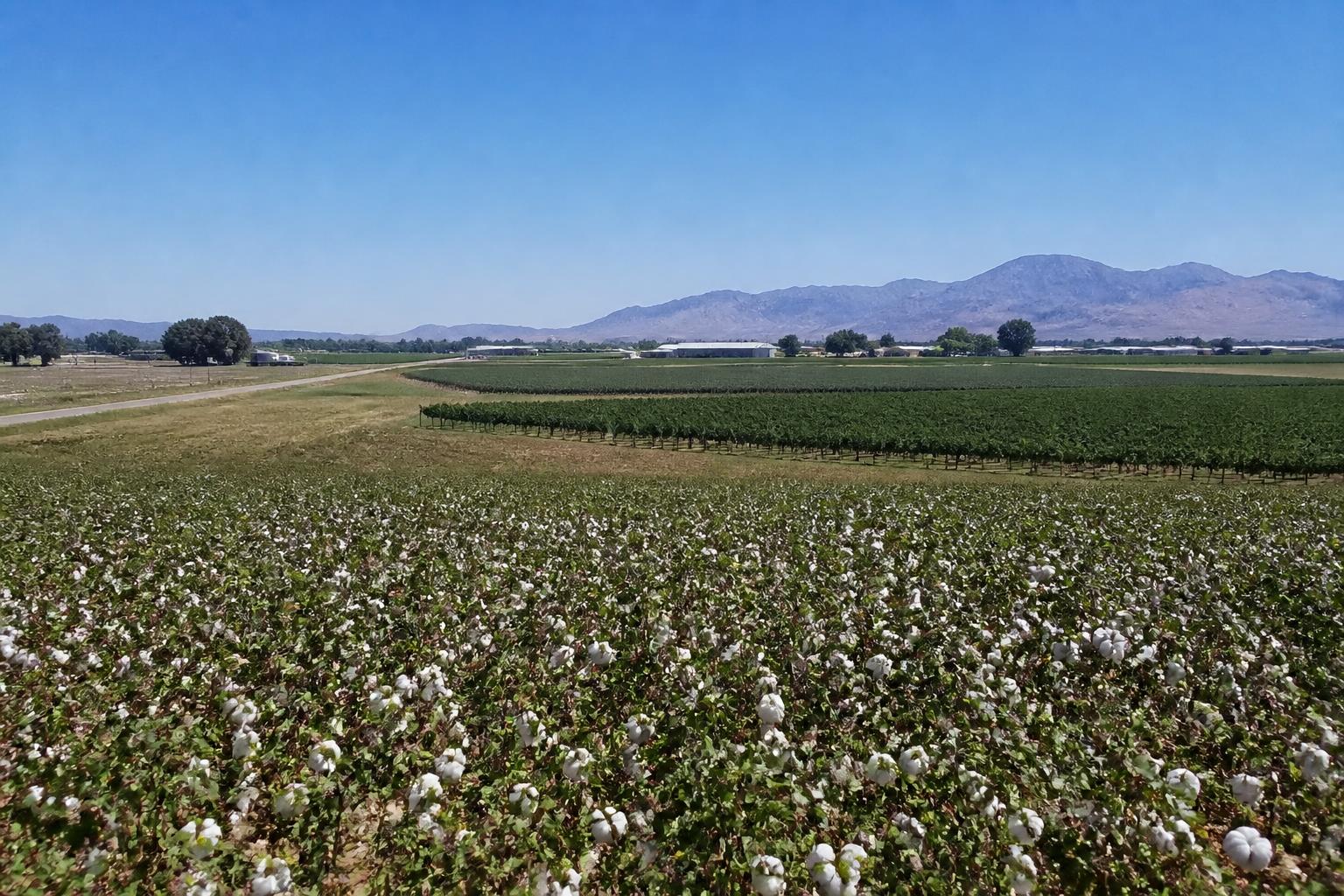
Summer heat is not the only force squeezing agricultural shippers in Arizona this season. As out-of-state investment and changing crop selections reshape the state's rural landscape, regional transportation networks are facing quiet but profound transformations. From the desert basins to high-elevation growing zones, agricultural shippers, carriers, and fleet operators are adjusting to new logistical realities as they coordinate the movement of machinery, inputs, and summer harvests.
Key transport corridors, particularly around the Interstate 40 and Interstate 10 highways, are experiencing shifting freight volumes. These changes are driven by a combination of fluctuating energy costs, global crude oil movements, and structural shifts in land ownership that turn specific rural valleys into logistics hubs for distant corporate operations.
The Rise of Desert Transfer Basins
In western Arizona, particularly within Mohave County, areas like the Hualapai Valley have increasingly functioned as regional agricultural transfer basins for out-of-state investment groups and large-scale corporate farming ventures. Rather than operating as traditional, locally integrated family farms, these vast tracts often serve as production centers where water, feed, and crops are extracted and immediately staged for long-distance transport.
For local freight carriers, this consolidation means a shift from highly fragmented, seasonal hauling contracts to highly concentrated, high-volume shipping corridors. Managing this high-volume logistics pressure requires specialized planning, especially when navigating desert shipping challenges that are aggravated by intense summer temperatures.
Crude Oil Volatility and the Cost of Desert Hauling
Logistics operators across Arizona remain highly sensitive to global energy markets. Because agriculture is heavily dependent on petroleum products, fluctuations in crude oil prices exert direct upward pressure on transport overhead. This volatility impacts carriers in several key ways:
- Diesel Fuel Surcharges: Rising crude prices translate directly to higher over-the-road transport rates, complicating contract negotiations between shippers and carriers.
- Equipment Maintenance: High ambient temperatures combined with long haul routes across dry valley terrains increase wear and tear on cooling systems, tires, and belts, raising operational overhead.
- On-Farm Input Delivery: The cost of transporting inputs like specialty fertilizers and soil amendments to remote desert operations rises in tandem with energy costs.
These combined pressures underscore the importance of fuel-efficient routing and preventive maintenance for trucking firms servicing desert agricultural corridors. Fleet managers are increasingly coordinating backhauls to ensure trucks do not run empty when returning from delivery runs in coastal or northern markets.
Highland Crops and Regional Bottlenecks
While low-desert regions focus on heat-tolerant crops and alfalfa, growers in Arizona's highland valleys are continuing to expand operations like wine grape production. These higher-elevation farms rely on precise, temperature-controlled logistics to transport delicate, high-value harvests without spoilage. Shippers working in these regions must balance the limitations of rural, winding roads with the strict refrigeration requirements of sensitive agricultural cargo.
At the same time, logistics hubs in Yuma and agricultural transport corridors near Phoenix are constantly adapting. Effectively managing summer ag transport demands means coordinating heavy-duty freight schedules around peak heat hours to prevent tire blowouts and engine overheating on sun-baked highway asphalt.
What it means for the market
For Arizona agribusinesses and logistics providers, the integration of corporate farming hubs and volatile fuel markets demands greater operational flexibility. Shippers who secure long-term contracts with regional carriers early in the summer season will be best positioned to insulate themselves from spot-rate volatility. Additionally, as water availability and investment patterns continue to concentrate production in specific desert valleys, transport companies must remain ready to pivot their fleets to where the volume is moving, optimizing routes to withstand both environmental heat and economic friction.
Comments
No comments yet - be the first to share your take.