
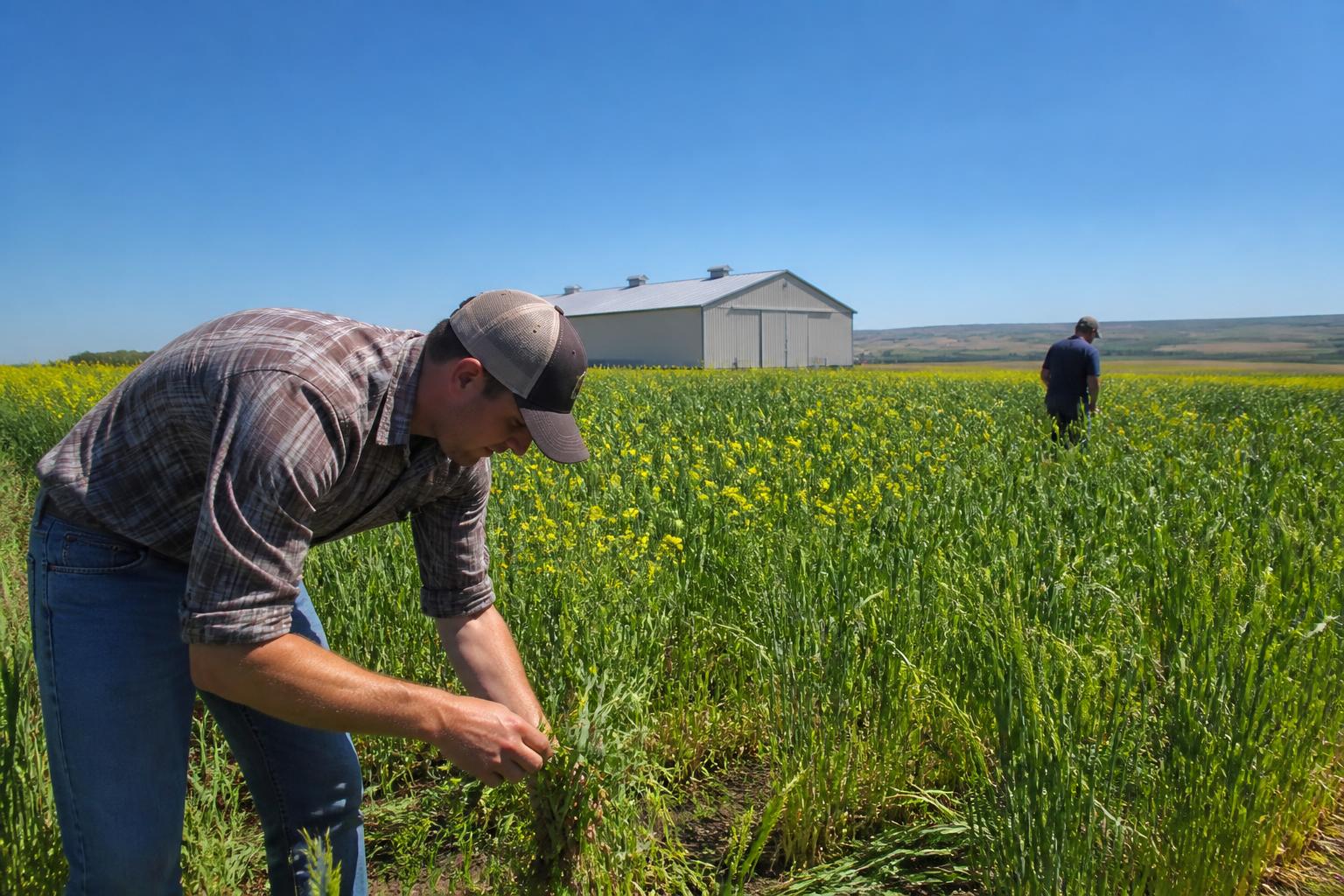
As the summer harvest cycle progresses, Idaho producers are seeing continued movement in the state's grain handling infrastructure. Recent expansion activities in Eastern Idaho suggest a focus on strengthening regional storage and logistics capabilities, which remains critical for farmers navigating seasonal throughput pressures during the peak Idaho agricultural landscape.
Infrastructure and Industry Shifts
The consolidation of grain facilities in Eastern Idaho, exemplified by recent corporate acquisitions, indicates that agribusinesses are actively positioning themselves to better serve the regional supply chain. For producers, these shifts may influence local basis levels and the efficiency of grain transport across high-traffic corridors. Keeping a close watch on how these grain buyers and market facilities adjust their intake operations can be vital for harvest-time planning.
Research and Innovation in Wheat
Beyond logistics, Idaho continues to be a hub for wheat-related innovation. Research into disease resistance and the development of new seed production facilities signal a long-term commitment to crop health and productivity. These developments are often essential for maintaining the competitive edge of Idaho's specialty and commodity grain crops, particularly as growers manage evolving market pressures and changing climatic conditions.
What it means for the market
For Idaho farmers, these infrastructure updates and advancements in seed production reflect a dynamic local market environment. While individual farms focus on the immediate tasks of the season, the broader trend points toward a more consolidated and technologically integrated grain sector. Producers should remain attentive to how these facility changes impact their specific local logistics and consider how upcoming crop advancements might influence their future input strategies.
Comments
No comments yet - be the first to share your take.