
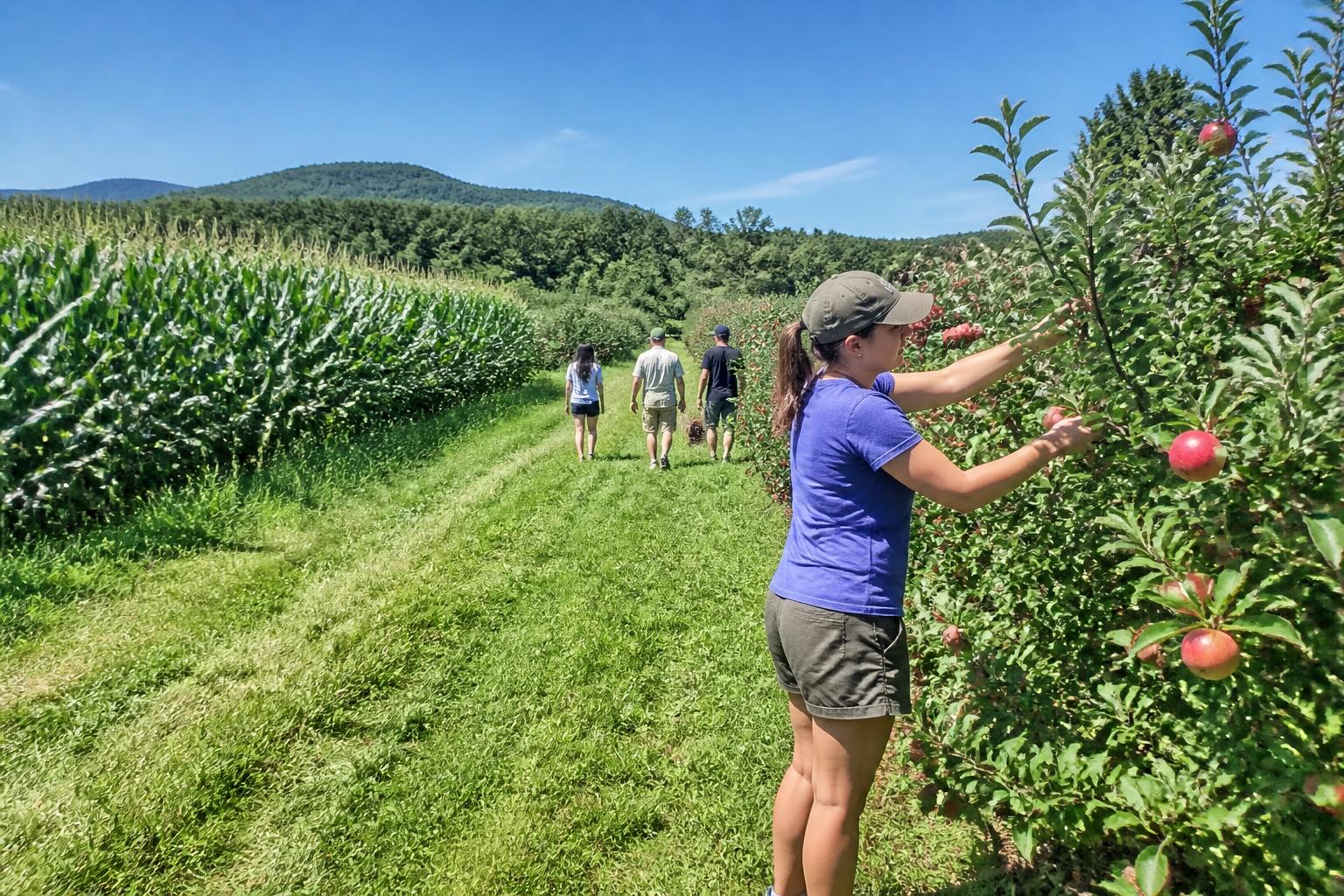
In the heart of New Hampshire, the landscape of agriculture is shifting as farmers and organizations increasingly turn to conservation easements to secure the future of local acreage. By protecting land from development, these initiatives are helping to stabilize the cost of operation for many producers in regions like Milford and beyond, offering a reliable path forward for those committed to keeping Granite State soils productive.
For grain handlers and local agribusinesses, these preservation trends mirror a broader interest in building resilient, regional supply chains. As farms transition or look toward long-term expansion, maintaining access to high-quality soil remains a top priority. When acreage is permanently protected, it often provides the security necessary for producers to invest in new equipment or adapt their feed and grain strategies to meet specific community needs.
Building Operational Stability
The push to keep land in agricultural use is frequently supported by regional funding and community efforts. Whether through high-tech crop defense systems or simple, robust land-use agreements, growers are balancing the need for modernization with the preservation of traditional farm footprints. This environment is particularly important for smaller operations that rely on efficient, optimized equipment management to keep costs competitive.
Integrating these practices allows New Hampshire producers to maintain a consistent output, even as regional demands fluctuate. As more operations secure their land tenure, it reduces the volatility that often impacts land rental markets, providing a clearer outlook for those who buy and sell local grain within the state.
What it means for the market
For the broader agricultural market in New Hampshire, the trend toward conservation is likely to sustain the long-term viability of local production. As producers secure their land base, they are better positioned to focus on operational efficiencies and market-driven crop selection. This stability is expected to foster a more predictable supply environment for regional grain users, ensuring that local acreage remains a cornerstone of the state's agricultural economy.
Comments
No comments yet - be the first to share your take.