
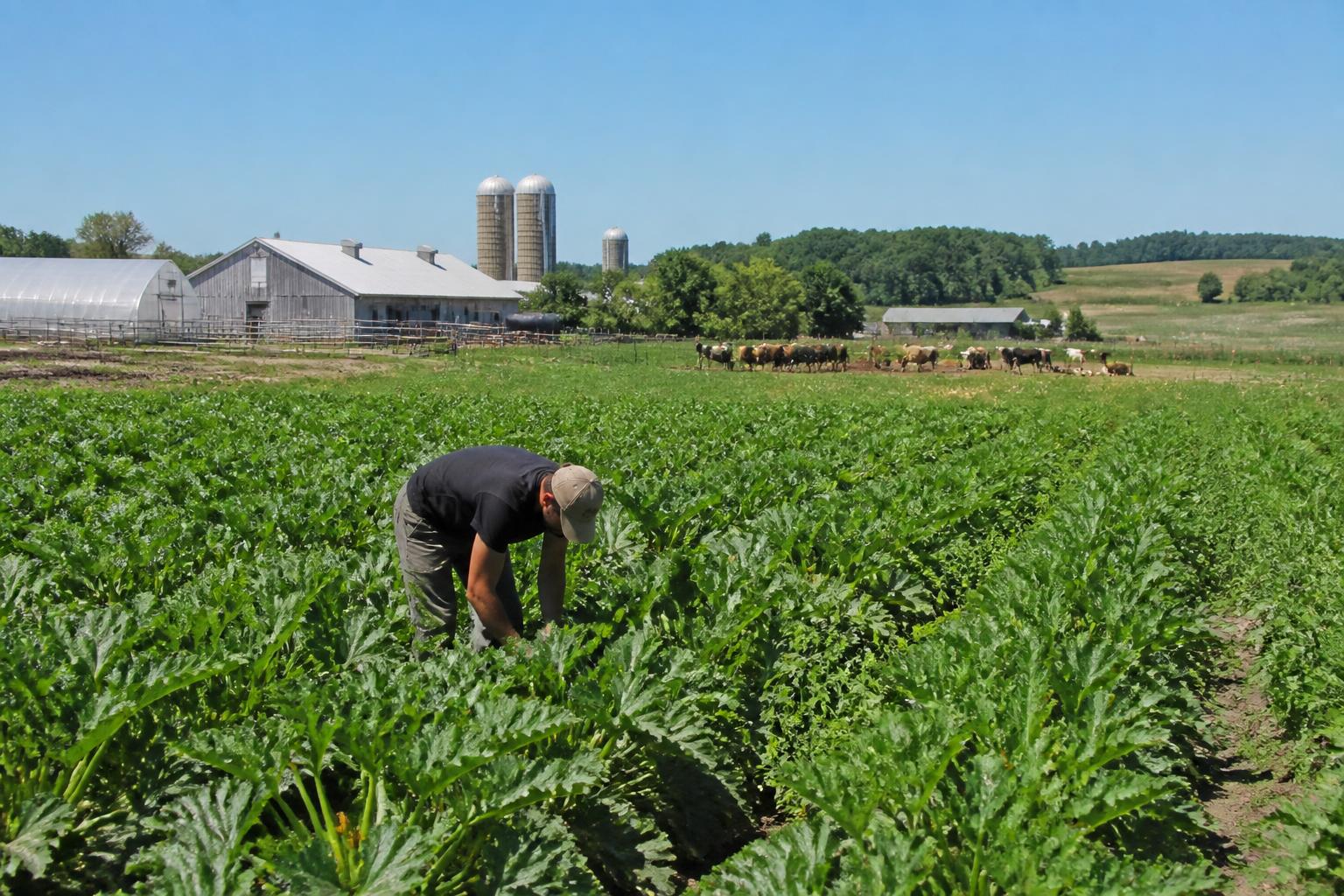
For Colorado farmers and ag-retailers, the current summer season brings a continued focus on balancing input costs with long-term yield potential. As commodity markets shift, fertilizer procurement has moved to the forefront of operational planning. Producers are increasingly looking toward optimizing nutrient management to maximize every dollar spent on inputs, especially as local conditions necessitate precise application strategies.
Input Cost Pressures and Strategic Procurement
Market dynamics in the fertilizer sector remain fluid. Whether dealing with nitrogen, phosphorus, or potassium, Colorado operations are adjusting their procurement timelines to hedge against price volatility. The ability to manage nutrient delivery effectively—particularly in the context of adapting to rising costs and shifting climate patterns—is becoming a cornerstone of sustainable farm management across the Front Range and the Eastern Plains.
Investing in Long-Term Soil Health
Beyond immediate price concerns, many producers are exploring infrastructure and management practices that reduce dependency on expensive synthetic inputs. Innovations in manure digesters and specialized application technology allow some operations to capture value from organic waste streams. By focusing on site-specific nutrient requirements rather than blanket applications, Colorado growers are finding ways to stretch their inputs further, protecting their margins even when commodity prices experience fluctuations.
What it means for the market
For the remainder of the growing season, the focus for Colorado agribusinesses will be on logistical precision and proactive financial planning. As the industry faces pressures from both rising labor costs and fluctuating input prices, the most successful operations are likely to be those that leverage data-driven nutrient plans and maintain flexible supply chain relationships to navigate the uncertainties of the current agricultural climate.
Comments
No comments yet - be the first to share your take.