
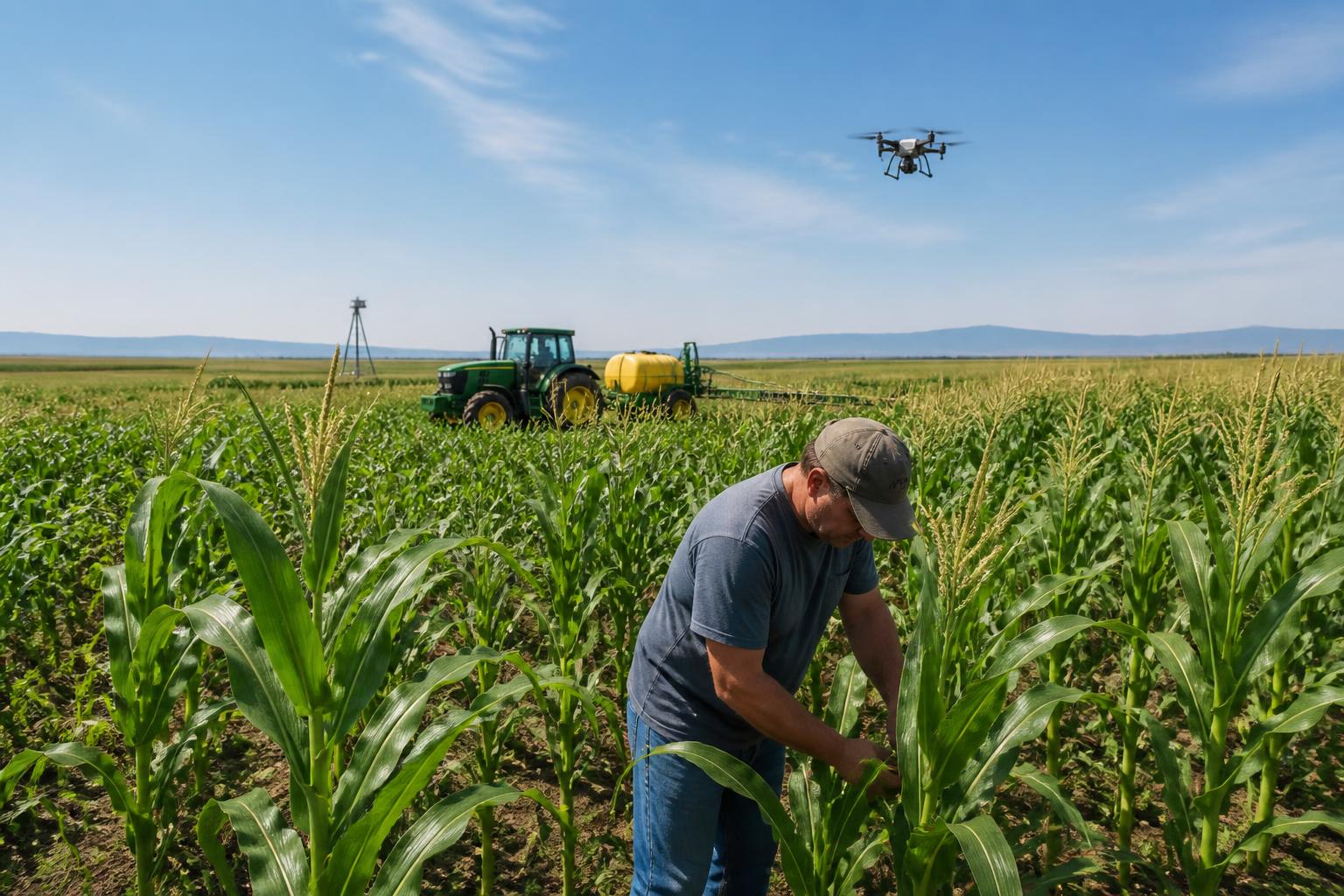
Colorado grain growers are navigating a highly complex summer on the High Plains. Driven by a combination of historical weather anomalies, including some of the warmest winter temperatures on record followed by erratic spring and summer weather, the state's agricultural landscape is rapidly shifting. Producers are forced to balance traditional crop management with the harsh economic realities of tight margins and rising operational overhead.
As the summer harvest gets underway, grain handlers, elevator operators, and agribusinesses across Colorado are adjusting their expectations. The combination of environmental stress and high production costs is driving a critical conversation about long-term resilience, conservation-minded soil practices, and crop diversification.
The Wheat Deficit and High Plains Climate Pressures
Dryland winter wheat, traditionally a staple of Eastern Colorado's agricultural economy, has faced severe climate headwinds this season. Following a winter that broke warmth records across the region, crops lacked the protective snow cover and moisture needed to establish strong root systems. Compounded by erratic precipitation and severe localized hail storms, many growers are facing exceptionally low yields.
In some eastern counties, farmers are bracing for one of the most challenging wheat harvests in decades, with yield projections drawing comparisons to the historically poor crop of 1965. These localized crop failures are forcing producers to rethink their marketing and storage strategies. Growers are carefully evaluating the Colorado summer grain outlook to weigh whether to store what little high-quality grain they harvest or sell immediately to meet pressing cash-flow needs.
Managing Skyrocketing Input Costs and Maintenance
Adding to the stress of weather-induced crop losses, Colorado farmers continue to struggle with high input costs. Prices for fuel and essential fertilizers remain elevated, squeezing margins to the limit. To cope, crop managers are focusing on precision application and soil health. Implementing advanced nutrient management plans has become essential, with a particular emphasis on optimizing fertilizer application in dry conditions to prevent waste and maximize every dollar spent.
Equipment maintenance is another major cost center under scrutiny. As part of a broader effort to lower operating expenses, Colorado has been at the forefront of the "right to repair" movement. Along with several other states, Colorado has considered and advanced legislation aimed at giving farmers the legal right and diagnostic tools to repair their own agricultural machinery. Being able to perform timely, in-house repairs without waiting for manufacturer-certified technicians could provide much-needed financial relief during the time-sensitive harvest season.
The Rise of Craft Grains and Resilient Alternatives
In response to volatile commodity prices and recurring drought, some Colorado agriculturalists are shifting focus from mass-market commodities to specialized craft grains. This transition is opening new doors in value-added local supply chains, catering to regional food brands, artisanal bakers, and beverage makers.
One notable development is the growing interest in Kernza, a perennial grain known for its deep root systems, soil-stabilizing properties, and low water requirements. Because it does not need to be replanted every year, Kernza helps conserve soil moisture and significantly reduces fuel and labor costs. Colorado craft brewers and distillers are increasingly sourcing this climate-friendly grain, creating a premium niche market that bypasses traditional commodity price fluctuations. For buyers interested in sourcing these and other regional crops, digital marketplaces offer a streamlined way to buy grain in Colorado directly from local growers.
Key Takeaways for Colorado Producers
- Focus on Efficiency: Soil testing and variable-rate fertilizer application are critical to managing high input costs during dry summer cycles.
- Explore Specialization: Transitioning a portion of acreage to drought-tolerant perennial grains like Kernza or specialty craft varieties can open higher-margin local market avenues.
- Leverage Repair Rights: Keep abreast of state-level right-to-repair developments to reduce equipment downtime and maintenance overhead.
What it means for the market
The Colorado grain market is undergoing a structural transition. While traditional dryland wheat volumes may remain restricted due to cumulative weather damage, the rising adoption of alternative crops and a focus on cost-saving technologies are reshaping regional farm economics. Elevators and feed lots will likely see highly variable grain quality this summer, making flexible sourcing strategies and close collaboration with local growers essential for navigating the months ahead.
Comments
No comments yet - be the first to share your take.