
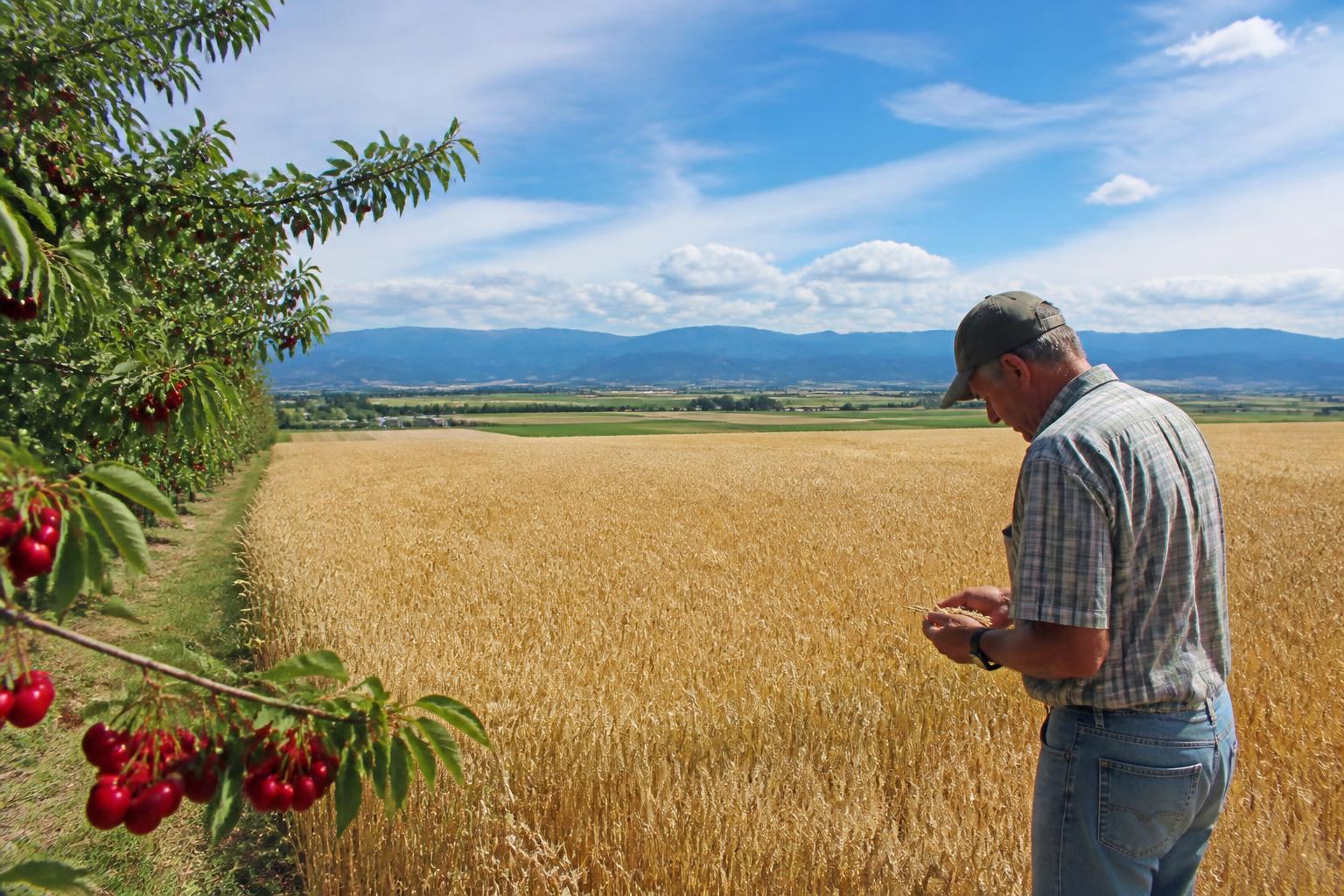
Mid-summer is a critical period for Montana agricultural operations, where the focus shifts toward balancing efficient harvest logistics with the realities of current commodity pricing. For many producers, navigating the present market requires a disciplined approach to managing storage and timing transport, as local elevators and rail networks begin to see the seasonal uptick in activity.
Maintaining an efficient supply chain remains paramount when margins are tight. The ability to coordinate local trucking with primary rail corridors is often the difference between timely delivery and costly storage bottlenecks. As operators prepare for peak volumes, prioritizing infrastructure reliability and monitoring regional transit updates can help mitigate potential delays common in the high-traffic summer months.
Managing Market Volatility and Logistics
Producers are currently evaluating strategies to maintain profitability as market conditions fluctuate. In regions where grain handling capacity is being optimized, the focus has turned toward streamlining the transition from field to terminal. Developing robust coordination between rail and road networks remains a foundational element for agribusinesses aiming to capitalize on shifting market conditions this summer.
Operational Resilience in the Field
Beyond logistics, Montana farmers continue to adapt their management practices to address evolving environmental and economic pressures. Increased investment in research and monitoring technology, such as new climate stations, assists in making data-driven decisions regarding field applications and harvest timing. By staying informed on both local infrastructure performance and broader sector trends, agribusinesses can better prepare for the logistical challenges that often accompany a high-yield season.
What it means for the market: For grain handlers and transport providers, the current climate necessitates a focus on efficiency. With slim margins, operational precision in scheduling, loading, and transit management is not just a logistical goal but a financial necessity. Aligning regional logistics with anticipated harvest output is essential for maintaining market participation and safeguarding against avoidable bottlenecks.
Comments
No comments yet - be the first to share your take.