
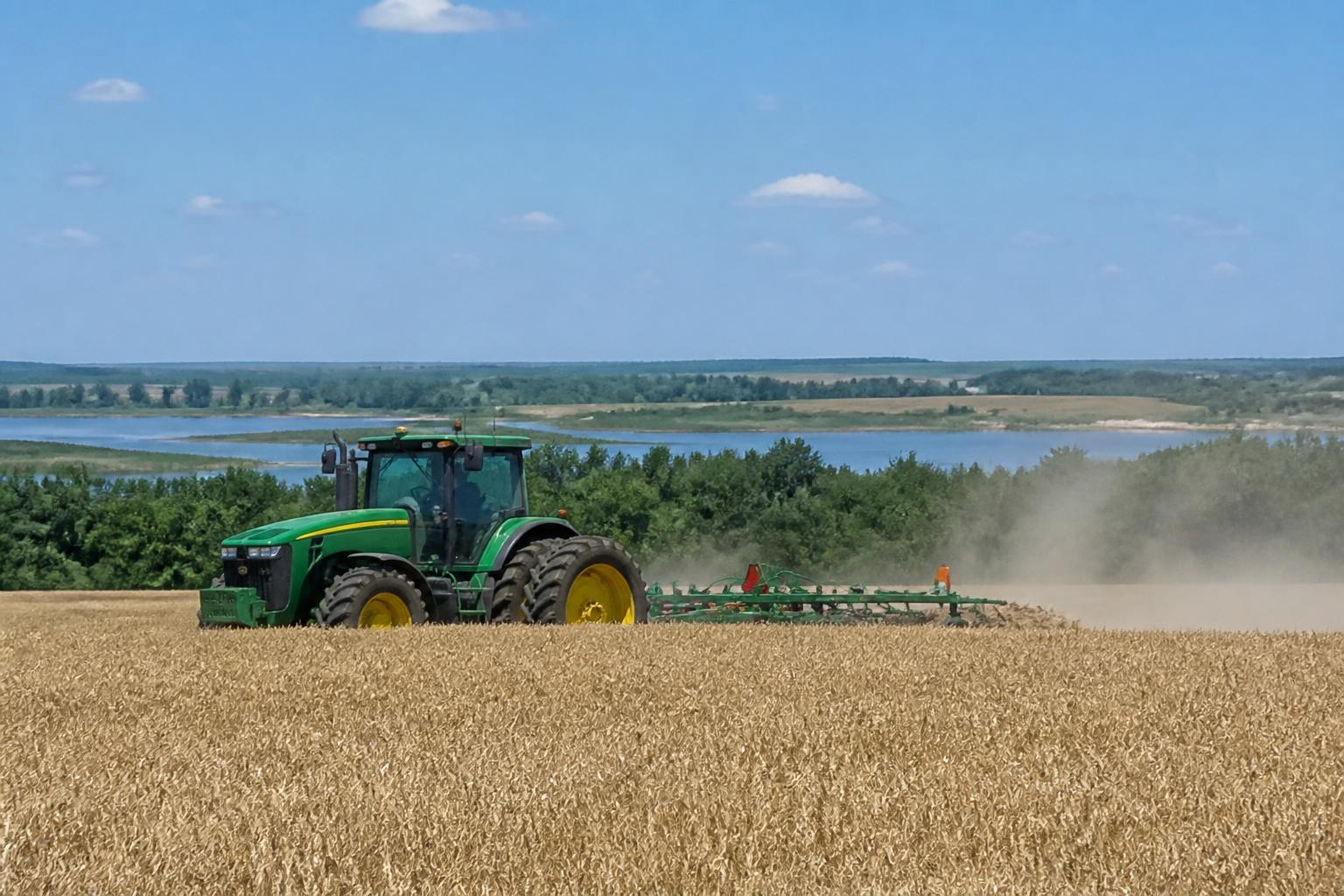
In the heart of the growing season, Delaware farmers are balancing the immediate demands of crop maintenance with the persistent volatility in the fertilizer sector. With mid-summer field work in full swing across the Delmarva Peninsula, producers are monitoring input costs as recent global market data indicates a broad upward trend in nutrient pricing.
For many local operations, the current environment necessitates a rigorous approach to nutrient efficiency. Managing soil fertility in a cycle defined by unpredictable global trade dynamics and shifting logistics requires a proactive strategy. Understanding how local soil management can mitigate cost spikes remains a priority for agribusinesses across Kent and Sussex counties.
Input Cost Pressures and Strategic Outlook
The fertilizer market remains sensitive to external factors, ranging from logistical bottlenecks to broader corporate equity shifts within the industry. As producers navigate these cyclical swings, the emphasis has moved toward optimizing application timing to avoid waste. This precision is essential not only for maintaining profitability but also for supporting sustainable stewardship as state agencies continue to refine regional production goals and environmental standards.
Managing Risks in a Tightened Market
Beyond the cost per ton, farmers are keeping an eye on the connectivity between international trade corridors and local availability. Even as larger firms engage in financial restructuring to weather broader agricultural downturns, Delaware elevators and suppliers are focused on ensuring that essential inputs reach the field when needed. Balancing these logistical constraints with the current crop progress is vital for those looking to secure margins in a high-input environment.
What it means for the market
Producers should expect continued price sensitivity throughout the remainder of the summer. As nitrogen, phosphate, and potash costs show upward movement, prioritizing nutrient application based on real-time field data is the most effective defense against margin erosion. Agribusinesses should maintain close communication with suppliers to secure necessary volumes while keeping a conservative outlook on long-term capital investments until volatility stabilizes.
Comments
No comments yet - be the first to share your take.