
Mid-summer operations across Nevada continue to highlight the critical intersection of infrastructure reliability and input availability. For farmers and agribusinesses operating in this high-desert environment, managing logistics remains a top priority as the sector balances local operational needs with the reality of broader, often volatile, global supply chains.
Infrastructure developments, such as ongoing discussions surrounding state transportation corridors like Interstate 11, remain points of interest for those moving bulk agricultural goods. Reliable transit routes are essential for ensuring that necessary inputs reach remote farm operations on time, especially when seasonal demand peaks. Enhancing regional logistics efficiency can often help mitigate some of the uncertainties associated with long-distance freight and cross-state transport.
Building Resilient Input Strategies
The stability of the domestic supply chain for essential inputs, including organic phosphate and other fertilizers, continues to be a central theme for producers. While geopolitical tensions and global trade dynamics can impact market accessibility, many Nevada agricultural operations are increasingly prioritizing domestic sources to help insulate their businesses from international market disruptions. This shift toward localized supply chains is mirrored in the ongoing interest in domestic mineral developments, which aim to provide a more predictable foundation for regional agricultural productivity.
Technology and Operational Efficiency
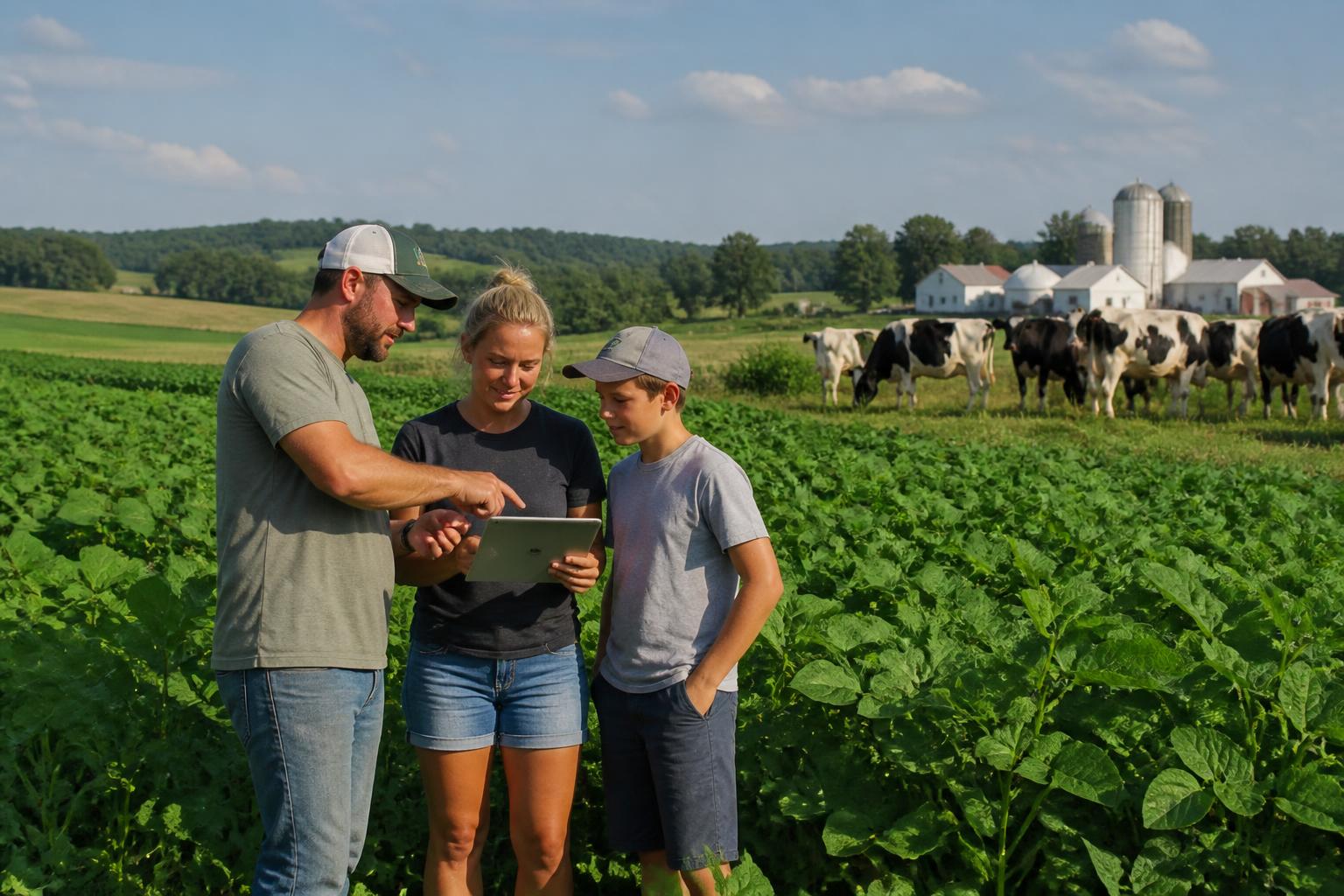
Beyond logistics, producers are increasingly turning to advanced management tools to optimize their operations under water-constrained conditions. The adoption of smart farming technologies and precision-based solutions may provide significant leverage for growers seeking to maximize yield while minimizing waste. As the industry moves toward 2034 and beyond, the integration of data-driven tools is expected to become standard practice for high-efficiency farming across the Great Basin, helping to navigate the technical challenges unique to Nevada agriculture.
Key Takeaways
- Producers are focusing on domestic sourcing for fertilizer to reduce dependency on volatile international markets.
- Regional transportation planning, particularly along major interstate corridors, is vital for the reliable delivery of agricultural inputs.
- Digital tools and smart farming technologies are becoming essential for operational efficiency in the state's resource-constrained environment.
What it means for the market
For the Nevada agricultural community, the current market climate underscores the value of adaptability. By aligning with reliable domestic suppliers and leveraging infrastructure improvements, farmers can better manage the risks posed by global supply volatility. Those who invest in logistical planning and precision technologies are likely to find themselves in a stronger position to withstand seasonal demand pressures and sustain operations throughout the year.
Comments
No comments yet - be the first to share your take.