
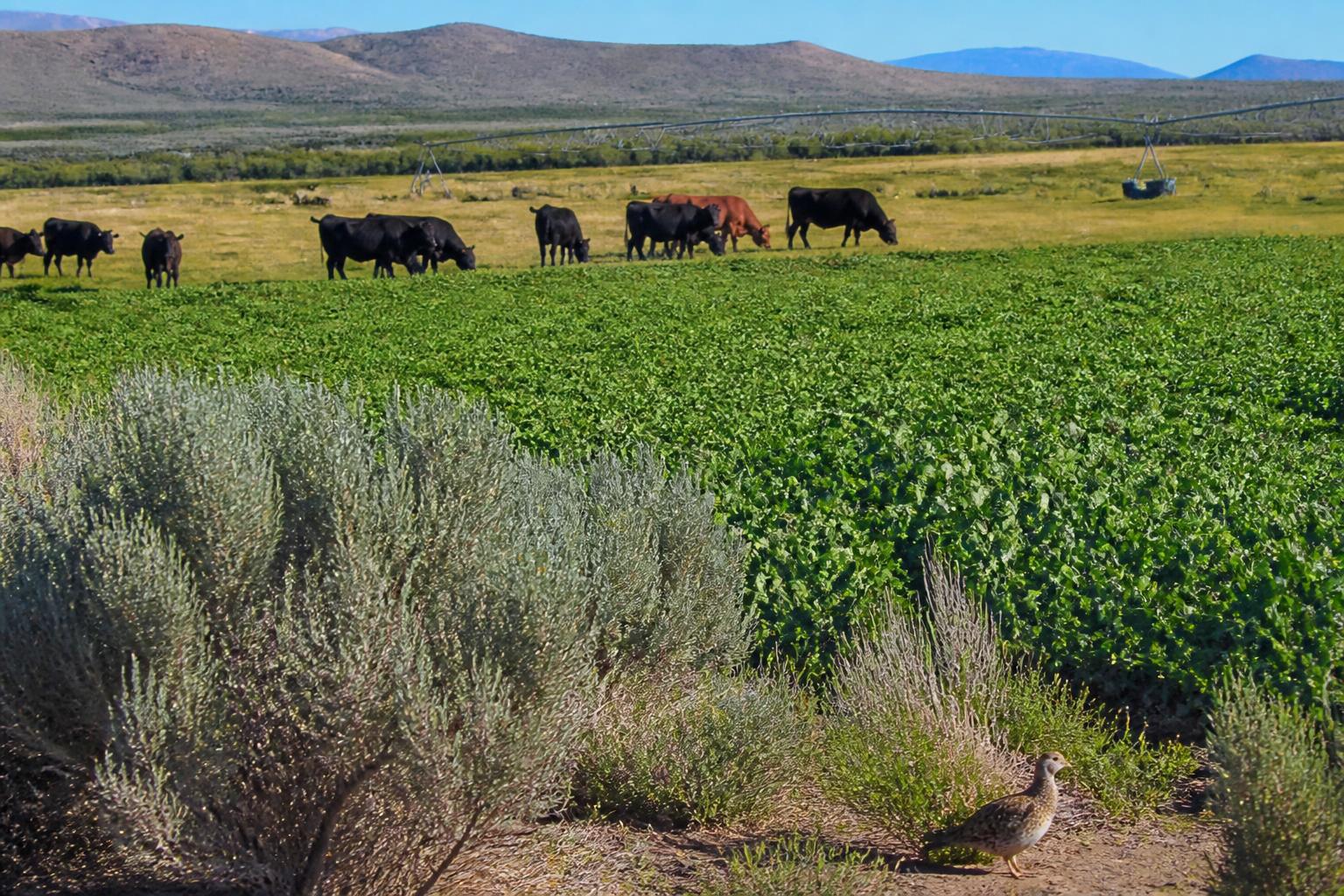
As Western growers navigate the high-desert heat of summer, securing reliable and cost-effective crop nutrients remains a top priority. In Nevada, where soil conditions demand precise nutrient management, the focus is increasingly shifting toward localizing the agricultural supply chain. A major development in this shift is the exploration of domestic organic phosphate deposits within the state, which could significantly alter the fertilizer landscape for both regional and national producers.
With global supply chains prone to disruption and shipping costs fluctuating, the development of domestic fertilizer resources offers a stabilizing alternative. Nevada is emerging as a critical player in this arena, leveraging its mineral-rich geology to establish a domestic supply of organic phosphate, reducing reliance on imported raw materials.
The Push for Domestic Organic Phosphate
The United States has long relied on foreign sources for high-grade rock phosphate, which is essential for both conventional and organic fertilizer manufacturing. However, local initiatives are working to change this dynamic by tapping into domestic deposits. Specifically, projects focused on Nevada's organic phosphate resources are targeting critical mineral opportunities to supply the rapidly growing organic agriculture sector with a high-purity, direct-application rock phosphate.
For Nevada farmers, having a local source of organic phosphate can mitigate the risks associated with long-distance logistics. This trend aligns with broader efforts where grain producers adapt to summer heat with resilient crops and local inputs to optimize their operations. Localizing these key resources ensures that growers can access nutrients when they need them most, without the overhead of cross-border freight.
Aligning with Soil Needs and Organic Standards
Western soils, particularly in the arid basins of Nevada, often require tailored nutrient management to maintain productivity. Organic phosphate is highly valued because it releases nutrients slowly, minimizing runoff and improving long-term soil health. This makes it an ideal fit for producers focused on sustainable land management and those pursuing or maintaining organic status.
By integrating local, unprocessed phosphate sources, regional growers can streamline their certification processes. Utilizing these high-purity natural inputs is a crucial step for farms focused on securing organic certifications and biological controls to protect high-desert yields. As consumer demand for organically grown crops continues to rise, having a reliable, compliant, and domestic fertilizer source provides a distinct competitive advantage.
Logistics and Regional Supply Chain Benefits
The logistics of moving bulk fertilizer across the Western United States can be challenging, particularly during peak summer shipping seasons. Navigating transportation corridors in and out of Nevada requires careful planning. Aligning with domestic suppliers helps growers bypass the bottlenecks often associated with international ports and interstate transport hubs.
Staying informed about these regional grain logistics and input trends allows agribusinesses to time their purchases more strategically. A localized fertilizer market not only lowers transportation costs but also reduces the carbon footprint associated with hauling heavy raw materials from coastal ports to inland farms.
Key Takeaways for Nevada Growers
- Domestic Security: Nevada's organic phosphate developments target a critical mineral gap, reducing reliance on foreign imports.
- Soil Health: Direct-application rock phosphate offers a slow-release nutrient profile suited for high-desert soils.
- Logistical Savings: Shorter supply chains mean fewer transit bottlenecks and lower freight costs for Western agribusinesses.
- Certification Support: Pure, local organic inputs simplify compliance for organic grain and forage operations.
What it means for the market
The development of a domestic organic phosphate supply in Nevada represents a strategic pivot for Western agriculture. By securing local access to critical minerals, the regional industry becomes more resilient to global supply shocks. For fertilizer buyers, input distributors, and local growers, this trend points to more stable pricing and improved supply chain reliability as domestic projects move closer to commercial production.
Comments
No comments yet - be the first to share your take.