
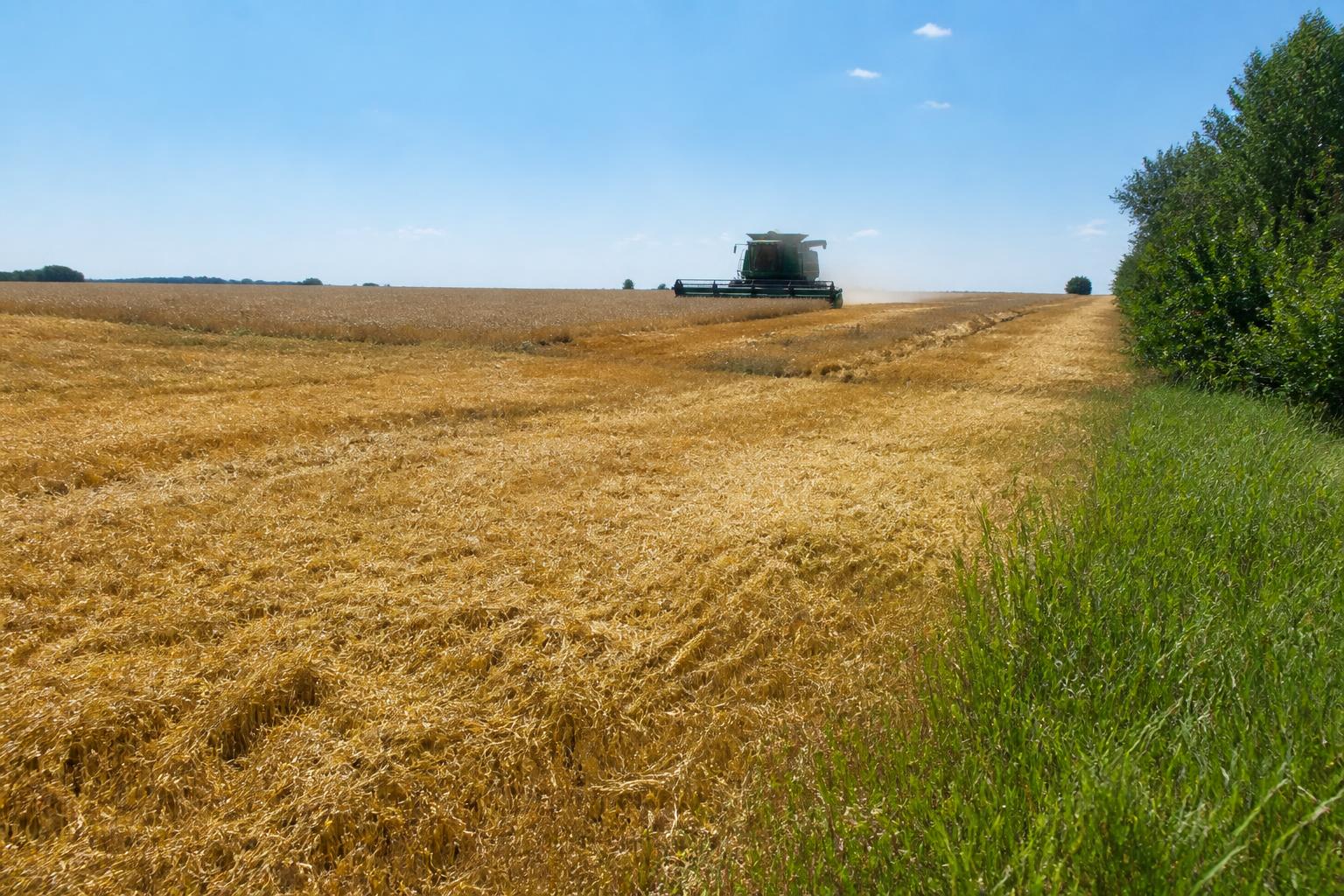
Mid-summer in Texas brings a unique set of operational challenges for the state's grain sector. With the heat of July in full swing, agricultural producers and transport providers are navigating a complex landscape defined by seasonal throughput demands and the broader influence of regional infrastructure capacity. For those managing grain elevators and movement, maintaining efficiency during this high-activity window remains a top priority.
Understanding local logistical bottlenecks is critical, especially when coordinating transport across key transit corridors. Operators in the Panhandle and the coastal plains often face distinct pressure points, ranging from equipment availability to timing considerations for regional storage. Staying informed about infrastructure and supply chain shifts is a vital step for any agribusiness looking to maintain consistent flow during these busy months.
Managing Seasonal Throughput and Input Factors
Beyond the immediate concerns of transport and storage, Texas grain handlers are keeping a close watch on broader input trends. While acreage for major field crops remains significant, the cost of inputs and the volatility of global market conditions continue to impact decision-making at the facility level. In many parts of the state, firms are adopting more flexible procurement strategies to hedge against potential disruptions.
Producers are encouraged to evaluate current storage capacity and transport lead times as harvest cycles progress. Regional connectivity, particularly between central storage hubs and export points, remains a recurring theme for stakeholders monitoring grain buyers, sellers and prices in Texas. Early planning can often mitigate the risk of seasonal congestion at local loading docks.
What it means for the market
For the Texas grain industry, the current environment demands a focus on logistical agility. By aligning regional storage strategies with real-time transit data and maintaining open communication with transport partners, stakeholders can better navigate the mid-summer squeeze. As market conditions remain fluid, maintaining a firm grasp on localized supply chain variables is the most effective approach to sustaining profitable operations through the remainder of the season.
Comments
No comments yet - be the first to share your take.