
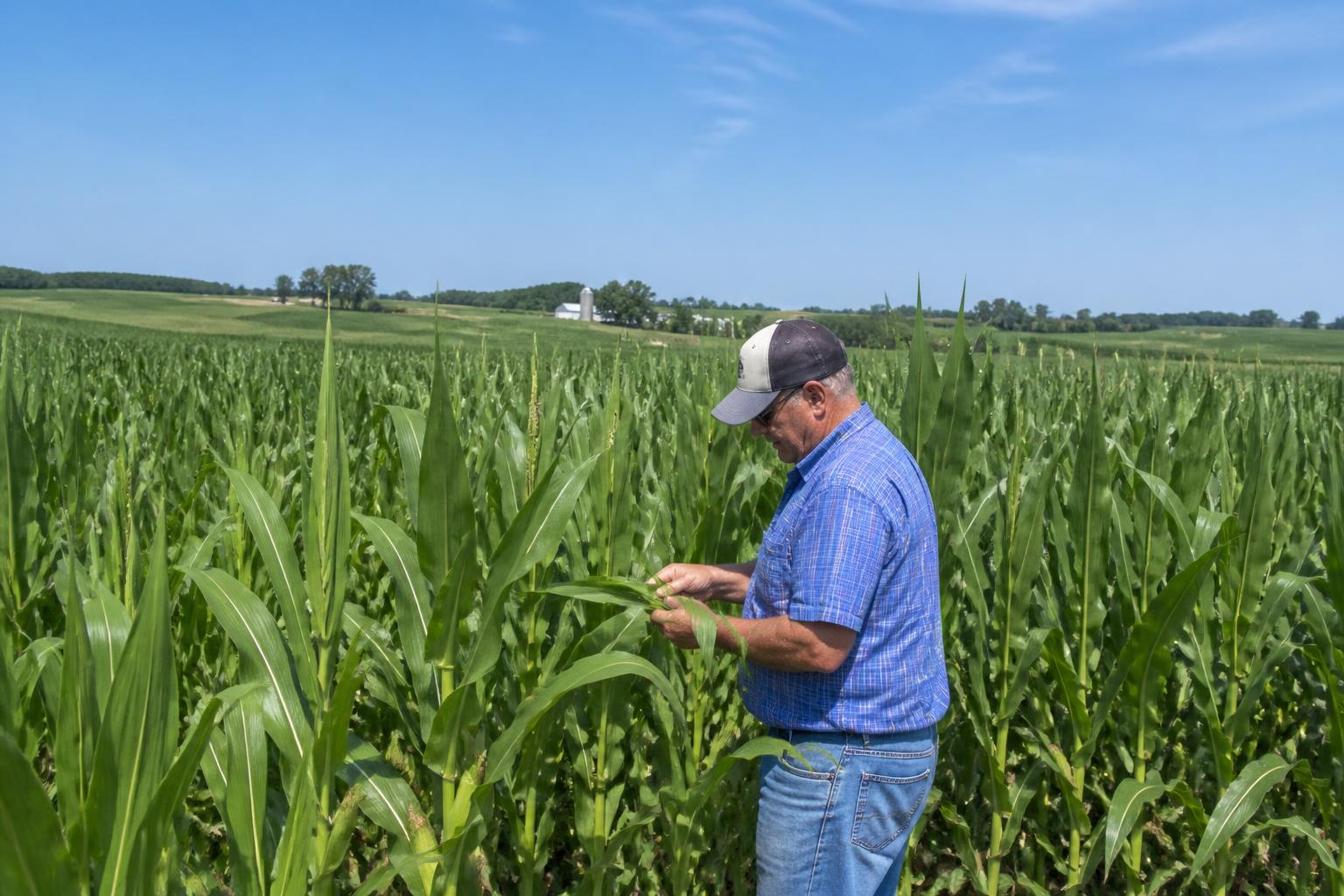
Mid-July finds Iowa corn and soybean fields in a critical growth stage, with growers across the state balancing routine field maintenance against a tightening economic environment. While recent seasons have brought high yields, many producers are expressing caution regarding profitability. As the summer progresses, the focus for grain handlers and farmers alike remains on managing input costs and navigating a market that appears increasingly wary of potential economic headwinds in the agricultural sector.
Efficiency in storage and movement remains paramount during the summer lull between planting and the fall harvest. For those managing inventory or looking at future grain marketing strategies in Iowa, understanding local basis contract nuances can be a vital tool when navigating the current sideways price environment. Keeping a close watch on storage capacity and local logistical bottlenecks is often recommended, especially as the state prepares for another cycle of potentially high-volume production.
Global Competition and Export Pressures
The broader market continues to monitor the shifting dynamics of global trade. Competitive pressures from South America remain a recurring theme, with infrastructure developments in Brazil potentially impacting the competitive edge of U.S. soybean exports. For Iowa agribusinesses, these global logistical shifts highlight the importance of maintaining efficient connections to export terminals. Strengthening the domestic supply chain and supporting initiatives that lower transport barriers remains a key conversation among regional industry stakeholders.
Input Management and Operational Resilience
Input costs, particularly regarding fertilizers, remain a focal point for long-term budget planning. Legislative discussions regarding the potential temporary suspension of phosphate fertilizer duties have drawn attention from producers looking for relief on input expenses. Meanwhile, on the field level, many Iowa farmers continue to prioritize conservation-focused strategies, which are increasingly seen as a way to enhance land productivity while potentially buffering against operational volatility.
What it means for the market: Iowa producers and handlers should prepare for a period of ongoing uncertainty. While field conditions largely dictate short-term sentiment, the underlying market pressure from international competition and input price sensitivity means that disciplined risk management—ranging from proactive grain marketing to careful resource allocation—will likely remain the standard for the remainder of the summer season.
Comments
No comments yet - be the first to share your take.