
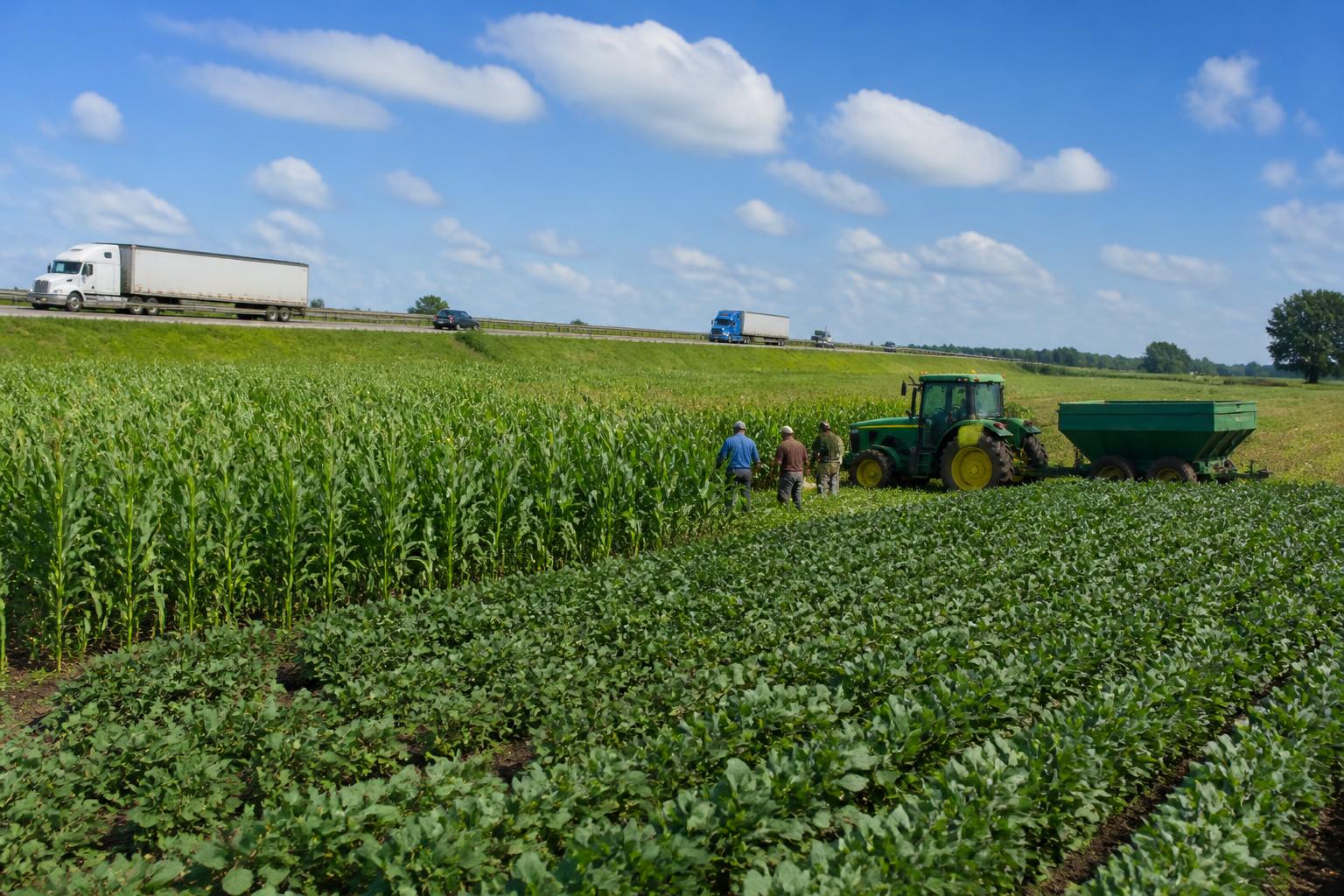
As the summer heat intensifies across the Illinois corn and soybean belts, producers and logistics providers are recalibrating their strategies to handle the persistent pressures of the supply chain. While recent interest in rail mergers aims to potentially streamline long-haul shipments and mitigate delays, many agribusinesses are finding that the immediate focus has shifted toward the rising cost of essential inputs, particularly fertilizer.
Input volatility remains a primary concern for operations across the state. Managing these costs often requires a more granular approach to logistics, where efficiency in transport becomes an extension of the broader financial management strategy. For growers, balancing these expenses against the backdrop of changing export landscapes and shifting market projections is increasingly critical for maintaining long-term stability.
The Intersection of Infrastructure and Margin
Infrastructure remains the backbone of the Illinois agricultural economy. From the heavy reliance on highway corridors that connect local elevators to major regional hubs, to the intermittent challenges facing waterborne logistics, producers are often tasked with navigating a complex transport network. Navigating these supply chain realities is no longer just a logistical necessity but a foundational part of managing tight operating margins during the peak of the season.
Operational Efficiency in the Field
Many Illinois farm families are looking toward operational innovation to cushion themselves against external economic shocks. Whether through the adoption of new precision technology or by carefully scrutinizing the costs of integrated trucking operations, there is a clear trend toward taking more direct control over the supply chain. While some farms choose to bring transportation in-house to gain better visibility, others continue to lean on reliable regional carriers to bridge the gap between field and market.
What it means for the market: The current market environment suggests that resilience is best achieved through proactive planning. For farmers and agribusinesses, the ability to pivot between transport modes and manage input procurement in tandem with logistical constraints will likely remain the defining factor in surviving this season’s margin squeeze.
Comments
No comments yet - be the first to share your take.