
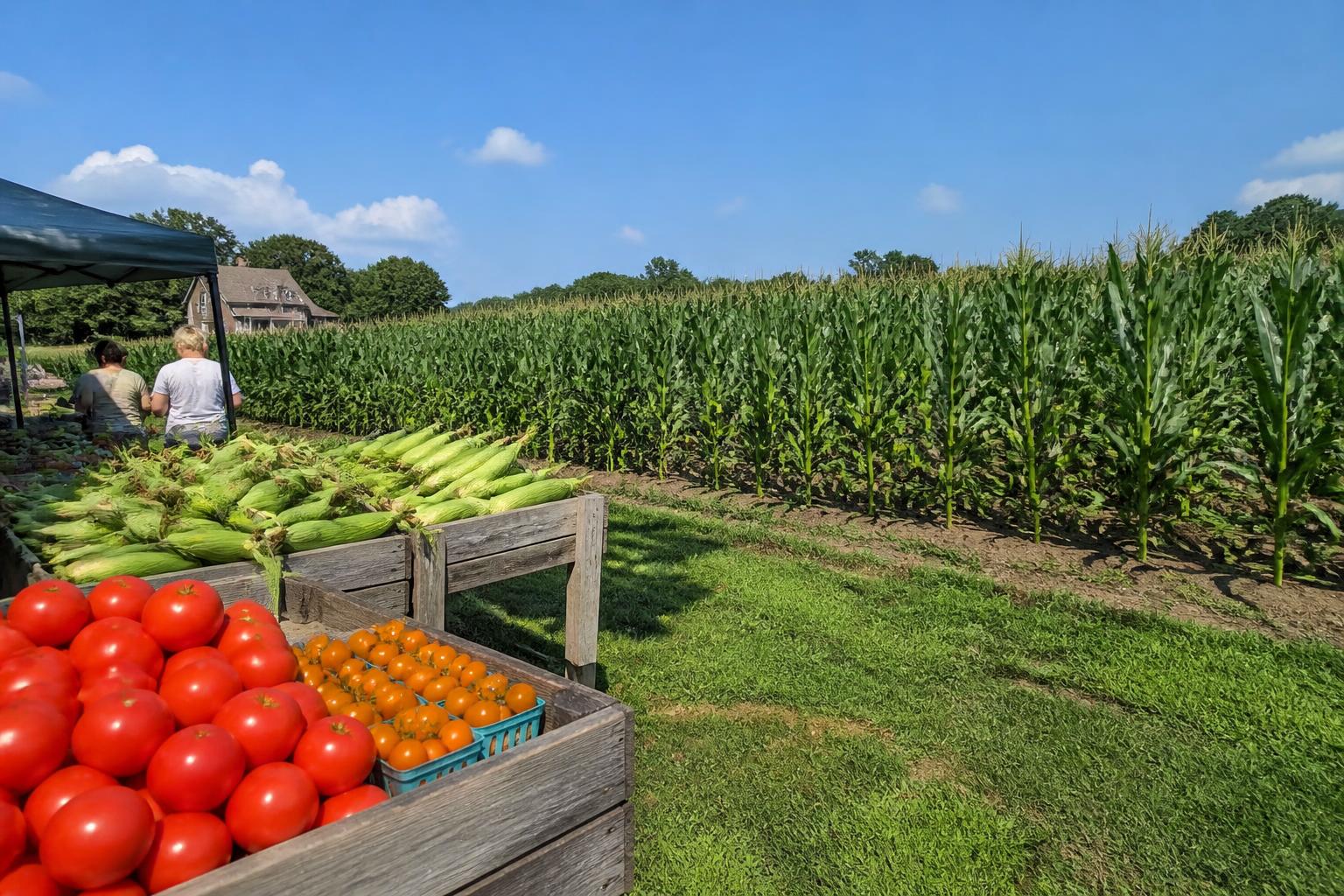
Mid-summer in New Jersey brings a distinct shift in focus for local agribusinesses and producers. While the state is widely recognized for its high-value specialty crops, the grain sector remains a critical component of the regional economy. As current conditions continue to influence field development, growers are keeping a close eye on weather patterns and the resulting impact on potential yields.
For those managing grain storage and distribution, this time of year often necessitates an early assessment of infrastructure readiness. Ensuring that handling facilities along major transit corridors are prepared for the upcoming harvest cycle is a priority for many regional cooperatives. Whether dealing with corn or other small grains, the ability to manage storage efficiency directly affects how local producers navigate market volatility.
Logistical Considerations for the Season
As the season progresses, logistical planning becomes paramount. With increased activity on New Jersey's state highways, grain handlers often emphasize the importance of early-season scheduling to avoid potential transport bottlenecks. Coordination between independent haulers and localized elevators can mitigate many of the typical delays associated with peak harvest transport.
Producers are also increasingly focusing on how local market dynamics influence their bottom line. Understanding the current grain buyers and market opportunities in New Jersey is essential for farm operators looking to secure reliable outlets for their commodities. Furthermore, regional efforts to maintain supply chain resilience remain a key discussion point for those involved in the broader agricultural framework.
Monitoring Crop Progress
As field work continues, growers are evaluating how seasonal variables affect the overall harvest outlook. While New Jersey agriculture is multifaceted, the resilience of traditional grain operations often provides a stable anchor for the state's diverse farming landscape. Maintaining a proactive approach to soil health and input management, as seen in many successful long-term farm management strategies, remains a staple of the industry.
Refining your approach to mid-summer grain logistics and yield assessment can provide a necessary competitive edge. Keeping documentation updated and staying informed on regional trends helps producers respond effectively to the nuances of the local market.
What it means for the market
For New Jersey farmers and agribusinesses, the current market climate underscores the importance of local preparation. While external factors often influence national commodity prices, the immediate focus for local operators remains on managing operational efficiency and securing logistical capacity. By staying attuned to regional demand and maintaining flexible storage and transport plans, stakeholders can better position themselves to navigate the complexities of the summer grain cycle.
Comments
No comments yet - be the first to share your take.