
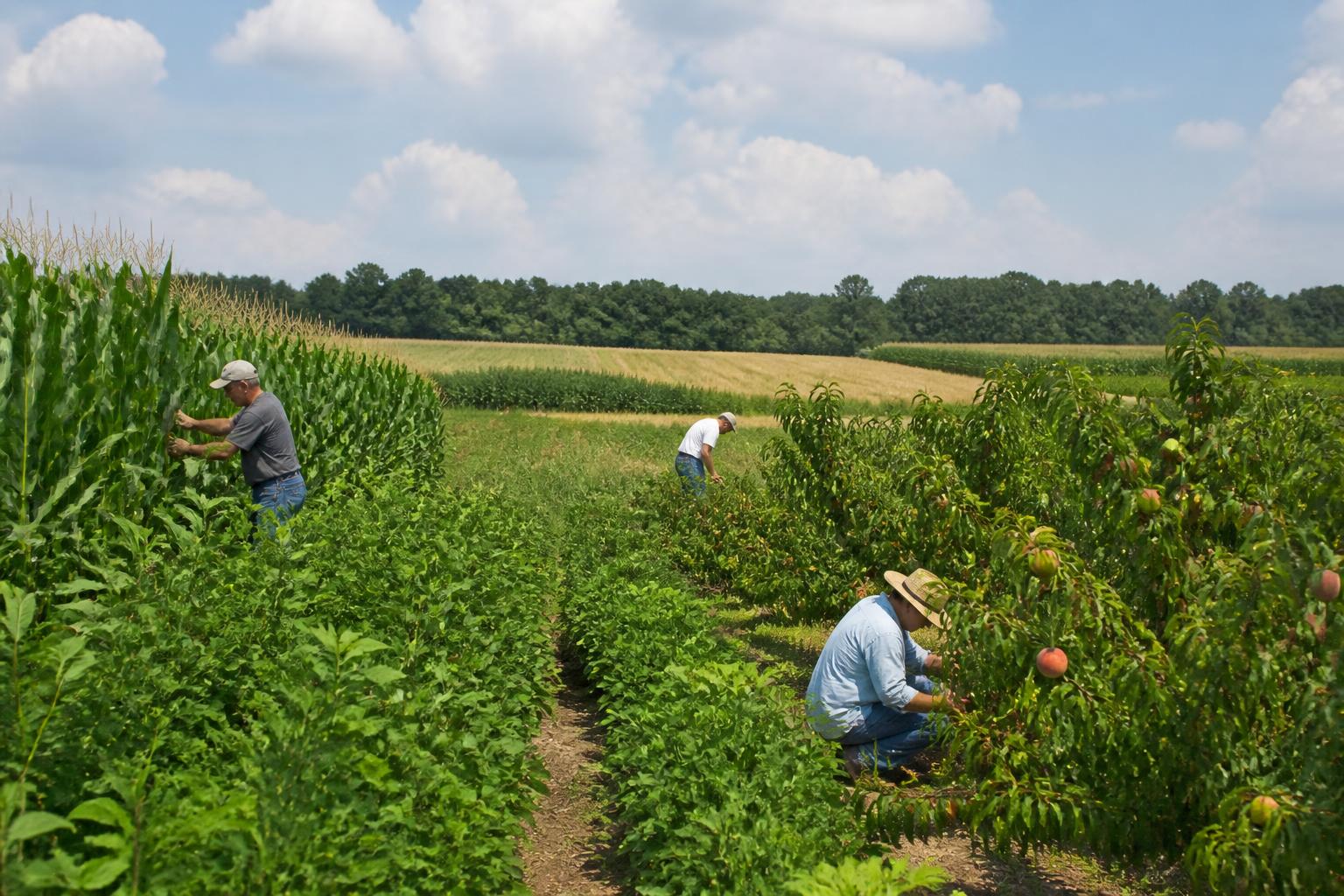
Mid-summer in South Carolina brings a focus on field maintenance and logistical preparation as producers across the state monitor their primary commodity crops. With current market conditions emphasizing efficient supply chain management, many regional growers are working closely with Clemson-based research to optimize corn production, which remains a cornerstone of the state's agricultural output.
For those managing grain movement through South Carolina, the focus is shifting toward assessing local capacity as harvest approaches. In some counties, the ability to manage input costs and fertilizer strategies has been a critical component of sustaining profitability this season. Growers continue to show interest in diversified cropping systems, with some exploring wheat and sorghum double-crop opportunities to mitigate risks against weather-related inconsistencies.
Infrastructure and Regulatory Updates
Producers should remain aware of shifting regulatory environments that impact day-to-day operations. Recent organizational changes at the state level, specifically the consolidation of food safety responsibilities under the South Carolina Department of Agriculture, underscore a renewed emphasis on streamlined oversight. For grain handlers and transport providers, staying informed on these departmental adjustments is essential for navigating the current regulatory climate.
Looking Ahead
While the focus remains on current crop health, the industry is closely watching broader logistical trends. As the state moves further into the summer heat, maintenance of regional grain storage and transport networks will be vital for a successful harvest season. Engaging with local cooperatives and extension services can provide the real-time data needed to adapt to localized conditions in regions like the Piedmont or the Coastal Plain.
What it means for the market: For grain buyers and carriers in South Carolina, the current environment demands a proactive approach to transport coordination and regional supply monitoring. As state departments consolidate duties, keeping communication lines open with local regulatory bodies and commodity groups will be key to ensuring smooth logistics throughout the upcoming harvest period.
Comments
No comments yet - be the first to share your take.