
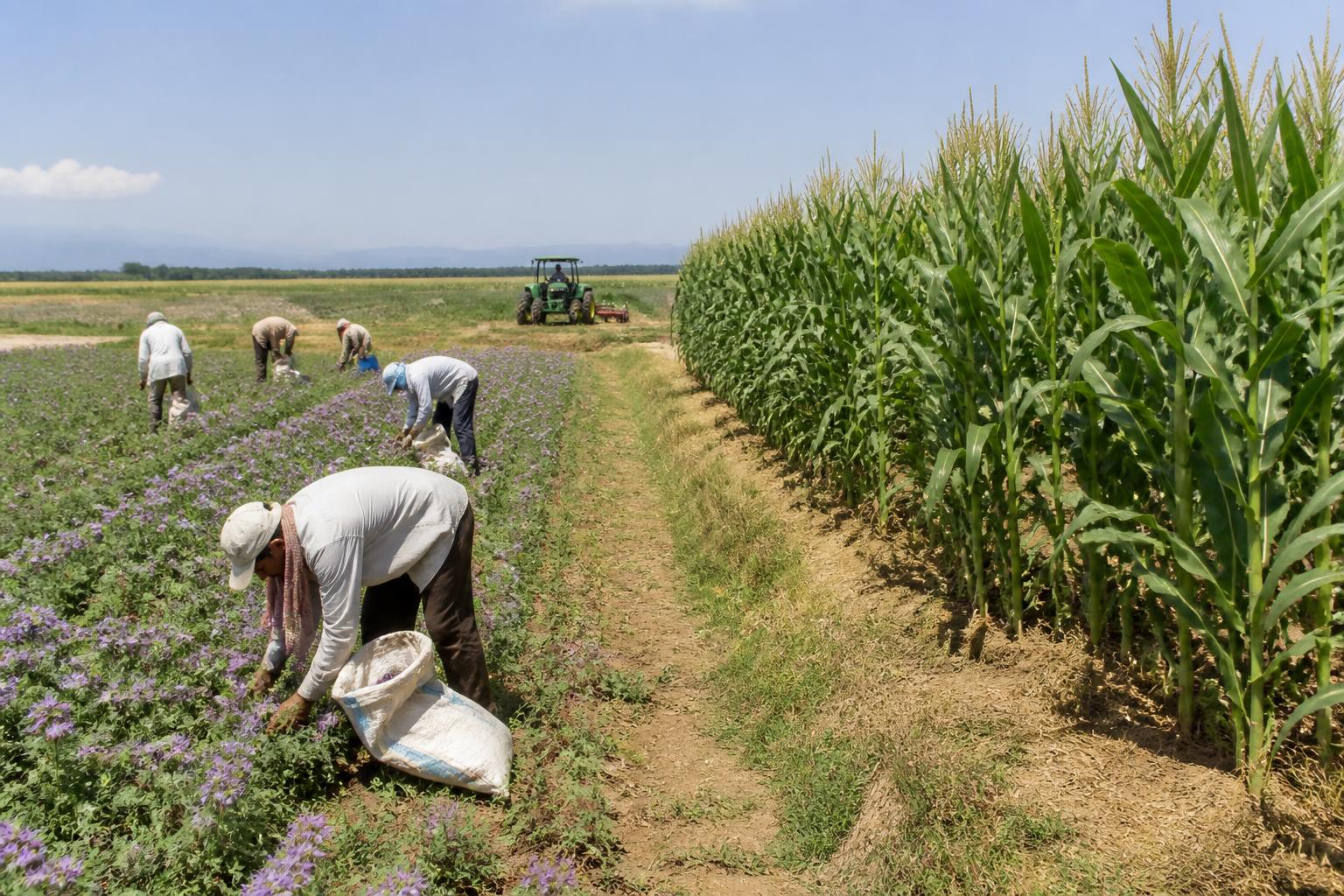
As we move through the heat of the New Mexico summer, producers across the state are operating within a complex market environment defined by both infrastructure development and international trade uncertainty. With ongoing reviews regarding cross-border agricultural trade under the USMCA framework, growers and grain handlers are keeping a close eye on how regulatory shifts may influence regional export dynamics.
For those managing large-scale operations in areas like the eastern plains, the pressure is compounded by projections for record-high input costs heading into the coming seasons. While some producers have successfully shifted toward more drought-resilient crop varieties, the broader economic outlook suggests that managing margins will remain the primary hurdle for the remainder of the year.
Infrastructure and Resource Management
Investment remains a key focus for local agribusiness, particularly with the New Mexico Department of Agriculture seeking input on how to best distribute federal infrastructure grants. For local elevators and logistics providers, these investments are crucial for improving operational efficiency in a state where arid conditions often dictate the pace of harvest and transport. You can learn more about how local conservation and crop protection strategies are currently meeting these tighter financial margins.
Trade and Market Volatility
International trade remains a significant factor, with the ongoing discourse surrounding GMO corn exports and general US-Mexico agricultural relations creating a ripple effect through the regional feed market. Producers in New Mexico are naturally sensitive to these developments, as proximity to the border makes trade fluidity essential for local supply chains. The market landscape is further complicated by lingering Farm Bill uncertainty, which continues to impact long-term planning for many in the state.
Adapting to Economic Realities
Whether navigating the decision to scale back on certain crops or exploring high-value alternatives like research into drought-resilient specialty crops, New Mexico producers are demonstrating a high degree of agility. By prioritizing infrastructure efficiency and staying informed on trade policy, the industry aims to offset the challenges posed by rising costs and unpredictable water availability.
What it means for the market: For New Mexico farmers and shippers, the current environment demands a cautious approach to input procurement and a firm grasp on logistical bottlenecks. While macro-level trade reviews and input cost spikes create immediate friction, targeted infrastructure improvements and a focus on regional resilience remain the most effective tools for sustaining profitability in the current summer season.
Comments
No comments yet - be the first to share your take.