
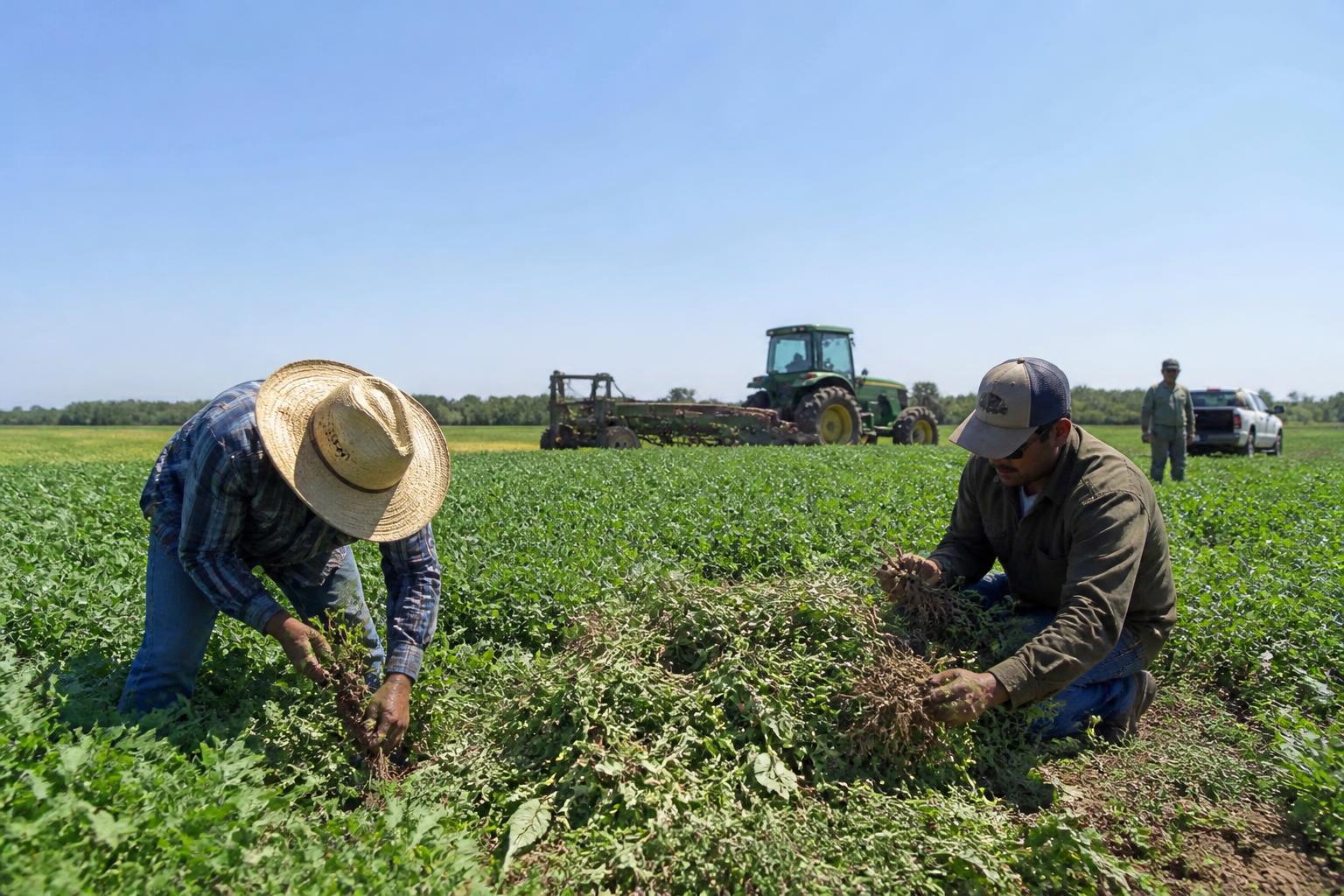
Summer heat is in full swing across New Mexico's eastern plains, but local grain producers and feed distributors are keeping a close eye on more than just the high temperatures. With international trade dynamics shifting and a record U.S. agricultural trade deficit casting a shadow over domestic markets, local agribusinesses must navigate a highly complex marketing landscape this season. At the same time, discussions surrounding safety net spending in the upcoming Farm Bill remain a major focal point for producers seeking long-term financial security.
For New Mexico's grain sector, which frequently services both domestic livestock operations and regional export channels, these macroeconomic pressures require highly strategic marketing decisions. As summer progresses, local growers are balancing crop progress with global feed-demand shifts and local logistics.
Navigating the Trade Deficit and Export Realities
The broader U.S. agricultural sector is grappling with a historic trade imbalance, marked by record imports and a challenging export market. Global trade friction, particularly involving key overseas buyers like China, continues to alter traditional grain flows. With major international buyers asserting that they can withstand reductions in U.S. grains and oilseeds, domestic commodity prices are feeling the pressure of restricted export pathways.
In New Mexico, where grain handlers often ship sorghum, wheat, and corn along major freight corridors like Interstate 40 and Interstate 25, these global shifts hit close to home. Elevators and cooperative managers are increasingly looking to local and regional feedlots, dairies, and poultry operations to absorb regional grain supplies. As domestic supply chains adjust, understanding localized market adjustments is crucial. For instance, New Mexico grain and feed markets adapt to summer trade shifts and water realities, emphasizing the need for flexible marketing plans that do not rely solely on volatile export channels.
Farm Bill Debates and the Producer Safety Net
As growers in counties like Curry, Roosevelt, and Quay manage their summer crops, policymakers in Washington are actively debating the future of agricultural safety nets. Senate panel discussions on the upcoming Farm Bill have highlighted deep divisions over safety net spending, crop insurance, and commodity support programs.
For New Mexico's dryland farmers, who manage production in a highly arid and volatile environment, robust safety net programs are vital. Crop insurance and price loss coverage serve as essential risk-management tools when weather anomalies or sudden market drops threaten farm solvency. Until a new Farm Bill is finalized, producers are left navigating a period of policy uncertainty that makes long-term capital investments more difficult to plan.
Livestock Concerns and Regional Demand Shifts
The health of New Mexico's grain market is deeply tied to the regional livestock sector, which serves as the primary consumer of local feed grains. Recently, the livestock industry has faced heightened alarms due to confirmed cases of New World screwworm in the region. Livestock pests and health concerns can disrupt herd sizes and animal movement, directly influencing local feed demand.
Additionally, some parts of the state are exploring long-term crop diversification. Researchers at New Mexico State University have been studying alternative, high-value crops like strawberries for northern regions of the state. While these efforts do not replace large-scale grain production, they highlight a growing regional interest in water-efficient and alternative agricultural ventures to offset the risks associated with traditional commodity markets.
Key Takeaways for New Mexico Producers
- Focus on Regional Demand: With international grain exports constrained by trade disputes, focus on local livestock feed contracts and regional dairies to secure stable marketing channels.
- Monitor Farm Bill Updates: Stay informed on congressional debates regarding safety net spending, as changes to crop insurance could impact risk-management strategies for the coming seasons.
- Assess Local Health Risks: Keep an eye on regional livestock health developments, such as screwworm containment, which can alter local feed demand and logistics.
What it means for the market
The New Mexico grain market this summer is defined by a transition toward local resilience. While global trade barriers and a record national agricultural trade deficit present clear challenges, they also highlight the importance of the regional Southwest feed market. Producers who focus on tight risk management, utilize existing safety net programs, and align their sales with local feedlot and dairy demand will be best positioned to weather the current period of international trade and domestic policy uncertainty.
Comments
No comments yet - be the first to share your take.