
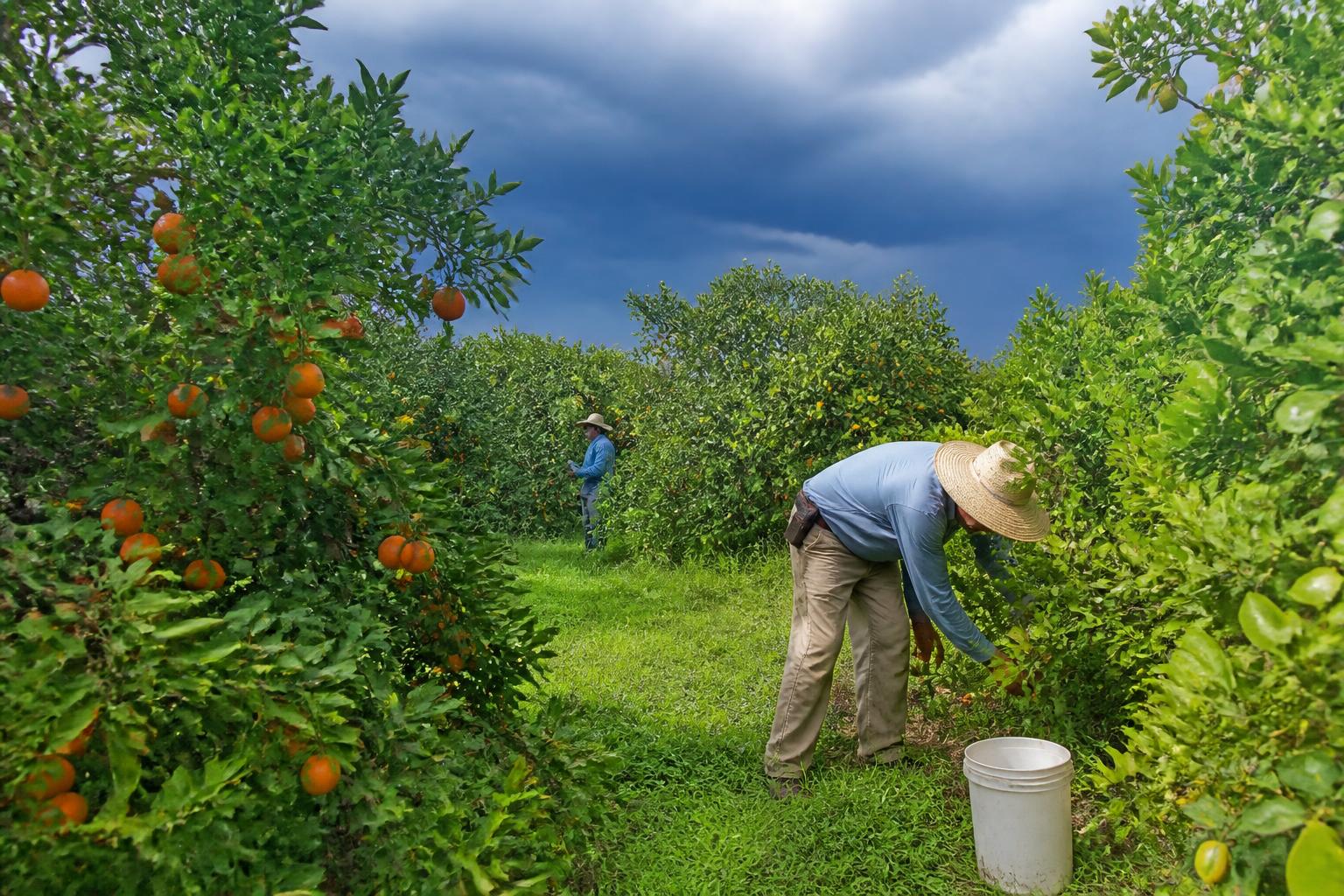
Mid-summer in Florida brings a complex set of challenges for the state's diverse agricultural landscape. From the citrus groves of the central ridge to the specialty crop farms in southern counties, producers are navigating a market defined by both environmental uncertainty and the need for logistical efficiency. As the industry looks toward the coming cycles, stabilizing input costs remain a central point of discussion for those managing everything from traditional row crops to specialized orchard operations.
Managing Input Costs and Market Logistics
With ongoing discussions surrounding fertilizer pricing and its impact on margins, many Florida operators are looking for ways to streamline their supply chains. Efficiency in the movement of goods is critical, particularly as the state's transport corridors manage the seasonal flow of produce and inputs. For those looking to optimize their operations, understanding current grain market dynamics in Florida and regional logistical bottlenecks can provide a competitive edge in maintaining profitability during a volatile summer.
Resilience in a Changing Landscape
Beyond daily market shifts, the focus on crop health and long-term sustainability continues to drive investment. Efforts to manage disease pressures remain a priority, as research continues to address persistent threats to orchard and vegetable output. Furthermore, infrastructure remains a linchpin of the state's competitiveness; the ability to move products efficiently via land or leveraging modern air cargo innovations is increasingly vital for reaching both domestic and international buyers, especially as the industry works to move past the financial impacts of recent extreme weather events.
Key Takeaways
- Input costs, particularly for fertilizers, remain a primary variable for specialty crop budgets.
- Logistical resilience and diversified transport routes are helping mitigate regional bottlenecks.
- Ongoing investment in biosecurity and research is essential for long-term crop protection and yield stability.
What it means for the market
For growers, handlers, and carriers, the summer outlook is one of cautious management. By focusing on operational efficiency and staying informed on supply chain health, stakeholders can better position themselves to absorb regional market fluctuations. While environmental risks and high input expenses remain significant, a disciplined approach to inventory management and transport planning will be necessary to navigate the remainder of the growing season successfully.
Comments
No comments yet - be the first to share your take.