
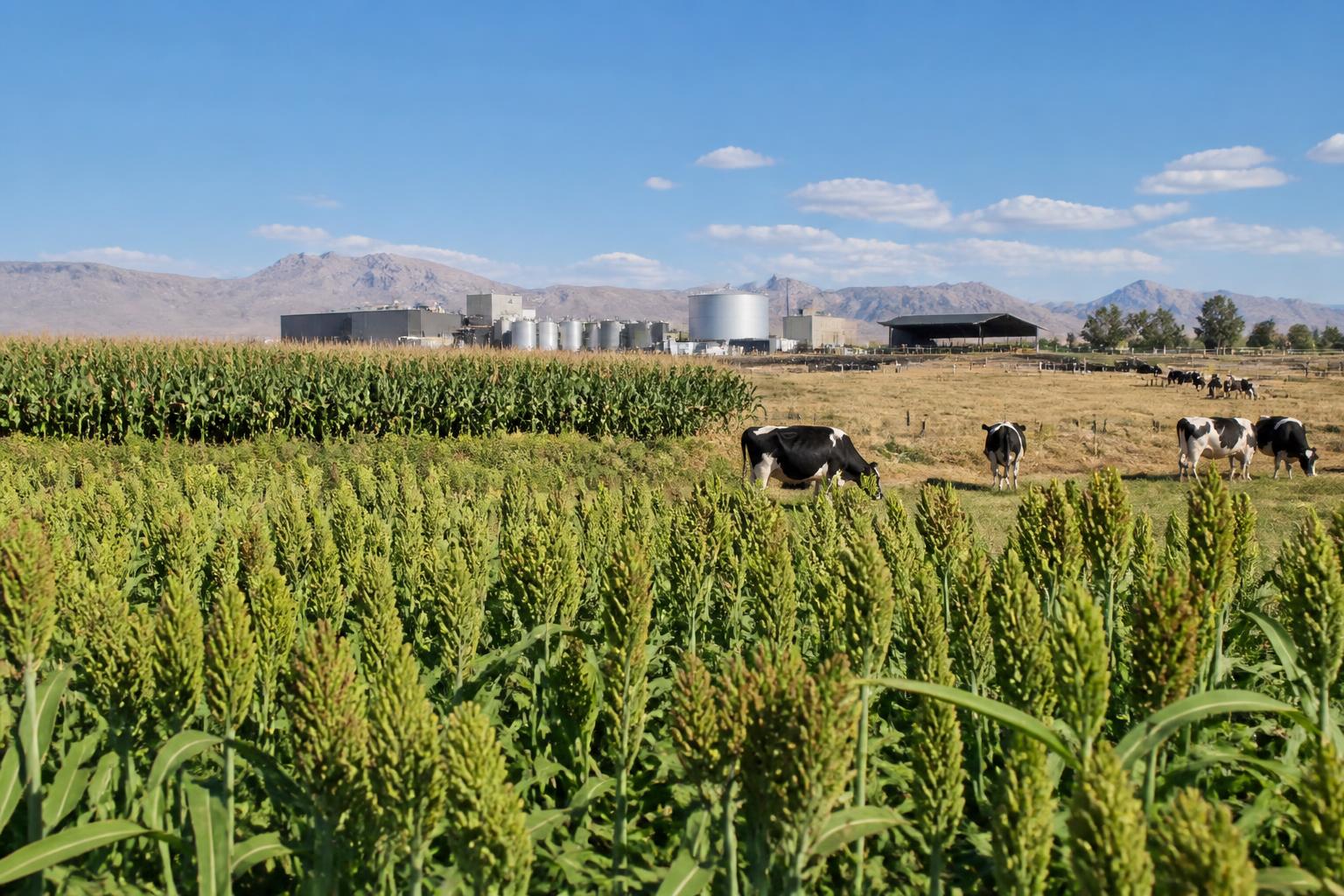
Focusing on Resilient Forage and Specialty Grains
As Nevada growers move through the peak of the summer season, the focus remains on maintaining high-quality forage and exploring specialty crop varieties. Recent research at the university level highlights ongoing efforts to refine sorghum hybrids, aiming to provide more efficient feed options for the state's dairy sector. By targeting crops that offer better drought tolerance and nutritional consistency, producers in regions like the high desert are seeking to stabilize their feed inventories against variable moisture levels.
For many operations, the ability to pivot toward value-added production is becoming a key business strategy. Beyond traditional row crops, some producers are finding opportunities by integrating grain production directly into regional value chains, such as the distilling industry, where local sourcing has gained traction in recent years. This "farm to glass" approach can create distinct market opportunities, though it often requires high-quality inputs and consistent harvest scheduling to meet the specific requirements of craft processors.
Navigating Market Dynamics and Operational Costs
Managing input costs remains a central challenge for grain handlers and farmers as they navigate the current market cycle. While global factors continue to influence commodity prices, local operators in counties like Churchill and surrounding agricultural hubs are increasingly looking at input efficiency to preserve profit margins. Understanding the cost-benefit of specific seed varieties and localized irrigation strategies is crucial for those working with tight water allocations.
For those involved in the broader agricultural supply chain, keeping a pulse on the grain market dynamics in Nevada is essential for anticipating shifts in local supply and demand. Whether managing seasonal harvests or planning for long-term storage, staying connected to regional cooperatives and educational resources can help navigate the complexities of high-input agriculture in a dry climate.
What it means for the market
Producers should continue to monitor the intersection of localized specialty crop demand and broader commodity trends. As summer progresses, the emphasis on water-efficient grain production and vertical integration into regional manufacturing may offer a path to greater price stability. While broad market volatility remains, focusing on high-value, locally adapted crops remains a viable strategy for those looking to differentiate their operations in an evolving Nevada agricultural landscape.
Comments
No comments yet - be the first to share your take.