
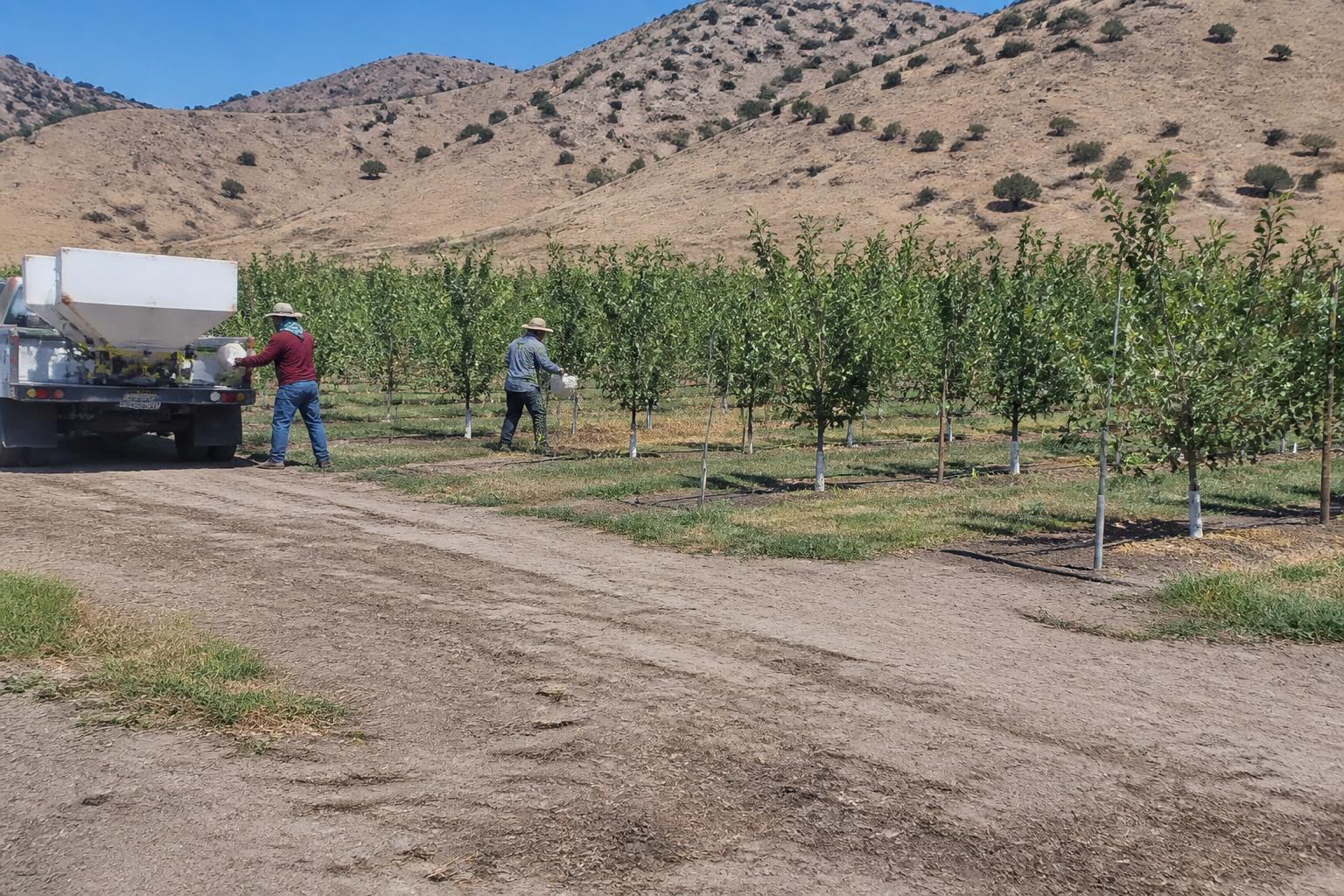
As we move through the heart of summer in California, agricultural operations across the state are navigating a complex mix of environmental and regulatory variables. Producers from the Central Valley to the coastal growing regions are reporting accelerated harvest timelines, which, while typical in some warm-weather seasons, are placing additional pressure on field logistics and regional labor availability. Maintaining operational fluidity is becoming a critical focus for many handlers and local growers alike.
Water management continues to define the operating context for most California agribusinesses. Beyond the physical availability of water, farmers are adapting to a regulatory environment that increasingly shapes land use and input strategies. For those looking to optimize their farm input procurement, the focus has shifted toward balancing high-performance crop needs with strict compliance mandates and sustainability initiatives.
Navigating the Input and Regulatory Landscape
In addition to water challenges, the industry is closely monitoring the availability of new crop protection tools. Recent public consultation efforts for emerging products suggest that while innovation continues, the registration process for new solutions remains a rigorous hurdle. Growers are encouraged to stay informed on pending updates to state regulations, as these shifts often influence the effective toolkits available for seasonal pest and disease control.
Furthermore, external economic pressures, including fluctuating trade conditions and export logistics, are impacting the broader California agricultural market. Disruptions in global trade channels have occasionally widened the difficulty for certain specialty crops, forcing a pivot toward more localized or resilient supply chain models. This creates a challenging environment where the margin for error in input planning and harvest timing has become noticeably slimmer.
Operational Best Practices for Mid-Season
- Monitor irrigation infrastructure closely to mitigate losses during peak summer temperatures.
- Review current, pending regulatory changes to align crop protection purchasing with state compliance standards.
- Coordinate with logistics partners early to secure capacity during condensed harvest windows.
- Utilize localized agricultural reports to stay updated on pest pressure trends that may require quick management pivots.
What it means for the market
For California farmers and agribusinesses, the current market climate necessitates a proactive approach to risk management. The intersection of early harvest pressures and evolving regulatory standards means that decision-making must be both agile and compliant. By prioritizing efficient resource allocation and keeping a close eye on administrative developments, operators can better insulate themselves against the market volatility currently affecting key export sectors and overall profit margins.
Comments
No comments yet - be the first to share your take.