
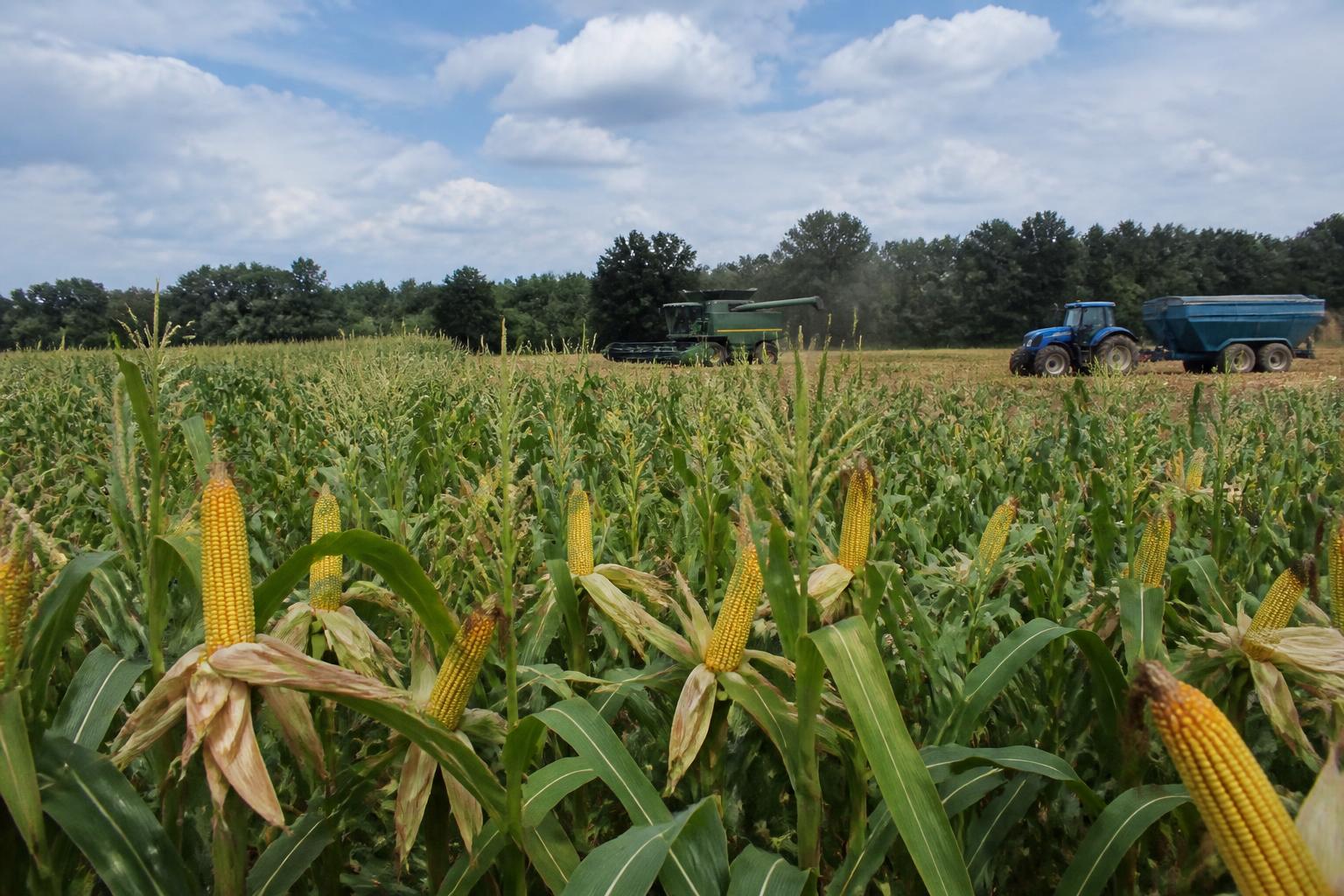
Mid-summer in North Carolina presents a complex environment for grain producers and handlers. While recent harvests have shown impressive yield potential in specific regions, the industry remains hyper-aware of environmental stressors and broader logistics challenges that can influence profitability. As the season progresses, maintaining operational agility is vital for those managing grain storage and transport, especially as regional agronomists and industry experts refine best practices for fertility and crop protection.
Logistics and Market Pressures
For farmers near the Cape Fear basin and other key transit corridors, the movement of goods remains a primary focus. Shifting international trade policies, including the potential for renewed tariffs, often cause producers to watch the export markets with caution. This uncertainty ripples through the supply chain, affecting how local grain elevators and logistics providers plan for the upcoming storage cycle. When local transport is tight, producers who have proactively maintained their equipment and secured reliable hauling partnerships often find themselves in a better position to react to sudden price shifts.
Agronomic Strategy and Efficiency
The recent focus on optimizing fertility recommendations for corn, wheat, and soybeans has been a central point of discussion for state agricultural officials. By leveraging resources like the recently dedicated plant sciences facilities, producers are increasingly able to tailor their input strategies to local soil variations. Effective management of mid-summer agronomic hurdles remains the most effective tool for protecting yields from the variable precipitation patterns that can impact the eastern and central regions of the state.
Managing Risk in a Changing Season
Risk management remains essential as the industry approaches the busiest part of the calendar. Given the potential for localized drought stress, many operators are re-evaluating their coverage options to ensure that their grain inventory and production are adequately protected against unforeseen yield losses. Combining robust insurance strategies with careful monitoring of input efficacy, such as adherence to evolving pesticide regulations, helps secure the bottom line against the volatility inherent in North Carolina agriculture.
What it means for the market: For North Carolina agribusinesses, the combination of high yield potential and market uncertainty dictates a cautious but prepared stance. Prioritizing liquidity in the supply chain and maintaining high standards for post-harvest storage will be key to navigating the remainder of the summer season as the market continues to respond to both domestic and international pressures.
Comments
No comments yet - be the first to share your take.