
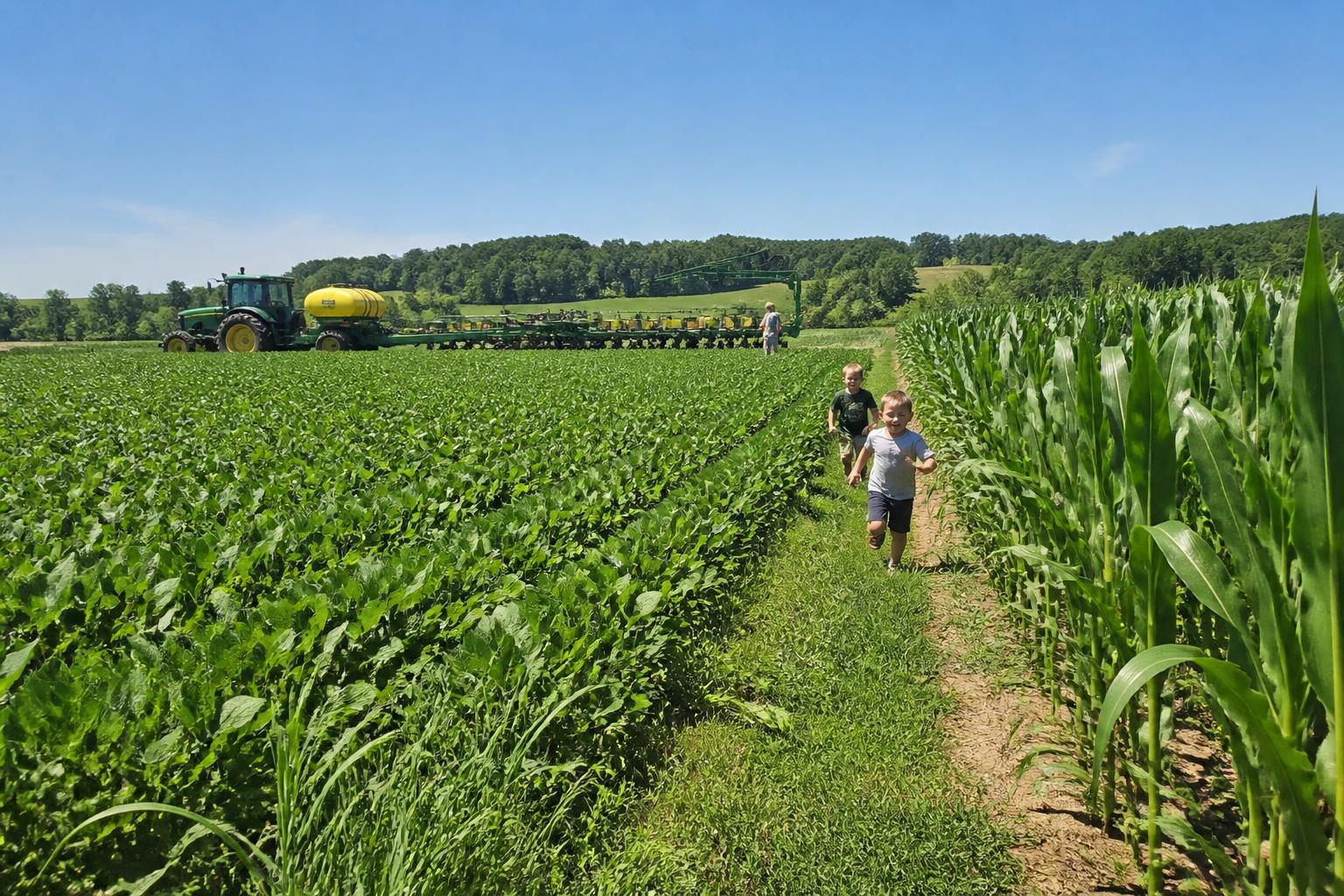
As we move through the heat of summer, Missouri growers are focusing on operational efficiency and risk mitigation to protect margins. With the season in full swing, managing fixed costs has become a primary driver of financial strategy for operations across the state. Strategies that prioritize precision in nutrient management, such as carefully calibrating phosphorus and potash applications, are helping many producers preserve yield potential without overextending their budgets.
Operational vigilance remains high as regional field challenges intensify. Recent observations of corn leafhoppers arriving earlier than typical cycles have forced farmers to refine their scouting and integrated pest management practices to avoid significant crop damage. These localized pressures underline the importance of staying current with logistics and infrastructure shifts that can impact the speed and cost of field-level interventions.
Investing in Long-Term Ag Resilience
Beyond immediate field care, the broader Missouri agricultural landscape is seeing a push toward modernization. The University of Missouri is channeling significant investment into its ag experiment stations, a move aimed at bolstering research that could eventually translate into more resilient crop varieties and better soil health metrics. For farmers, this emphasis on research represents a bridge toward long-term sustainability and higher output efficiency.
Market participants are also monitoring how these advancements integrate with regional supply chain optimizations. Whether through leveraging new AI-driven tools or maintaining a tight watch on input procurement, producers are finding that incremental gains in management often yield the most stable financial footing.
What it means for the market
The current market environment encourages a defensive but proactive posture. By focusing on reducing fixed costs and responding quickly to pest volatility, Missouri growers are aiming to secure their financial strength before the harvest window opens. Success this year likely rests on the ability to balance these immediate operational demands with the long-term goal of optimizing yield potential in a fluctuating economic climate.
Comments
No comments yet - be the first to share your take.