
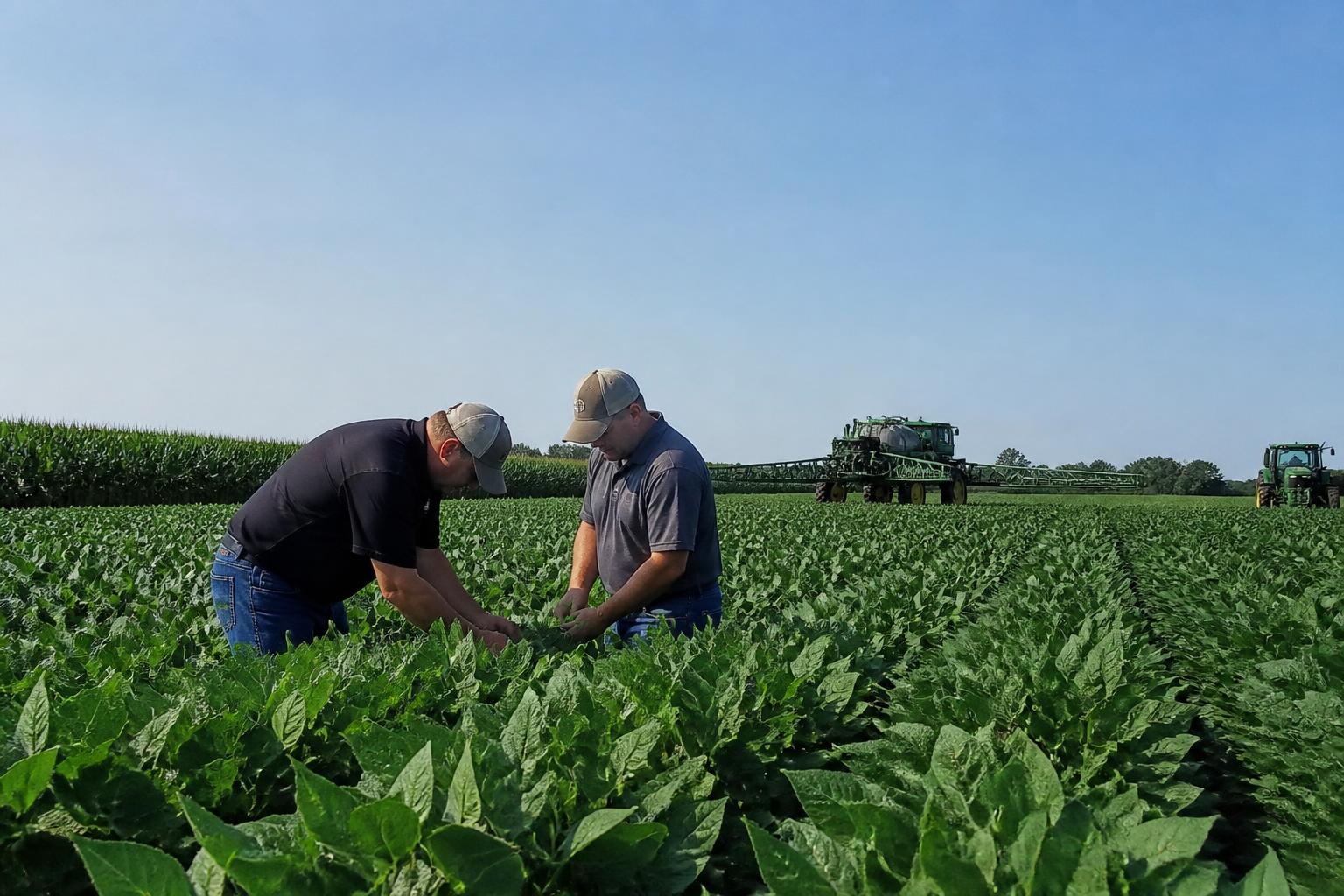
Mid-summer is a critical time for Missouri's agricultural sector, as farmers balance routine field maintenance with early preparations for the upcoming harvest season. For many producers, this period highlights the importance of reliable supply chains and the efficiency of regional transit networks, which are essential for moving inputs and preparing grain storage facilities.
Ongoing developments in Missouri's industrial corridors, particularly near hubs like Columbia, continue to influence local freight movement. Recent investments in industrial site leases may signal broader shifts in how goods and specialized materials are routed through the state. For grain handlers and ag-businesses, keeping an eye on these infrastructure upgrades can be beneficial when evaluating local transportation capacity and storage availability throughout the summer months.
Infrastructure and Regional Readiness
As the state moves deeper into the growing season, monitoring the stability of rural transportation networks is a priority. Efficient logistics often depend on the proximity of commercial storage solutions and the responsiveness of regional delivery services. Producers looking to optimize their operation may benefit from staying informed on logistical infrastructure shifts that affect the flow of materials from local suppliers to the field.
Furthermore, as market participants assess the current processing capacity, the reliability of these logistical nodes remains a central theme. Whether coordinating the delivery of necessary inputs or preparing for the eventual transport of grain, regional connectivity is a cornerstone of operational success for Missouri farmers.
What it means for the market
For agribusinesses and logistics providers, the focus remains on maintaining steady supply lines and ensuring that regional facilities are prepared to handle the demands of the upcoming months. By keeping informed about local industrial leasing patterns and infrastructure developments, producers can better position themselves to mitigate transportation hurdles and ensure their harvest season runs as smoothly as possible.
Comments
No comments yet - be the first to share your take.