
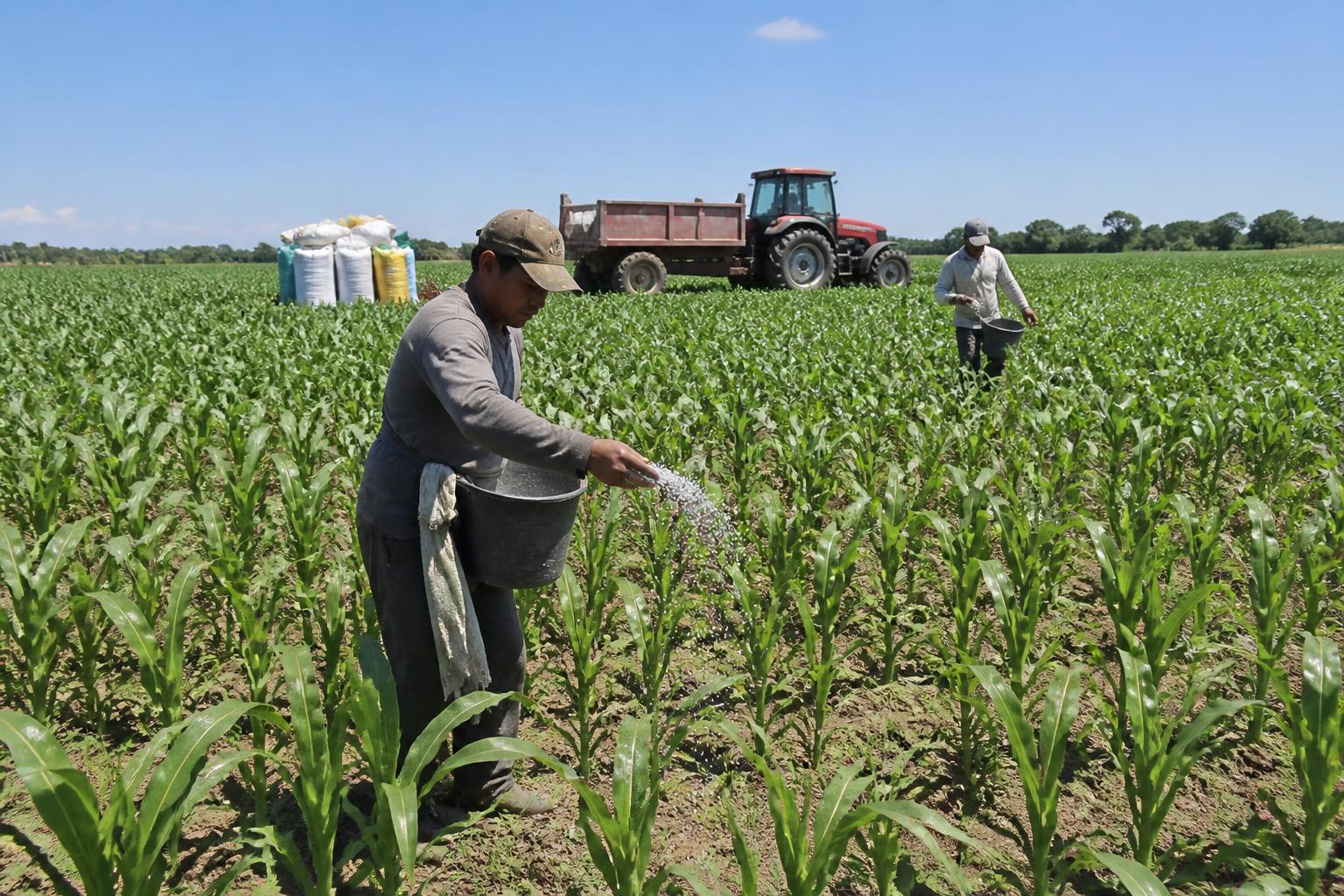
Mid-summer in Delaware brings a period of intense focus on crop maintenance and monitoring. For many local producers, this time of year requires careful attention to soil health and nutrient management. As the season progresses, farmers are weighing current input costs against the backdrop of broader market volatility, where shifting global demand continues to influence regional fertilizer pricing trends.
While recent market reports indicate that prices for various fertilizer components have remained mixed, Delaware agribusinesses are navigating these changes by focusing on sustainable, long-term soil solutions. Maintaining a balanced approach to nutrient application is often critical in our diverse soil regions, where local soil management strategies are becoming increasingly important for maximizing yields under variable weather conditions.
Monitoring Global Influences
The global fertilizer industry is currently experiencing a period of adjustment. Investors and manufacturers are closely watching demand cycles, as global tensions and logistical pressures can create ripples that eventually touch our local Delaware markets. For grain handlers and input buyers, understanding how global production shifts affect availability is a vital piece of the seasonal planning puzzle.
Logistics and Field Operations
As we navigate the peak of the growing season, transportation and logistics remain key factors for moving inputs from storage to the field. Delays or infrastructure constraints can impact supply timing, making it essential for producers to maintain open communication with local suppliers regarding inventory levels and delivery expectations during the busy summer months.
What it means for the market
For Delaware producers, the current market climate emphasizes the need for flexibility. With prices continuing to fluctuate, making informed decisions on input purchases and applications is key to maintaining operational efficiency. By leveraging local expertise and staying connected to regional supply updates, farmers can better manage the economic risks associated with the volatile global fertilizer sector throughout the remainder of the growing season.
Comments
No comments yet - be the first to share your take.