
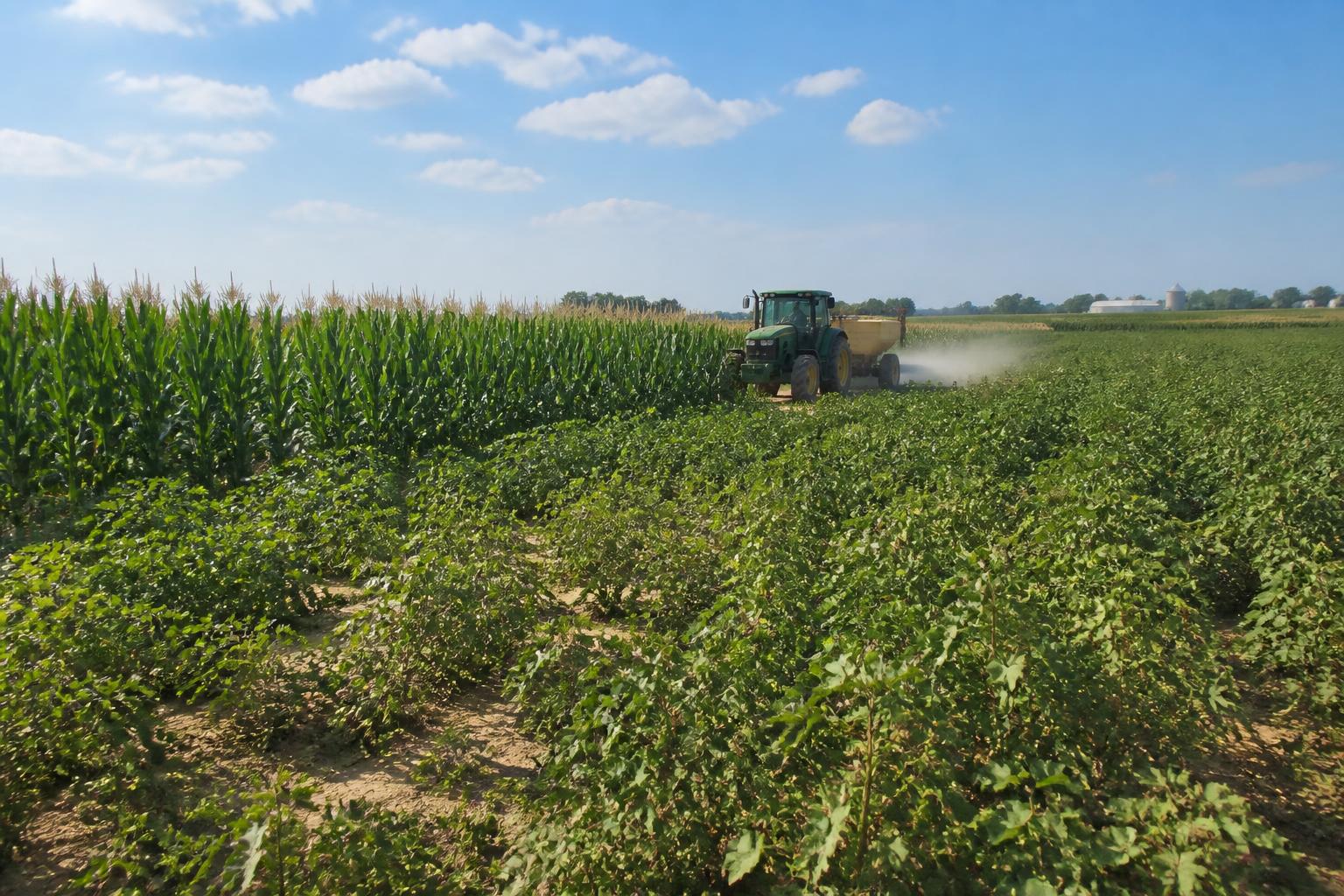
Texas farmers are currently managing a complex mid-summer landscape, where localized weather challenges and persistent input cost volatility are top of mind. While corn harvest progresses in some regions, producers are simultaneously adjusting their operational strategies to mitigate the effects of high fertilizer prices, which remain a significant point of concern across the state.
The financial strain on input procurement is drawing broader scrutiny, with federal investigations into pricing structures gaining attention among producers. These high costs are forcing many agribusinesses and farmers to prioritize precision and efficiency, often re-evaluating their seasonal application plans as they look toward future planting cycles.
Logistics and Port Infrastructure Developments
In the broader supply chain, infrastructure remains a critical focal point for grain buyers and sellers across Texas. Recent shifts at key maritime hubs are signaling potential changes in how commodities are handled and moved. Developments at the Port of Houston are reflecting a broader trend toward expanded capacity, aiming to support long-term growth in regional trade. Meanwhile, strategic investments in Corpus Christi suggest that containerized movement may play an increasingly prominent role in the state's grain logistics and infrastructure network.
Navigating Market Volatility
For grain handlers and carriers, the current climate demands a focus on operational agility. As seen in previous Texas grain market updates, the ability to pivot between transport modes and adapt to fluctuating export demand is essential. With crop yields showing variability due to inconsistent rainfall patterns, managers are keeping a close watch on regional inventory levels to optimize storage and transport capacity.
What it means for the market
The convergence of tightened input budgets and evolving export logistics suggests a market defined by cautious optimization. Producers should stay attuned to local market updates regarding fertilizer availability and logistical bottlenecks, as these factors will likely dictate grain movement efficiency throughout the remainder of the summer season.
Comments
No comments yet - be the first to share your take.