
Market Outlook and Federal Reporting
As we move into the height of the summer growing season in West Virginia, producers are keeping a close watch on national market movements. Market activity is currently characterized by a period of waiting, with many observers looking toward the latest World Agricultural Supply and Demand Estimates (WASDE) to provide clearer signals on price directions. For local farmers, these national shifts often influence bottom-line decisions for mid-summer operations.
Understanding these broader trends is essential for those navigating grain buyers, sellers and prices in West Virginia. When global supply reports fluctuate, local basis levels can respond, impacting how regional elevators and smaller scale operations manage their current inventories during the busy summer months.
Diversification and Specialty Crop Interests
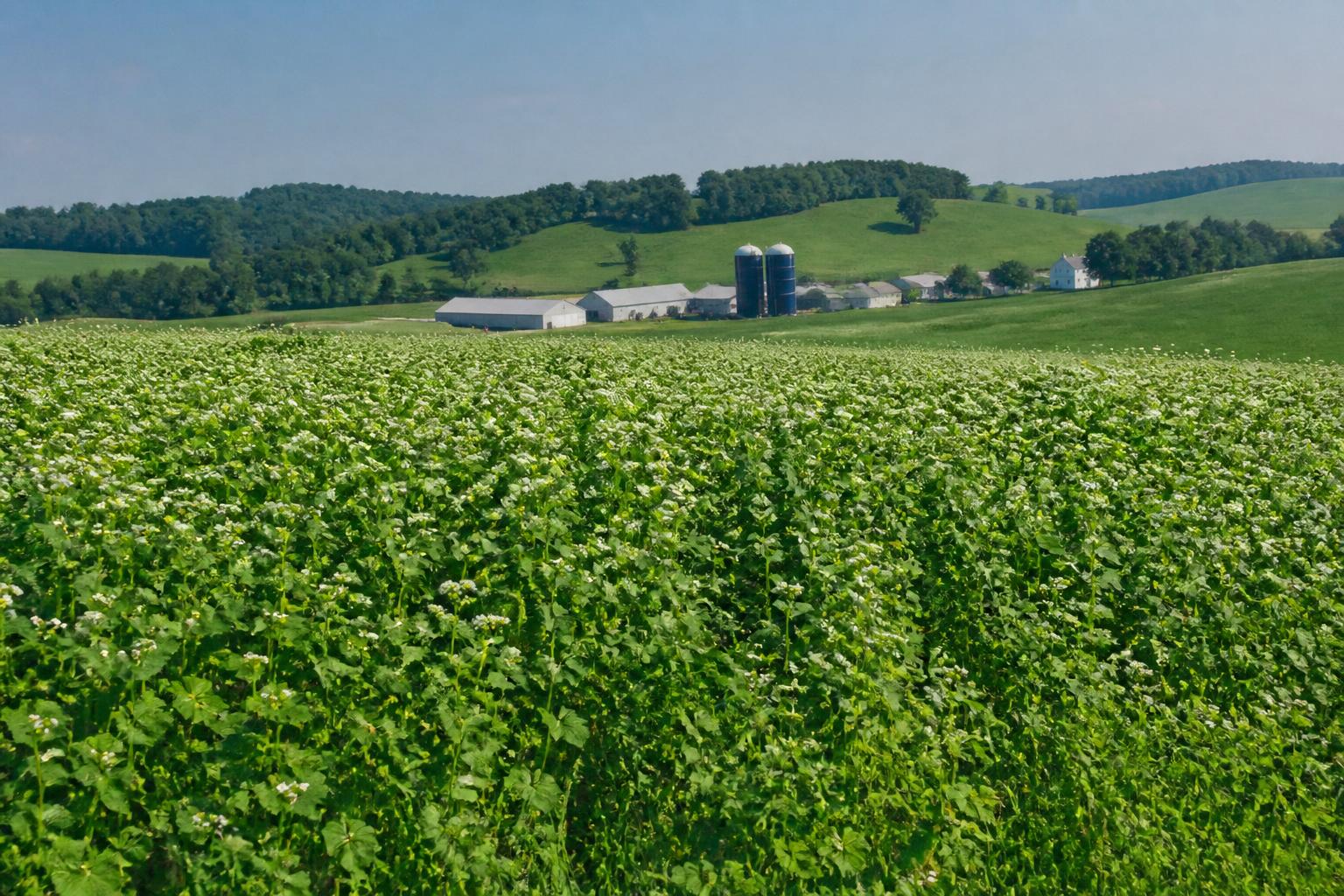
Beyond traditional commodities, interest in alternative grains continues to persist among some West Virginia producers. Buckwheat, for example, remains a niche but noted crop option in various parts of the state. Growing conditions during this time of year are critical for stand establishment, and farmers looking to incorporate specialty grains often weigh the immediate input costs against potential direct-market opportunities or local specialty processing demand.
Logistical and Infrastructure Considerations
Infrastructure development continues to be a point of discussion for the agricultural community. Proposed projects near historic regions have prompted conversations regarding land use and the long-term impact on local production environments. For agribusinesses and carriers, monitoring these developments is part of the broader effort to ensure that regional transport corridors remain accessible and conducive to the steady movement of agricultural inputs and outputs across the state.
Key Takeaways
- Monitor upcoming federal supply data releases to gauge potential market volatility.
- Evaluate the role of specialty grains in your seasonal rotation strategy.
- Stay informed regarding local land-use proposals that could affect regional logistics.
What it means for the market: The current landscape encourages a cautious approach to grain marketing. While national reports drive the baseline, West Virginia producers are positioned to benefit from local diversification and staying highly attentive to the intersection of regional infrastructure projects and their long-term supply chain viability.
Comments
No comments yet - be the first to share your take.