
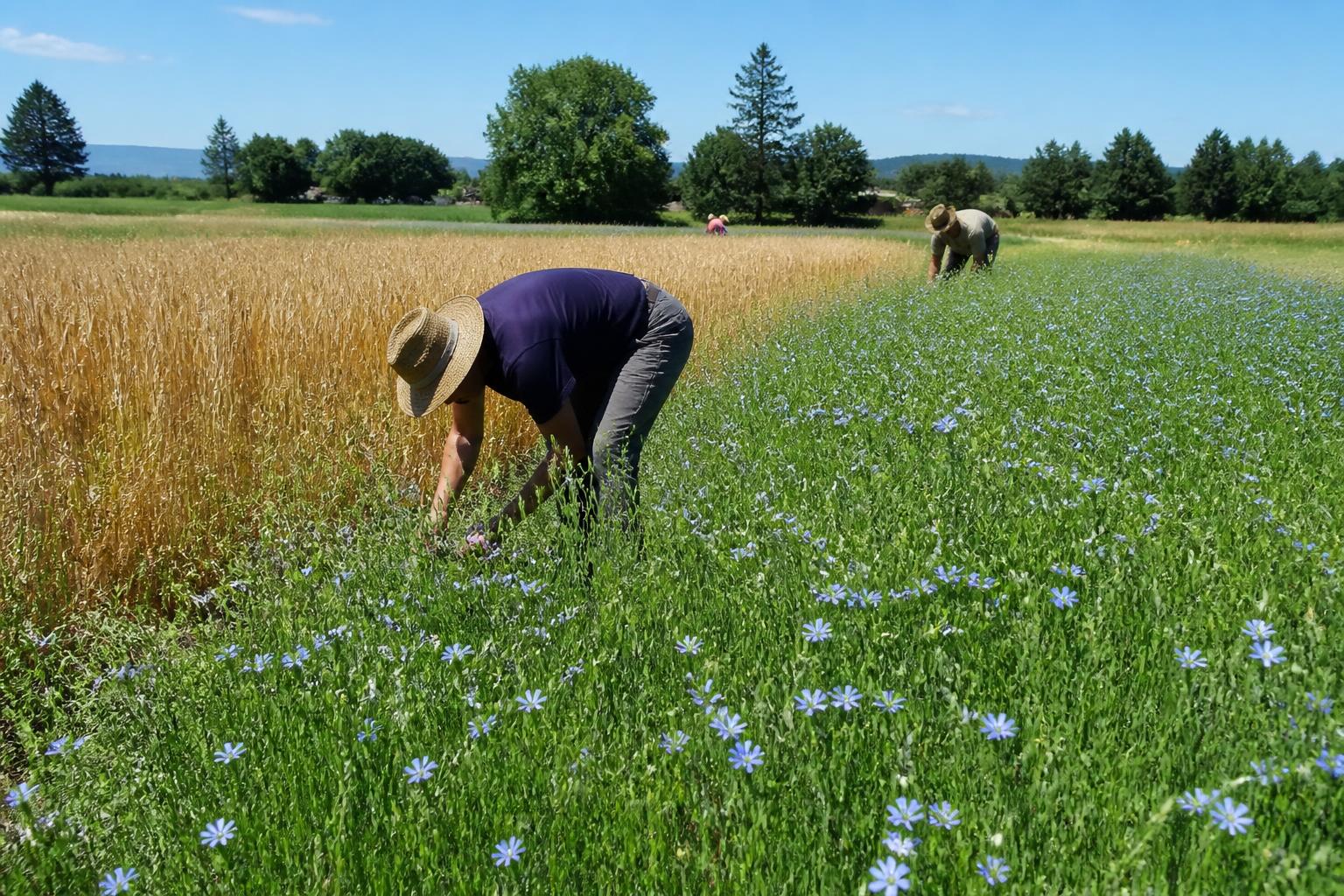
Mid-summer in Oregon remains a period of intense focus for growers and input managers as field operations progress. In regions such as the Willamette Valley, where agricultural land use is shifting toward diverse crops, the demand for reliable fertilizer delivery remains a critical component of seasonal planning. Market participants are currently balancing input needs with the broader economic environment, monitoring how policy developments and logistics may influence the bottom line for the remainder of the growing cycle.
For those managing input procurement, recent developments in federal regulatory oversight for regional fertilizer entities serve as a reminder of the evolving compliance landscape. Staying informed is essential for maintaining supply chain continuity. Whether you are managing input costs amidst seasonal field demands or assessing the impact of regional logistics, understanding how these variables connect is key to effective farm management.
Regulatory and Supply Chain Dynamics
The regulatory environment can often introduce unexpected shifts in how fertilizers are distributed and sold throughout the Pacific Northwest. Recent legal settlements involving regional fertilizer companies highlight the importance of proactive vendor management for elevators and cooperatives. As farmers look to secure supplies, ensuring that local partners are navigating these regulatory hurdles successfully can help mitigate potential disruptions to late-season applications.
Market Outlook and Regional Context
Oregon agricultural businesses are also closely watching how broader trade policies and economic trends ripple down to the farm gate. While high-level trade discussions often dominate the conversation, the local reality for grain handlers and producers often hinges on the efficiency of regional transport and the stability of input prices. Understanding the impact of federal tariff adjustments on local procurement remains a priority for many producers as they look toward future crop cycles.
What it means for the market
For Oregon farmers and agribusinesses, the current mid-summer period emphasizes the need for flexibility in input strategy. By keeping a pulse on regulatory shifts and maintaining transparent communication with regional suppliers, operators can better protect their margins against unforeseen logistical or economic pressures as the season progresses toward harvest.
Comments
No comments yet - be the first to share your take.