
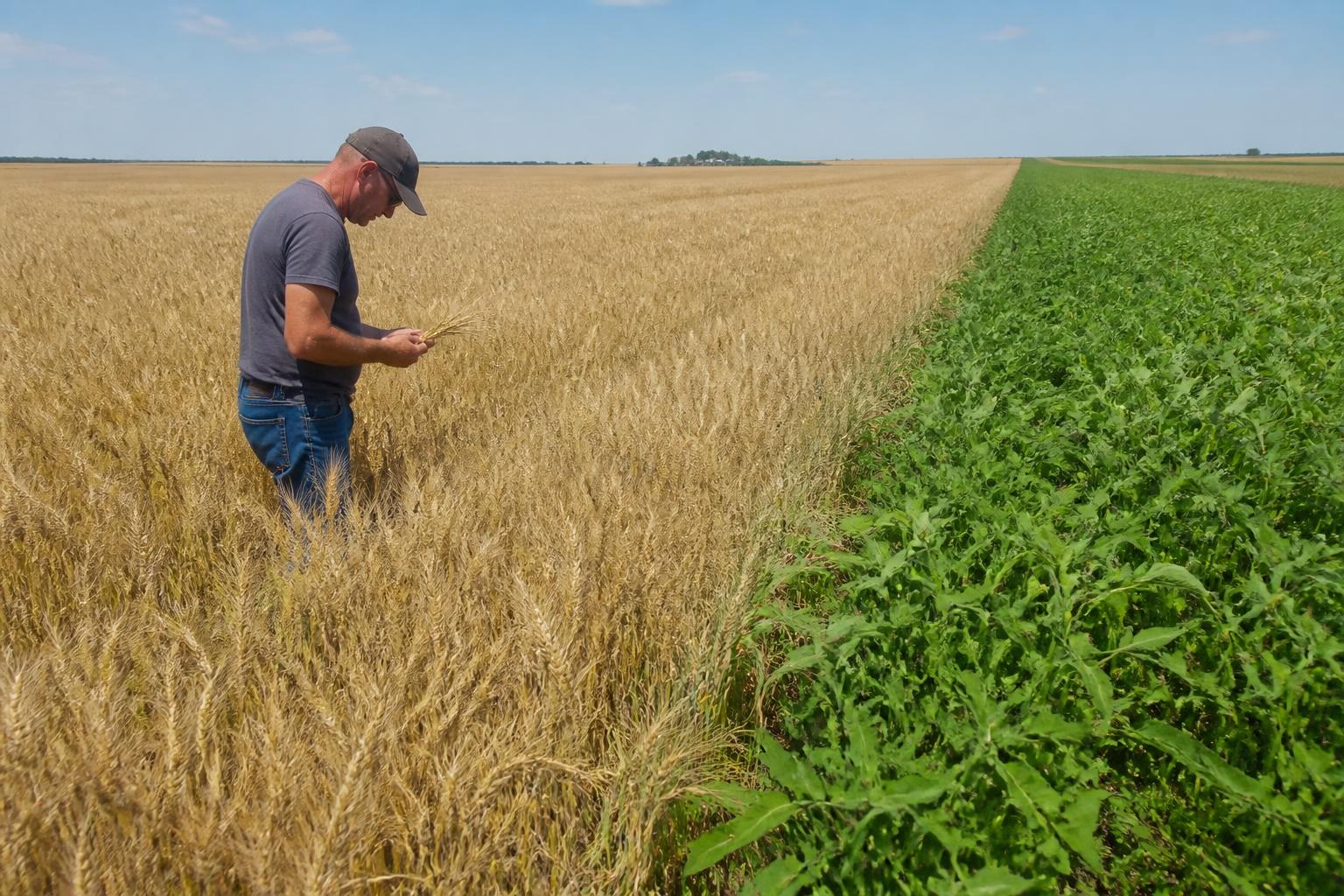
In the heart of July, Maine producers are deep into the challenges of the summer growing season. For those managing grain crops across the state, from the fertile fields of Aroostook County to coastal agricultural pockets, the focus remains on maintaining crop health through fluctuating weather patterns. Whether you are assessing nutrient requirements or monitoring for signs of stress, the current window is critical for yield potential.
Input management remains at the forefront of operational planning. Producers may find that evaluating the effectiveness of soil amendments like gypsum or addressing localized nutrient deficiencies is essential as crops push toward their next developmental stages. With interest in long-term soil health and the potential for federal and state policy shifts regarding input supplies, many operators are staying vigilant about their strategies for soil management and risk mitigation.
Adapting to Seasonal Production Realities
The unpredictability of the season often requires farmers to remain flexible with their agronomic plans. Growers navigating a complex spring may still be observing the lasting impacts on their stands, making mid-season scouting more important than ever. If your fields are showing signs of uneven growth or stress, remember that understanding the specific nutrient needs or potential deficiencies in your region is key to making informed mid-season decisions.
As you evaluate your current inventory and prepare for harvest logistics, ensuring you have a clear plan for your crop is essential. For those looking to optimize their options for grain sales and marketing within the state, aligning with reliable partners now can help streamline operations when the harvest window finally opens.
What it means for the market
For Maine agribusinesses and grain handlers, the focus is shifting toward assessing the health of this year's output. Market participants should prepare for potential volatility in input costs, particularly as policy discussions continue to influence the fertilizer supply chain. Maintaining a proactive approach to crop monitoring and logistical planning will be vital for producers aiming to safeguard their bottom line through the remainder of the summer.
Comments
No comments yet - be the first to share your take.