
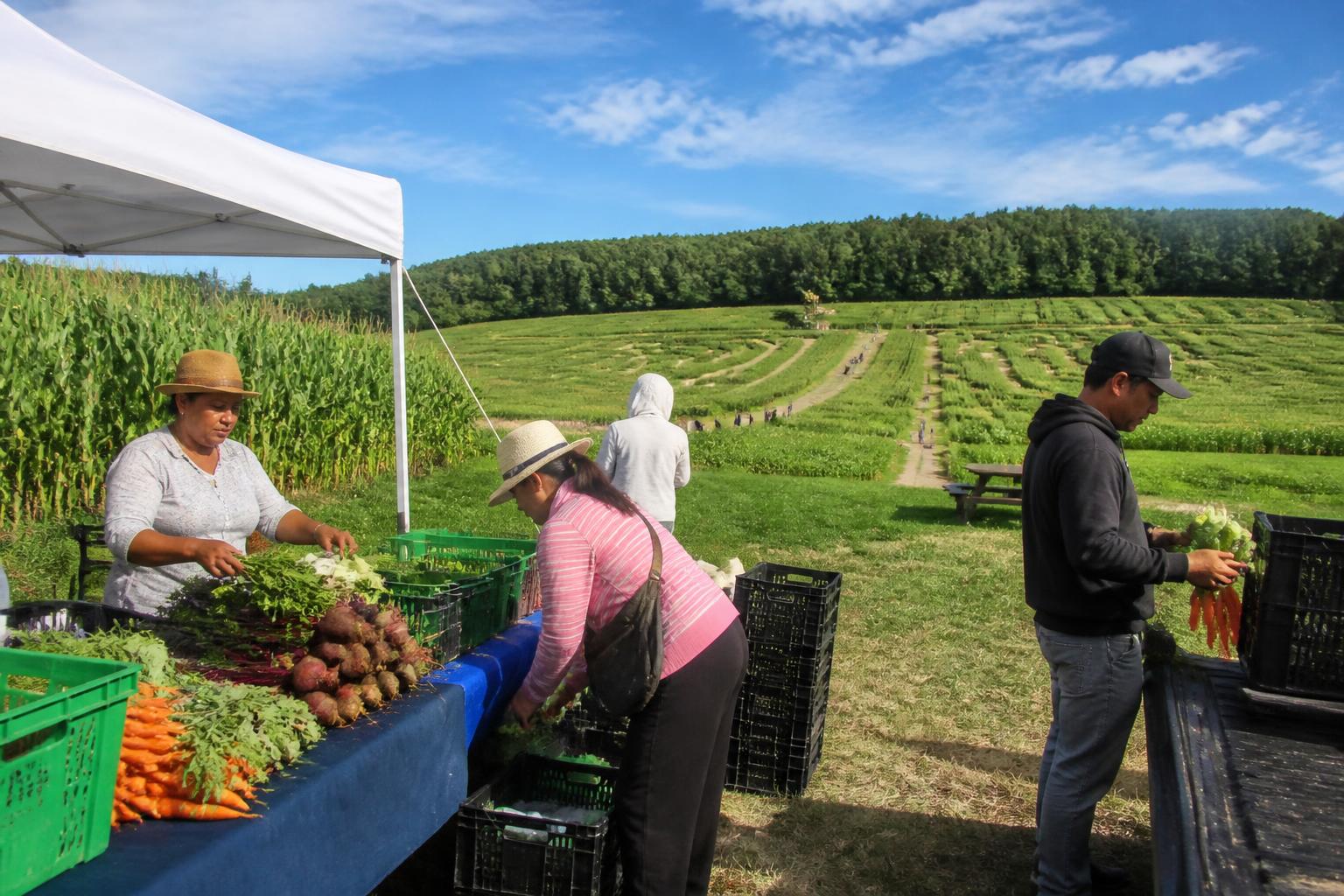
As Maine agriculture moves through the peak of summer, grain growers across the state are focusing on optimizing field efficiency while managing the broader pressures of rising operational expenses. From the fertile fields of Aroostook County to smaller operations closer to the coast, producers are contending with high seed costs and the persistent need to manage input expenditures effectively to maintain margins.
Technical precision has become a significant factor in balancing these costs. Many operators are finding that even minor issues in planting equipment—such as singulation or spacing irregularities—can ripple through the season, impacting overall yield and profitability. For producers looking to refine their approach, understanding the nuances of navigating Maine grain markets amid summer field adjustments is critical for protecting the bottom line in a landscape where every bushel counts.
Efficiency in Post-Harvest Handling
Beyond the field, the focus remains on post-harvest infrastructure. Strategic investments in high-efficiency drying technology have provided a competitive edge for some Maine operations, allowing for better quality control and more flexible marketing windows. By reducing dependency on external conditions during the harvest rush, producers are better positioned to meet the standards required by regional buyers.
Market Outlook and Regional Resilience
Despite the current cost environment, the resilience of the Maine agricultural community continues to manifest through innovation. Whether it is through improved crop tissue testing to address specific micronutrient deficiencies or the adaptation of new logistical strategies, Maine farmers are demonstrating a commitment to long-term viability. As the season progresses, monitoring local demand and staying attuned to shifting market conditions will be essential for those managing grain inventory.
What it means for the market
For grain handlers and agribusinesses, the current climate necessitates a closer look at local supply chain stability. As inputs remain costly, growers are likely to prioritize vendors who offer not just competitive pricing, but value-added services and diagnostic support. Keeping a steady pulse on local harvest timing and storage capacity will be paramount as the summer moves toward the fall harvest cycle.
Comments
No comments yet - be the first to share your take.