
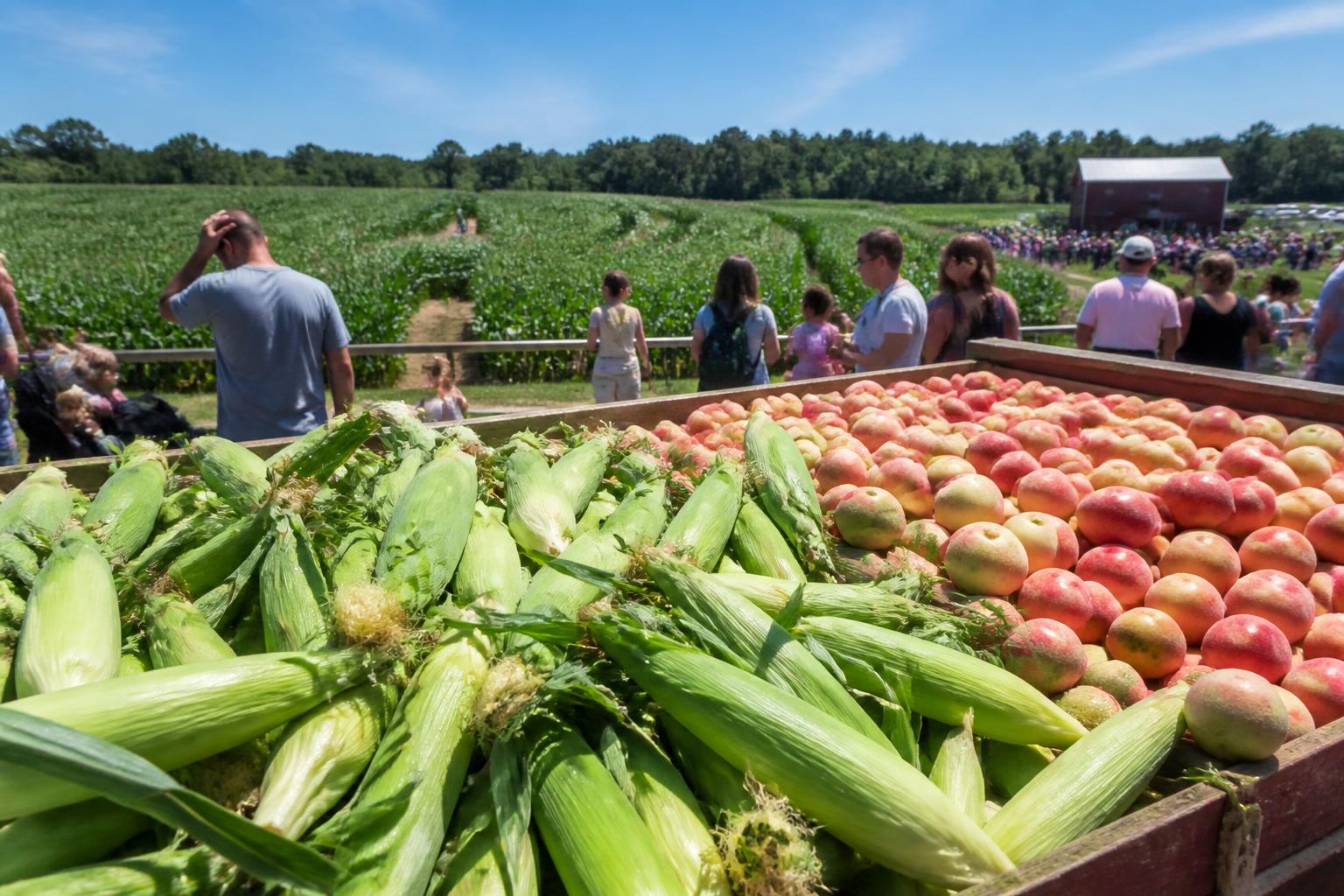
Mid-summer in New Jersey brings a distinct shift in pace for local agribusinesses. As growers tend to their fields, the focus across the state is increasingly split between finalizing crop development and preparing for the surge in seasonal traffic that defines the late summer and fall markets. Whether operating in the lush farmland of Burlington County or the central regions known for vibrant produce stands, operators are currently managing the intersection of high-value specialty crops and the logistical demands of a busy agritourism cycle.
For grain handlers and farm-market operators, this period is critical for assessing equipment needs and ensuring that transport routes remain clear of seasonal bottlenecks. Navigating the logistics of moving machinery and fresh goods often requires careful coordination, particularly as the state sees increased public interest in farm-based attractions. Managing these diverse operational streams is essential to maintaining efficiency as we head toward the harvest window.
Aligning Operational Logistics with Seasonal Demand
The transition from field work to visitor management can present unique hurdles for farms that serve both wholesale markets and local consumers. As seen in mid-summer logistics updates, the ability to streamline transport and maintain onsite safety is a top priority for agricultural businesses. Growers are encouraged to prioritize preventive maintenance on all equipment now, as the intensity of the upcoming harvest months can quickly expose mechanical vulnerabilities.
Furthermore, staying informed about market conditions is vital for those moving grain or produce through regional supply chains. Understanding how regional storage capabilities interact with local demand helps in making informed decisions about storage and sales. Detailed insights into the latest harvest and yield trends remain a standard reference point for farmers looking to optimize their market position during this high-stakes time of year.
Safety and Efficiency in the Field
Operational success during the summer months is heavily dependent on field safety and logistical preparedness. Every year, the agricultural community is reminded of the importance of vigilance when operating machinery, especially as the pace of work accelerates. Establishing clear communication protocols for farm staff and ensuring that all logistics providers are aware of site-specific access points can mitigate risks and improve the flow of goods from the field to the point of sale.
What it means for the market: New Jersey farmers are in a period of high-intensity management. By balancing crop oversight with the logistical requirements of an active agritourism season, agribusinesses can better capitalize on local demand and ensure that field operations proceed safely and efficiently throughout the remainder of the summer months.
Comments
No comments yet - be the first to share your take.