
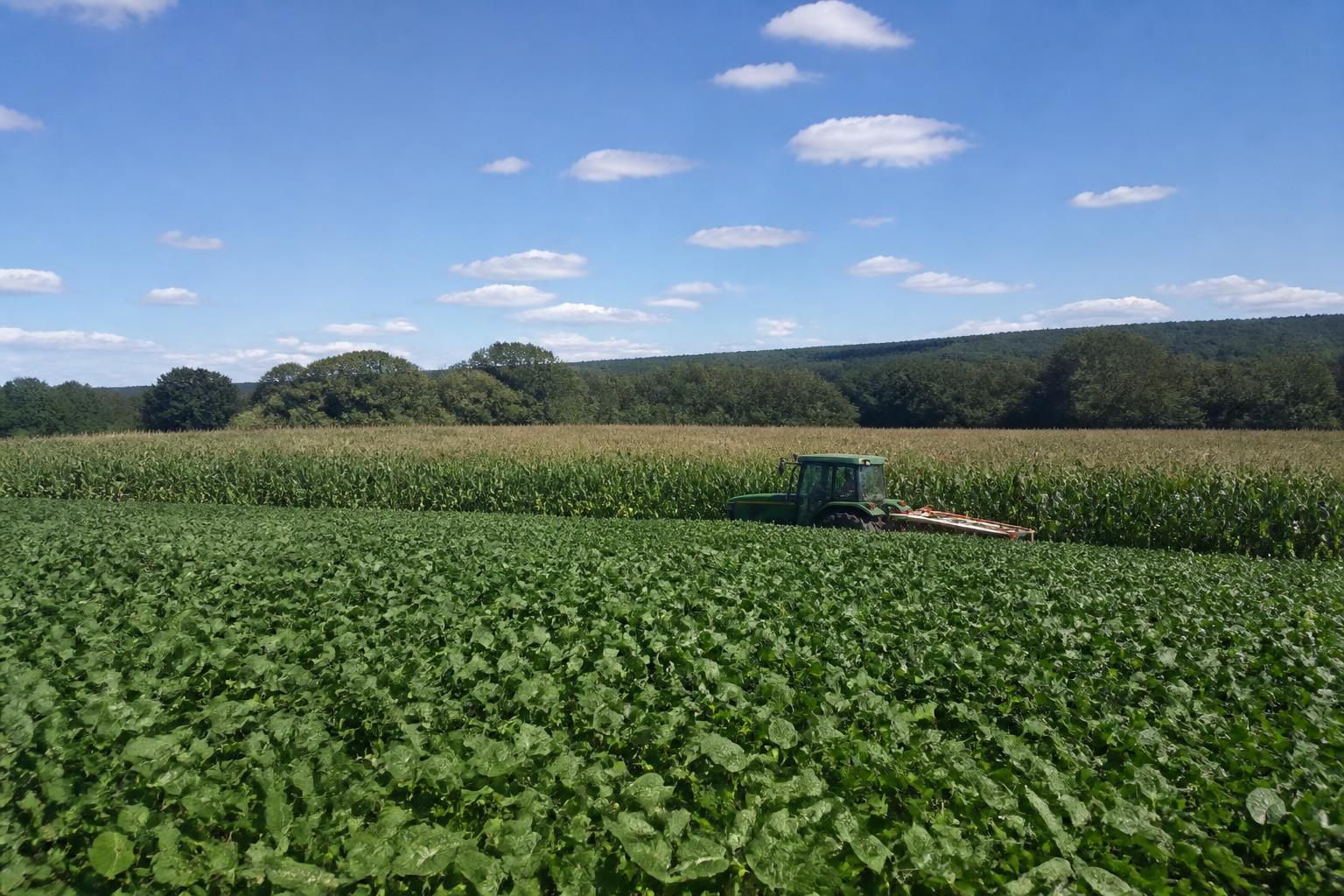
Mid-summer in Connecticut finds many producers deep into critical management cycles, with eyes fixed on both the canopy development of field crops and the cooling volatility of the broader commodities market. As harvest preparations begin to appear on the horizon, the pressure from external economic factors remains a significant headwind for the local agricultural community.
Input costs, particularly for fertilizers, remain a primary point of concern for growers across the state. Regional businesses are increasingly navigating a landscape where geopolitical instability continues to strain supply chains, leading to elevated prices for essential soil nutrients. For many farm operations, managing these tight margins has become as important as the crops themselves.
Navigating Market Fluctuations
Grain markets have shown mixed signals in recent weeks, with national corn trends demonstrating some resilience as prices closed higher over consecutive weeks in July. Conversely, wheat and soybean markets have experienced periodic pullbacks, forcing local grain handlers and buyers to sharpen their risk management strategies. Whether you are managing inventory at a local elevator or planning upcoming feed needs, staying informed on regional grain buyers and pricing remains an essential task for maintaining profitability this season.
Logistics and Field Operations
With the summer season in full swing, Connecticut farmers are balancing the standard requirements of summer crop maintenance with ongoing efforts to protect land, such as the preservation projects seen in regions like North Stonington. As the season progresses, logistical planning for storage and transport will become more pressing. Early assessments of local yields combined with national market data should guide your storage decisions as we move toward the autumn months.
What it means for the market: Producers should prepare for continued price variability in input costs and monitor grain market futures closely. The combination of sustained fertilizer expenses and fluctuating commodity prices suggests that proactive financial planning and careful inventory management will be key to weathering the remainder of the growing season.
Comments
No comments yet - be the first to share your take.