
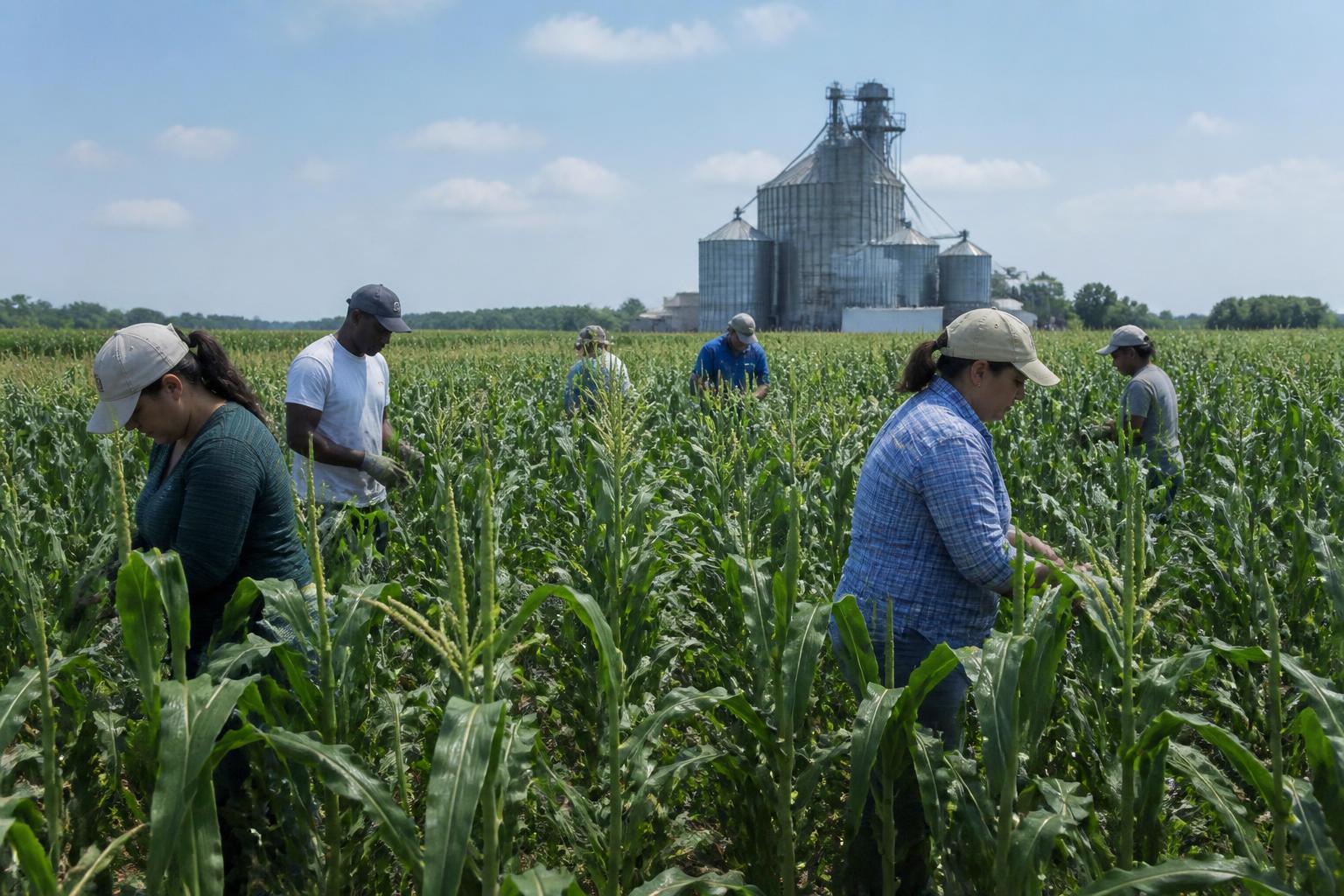
Mid-July finds Indiana agriculture in a critical transition period. As field teams navigate the complexities of summer crop management, the focus for grain elevators and logistics providers has shifted toward maintaining efficiency in a changing regulatory and environmental landscape. With weather patterns influencing crop development across the state, ensuring that grain handling operations remain resilient is top of mind for producers and agribusiness partners alike.
Understanding the current state of Indiana grain logistics is essential as regional infrastructure continues to see incremental upgrades. These improvements are designed to help streamline the movement of commodities from local hubs to larger distribution channels, which is particularly vital as producers prepare for the logistics of the upcoming harvest season.
Adapting to Evolving Regulatory Standards
The regulatory environment for Indiana grain handlers and farmers has seen notable updates aimed at increasing industry trust and operational transparency. Current state laws regarding grain buyers are designed to provide stronger protections for producers, fostering a more stable environment for contracting and delivery. Furthermore, staying informed on the state’s indemnity fund protocols remains a foundational step for those managing grain storage or participating in marketing agreements.
Operational compliance also extends to crop protection applications. Recent guidance on herbicide use underscores the necessity for farmers to stay closely aligned with state-level registration and application timing restrictions to protect yields and ensure responsible land management as the growing season progresses.
Managing Storage and Resource Efficiency
With summer heat potentially impacting crop stress, many operations are re-evaluating their on-farm storage capabilities. Investing in infrastructure that fits the specific needs of an individual farm can provide the flexibility required to navigate market volatility, allowing producers to hold grain when conditions are unfavorable for immediate sale.
Beyond physical storage, the integration of federal agricultural support resources continues to play a role in how Indiana agribusinesses manage their operational footprint. By leveraging these hubs, local entities can access vital information and services that support both large-scale commercial operations and smaller, diverse farming businesses, all of which contribute to the state’s agricultural health.
What it means for the market
The combination of localized infrastructure refinements and a clearer legal framework for grain buyers suggests a more structured market environment for Indiana farmers. As the season matures, focusing on storage capacity and compliance with changing application regulations will likely be the keys to mitigating risk. Agribusinesses that align their logistics strategies with these state-level updates will be better positioned to capitalize on market opportunities as we move toward the autumn harvest.
Comments
No comments yet - be the first to share your take.