
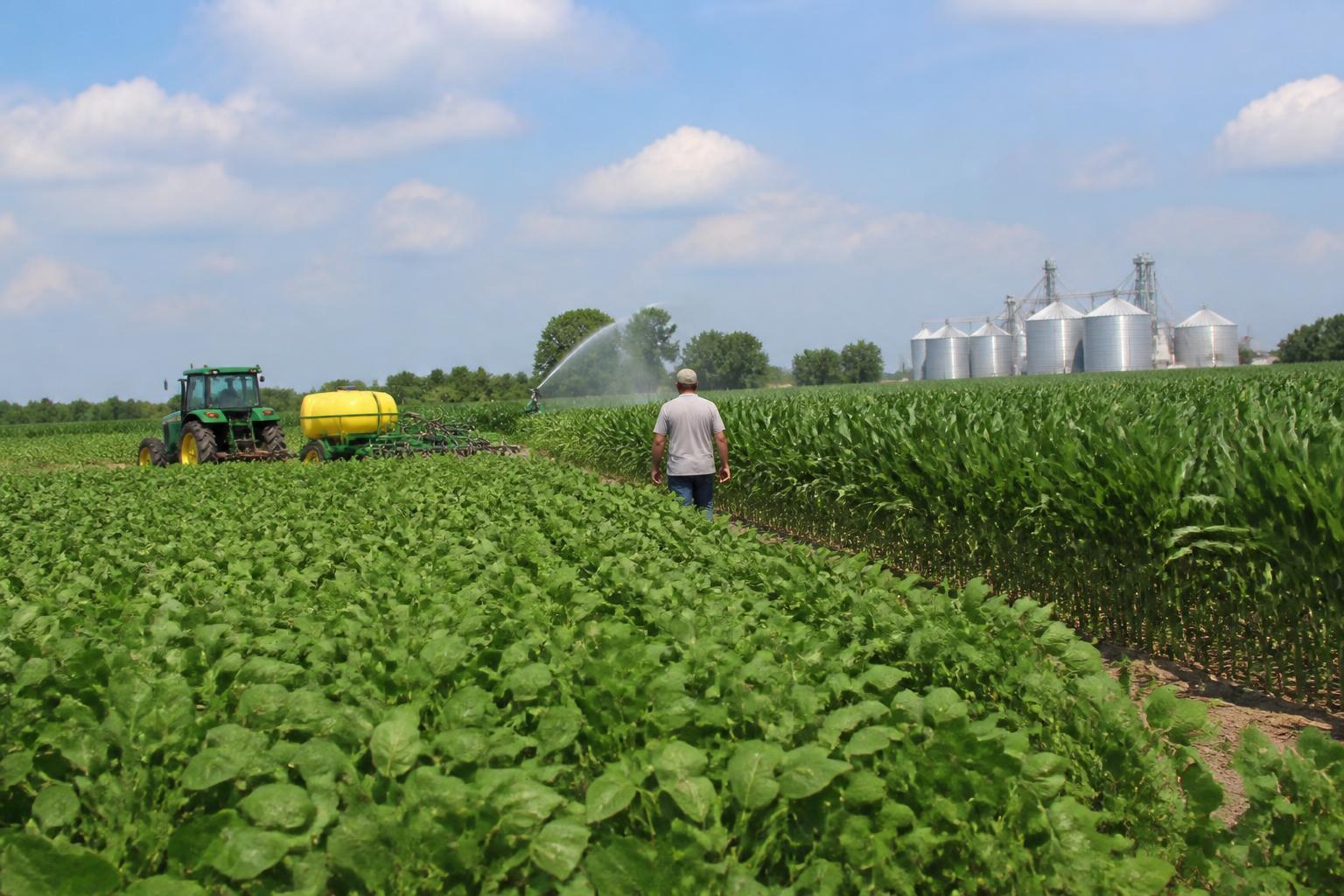
As Indiana producers look toward the mid-summer development phase, the state's agricultural infrastructure is receiving a notable boost. Recent capital commitments to grain handling facilities at key ports are signaling a strategic shift in how bulk commodities are moved from the farm gate to international markets. These investments aim to modernize local logistical capacity and provide greater efficiency for grain elevators managing high volumes during peak periods.
Expanding Port Throughput
Large-scale infrastructure projects, such as the new grain handling capacity at the state's largest ports, reflect a concerted effort to support the competitive position of Indiana-grown corn and soybeans. For many local operators, these enhancements are expected to reduce bottlenecks that often plague the supply chain during the transition from storage to shipping. As Indiana infrastructure shifts, stakeholders are increasingly focused on how these centralized improvements influence local basis levels and truck turnaround times.
Market Integration and Efficiency
Beyond physical port expansion, the integration of new technology and processing facilities continues to reshape the landscape. The growth of specialized processing hubs, such as milk facilities and upgraded export terminals, demonstrates the diverse nature of the state's agricultural output. These developments often go hand-in-hand with logistical improvements, ensuring that raw inputs and finished products can transit the state's highway and rail corridors with fewer interruptions. For more insight on how these changes impact regional logistics, operators may want to evaluate Indiana ag logistics and harvesting strategies as the season progresses.
What it means for the market
The cumulative effect of these investments is a more resilient supply chain that may offer farmers better flexibility in managing storage and delivery schedules. While local market conditions remain subject to global price volatility and input costs, the expansion of regional export capacity helps ensure that Indiana commodities remain accessible to buyers despite shifting international demand. Keeping a close watch on regional handling capacity will be vital for any agribusiness planning for the next harvest cycle.
Comments
No comments yet - be the first to share your take.