
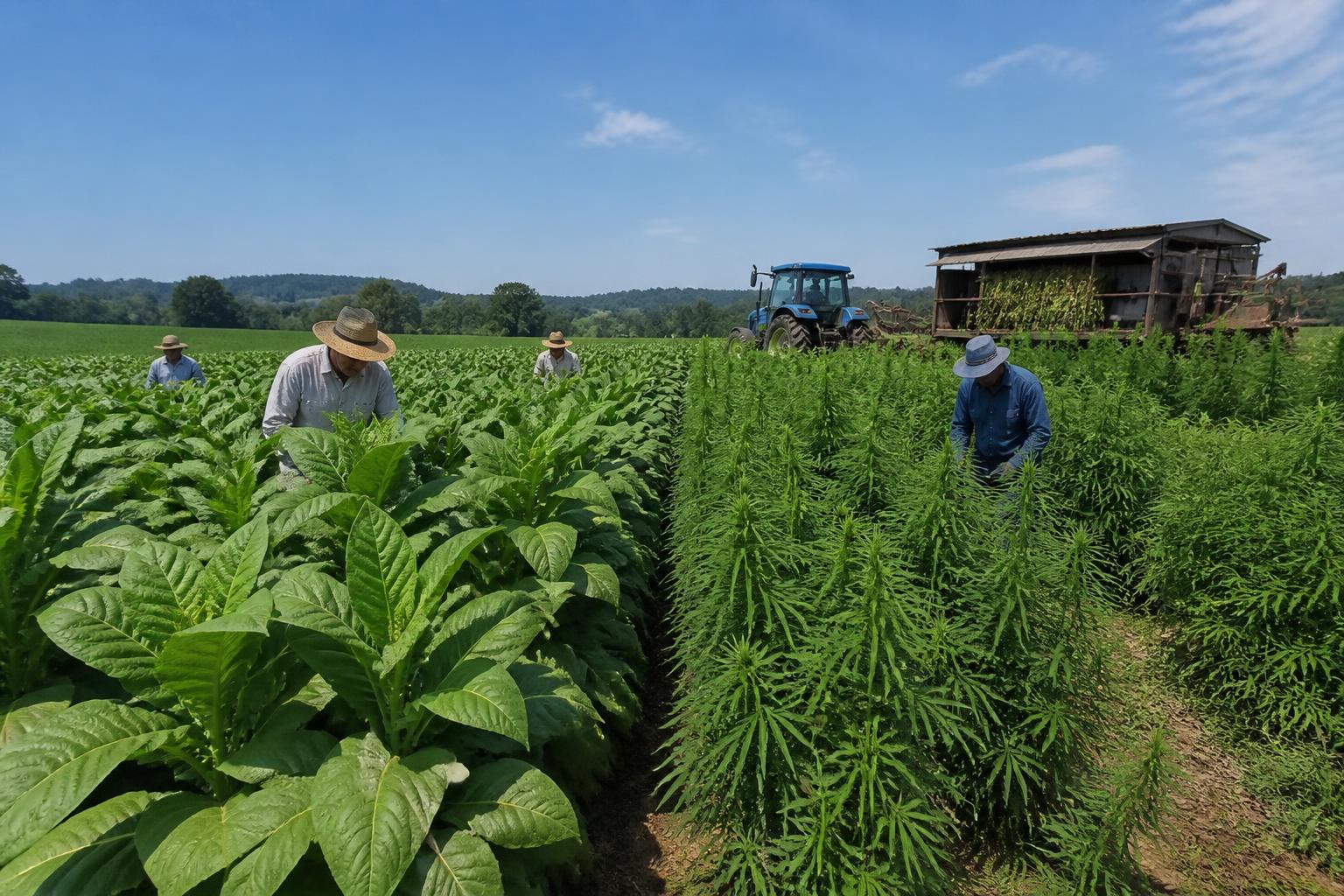
With the summer heat intensifying across Kentucky fields, producers and elevator managers are shifting their focus toward upcoming harvest logistics and storage decisions. For many in the Commonwealth, the question of whether to sell at the elevator or hold grain for a later window depends heavily on local basis trends and the cost of managing operational storage capacity.
Understanding the current Kentucky grain market outlook is essential as regional infrastructure often experiences bottlenecking during peak harvest weeks. While some farmers may be tempted to move grain directly from the combine to the truck to save on handling, others are reassessing their bin space and potential basis improvement before making a final commitment to their marketing plan.
Evaluating Storage Economics
The decision to store grain is often influenced by more than just future price projections. It requires a hard look at local basis—the difference between the cash price at a local facility and the Chicago Board of Trade futures price. When basis is weak at harvest, holding grain can sometimes pay off, provided the producer has the proper drying and storage infrastructure to maintain grain quality throughout the cooling season.
Infrastructure and Operational Resilience
Effective management is not just about the grain itself but also the efficiency of the local supply chain. As seen in recent Kentucky fertilizer and input market updates, infrastructure investment remains a key driver for regional competitiveness. Producers who invest in efficient handling systems are often better positioned to wait out unfavorable basis levels, allowing them to capture higher prices later in the marketing year when elevator demand increases.
What it means for the market
For Kentucky agribusinesses and grain handlers, the current environment emphasizes the value of operational flexibility. Those with the capacity to store and monitor grain quality are generally better equipped to navigate market volatility, while those reliant on immediate delivery may face increased pressure from regional logistical constraints. Monitoring local basis closely and maintaining clear communication with regional grain elevators remains the most reliable strategy for maximizing returns this season.
Comments
No comments yet - be the first to share your take.