
Mid-summer in Missouri brings a critical focus on crop maintenance and long-term planning for the remainder of the season. Producers across the state are currently balancing the demands of high-intensity field management with broader market pressures that continue to influence profitability. From monitoring crop stages to evaluating potential shifts in logistics, the Missouri agricultural sector remains focused on resilience in a tightening economic environment.
Navigating Market Dynamics and Policy Advocacy
Market analysts often point out that local grain buyers and sellers in Missouri are keeping a close watch on legislative developments that could impact commodity demand. Discussions concerning the expansion of E15 fuel availability have gained traction, with advocates suggesting that such a move could provide a necessary boost to local corn markets. For growers, these policy-level shifts are increasingly tied to their bottom lines, influencing planting decisions and strategies for managing fixed costs throughout the summer.
Furthermore, concerns regarding input costs persist. Some producers have expressed frustration over the current fertilizer market landscape, leading to ongoing calls for increased oversight of industry practices. These pressures make it essential for farmers to utilize data-driven insights to manage their operations effectively despite external market volatility.
Technology and Resilience in the Field
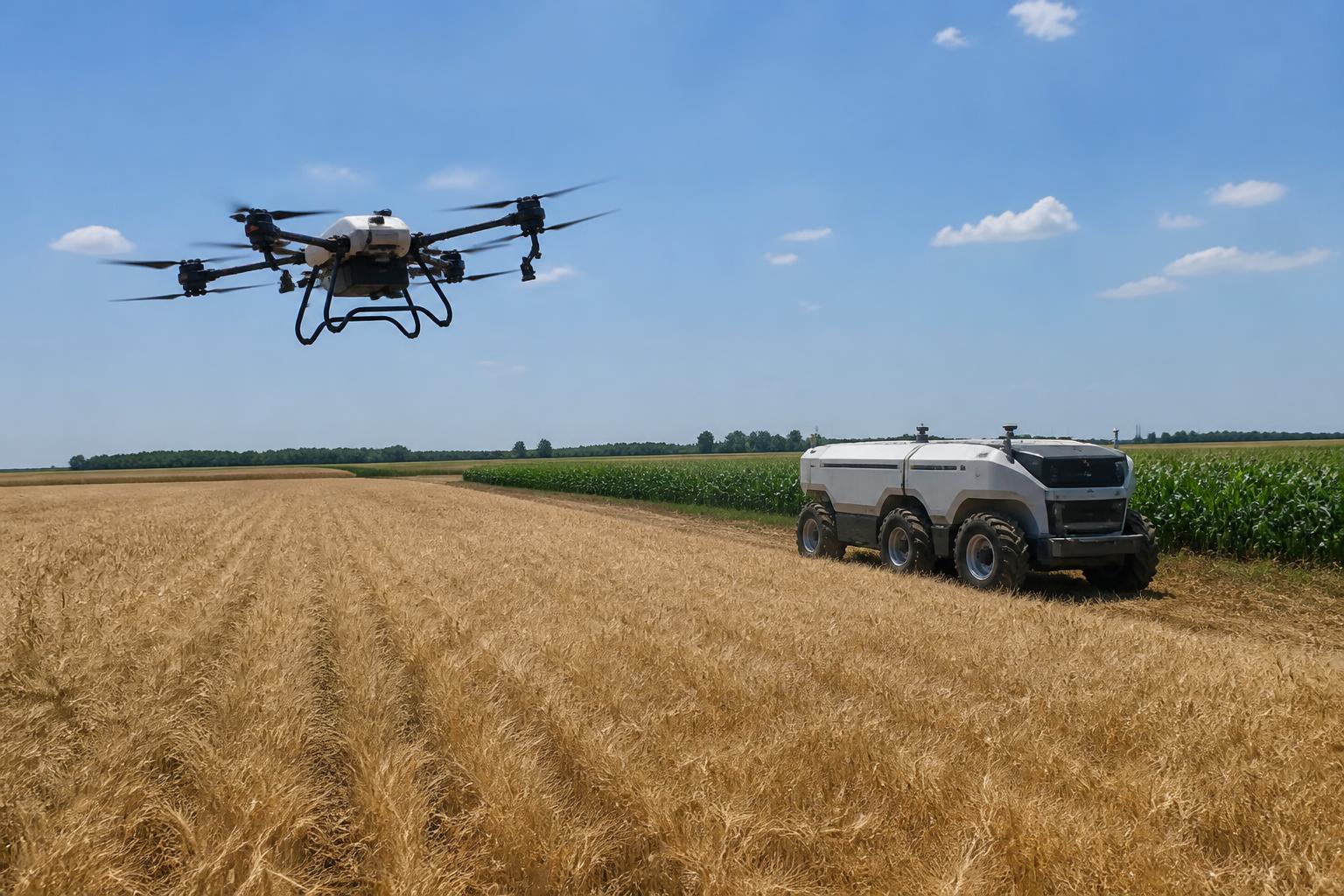
As summer field work continues, the adoption of precision technology is becoming a standard tool for many. Whether it is utilizing drones to monitor crop health or engaging with new research on variety selection, the focus remains on boosting output efficiency. These tools are often vital for those looking to stay resilient in a tough 2025 landscape, providing the tactical edge needed to manage variables during the growing season.
What it means for the market
For the Missouri agribusiness community, the path forward is defined by a combination of grit and data-driven management. As we move through July, keeping an eye on legislative updates and leveraging precision tools will be key to managing risk. While the broader logistics and input sectors face ongoing headwinds, producers who prioritize operational efficiency and stay informed on regional market shifts are better positioned to navigate the current climate successfully.
Comments
No comments yet - be the first to share your take.