
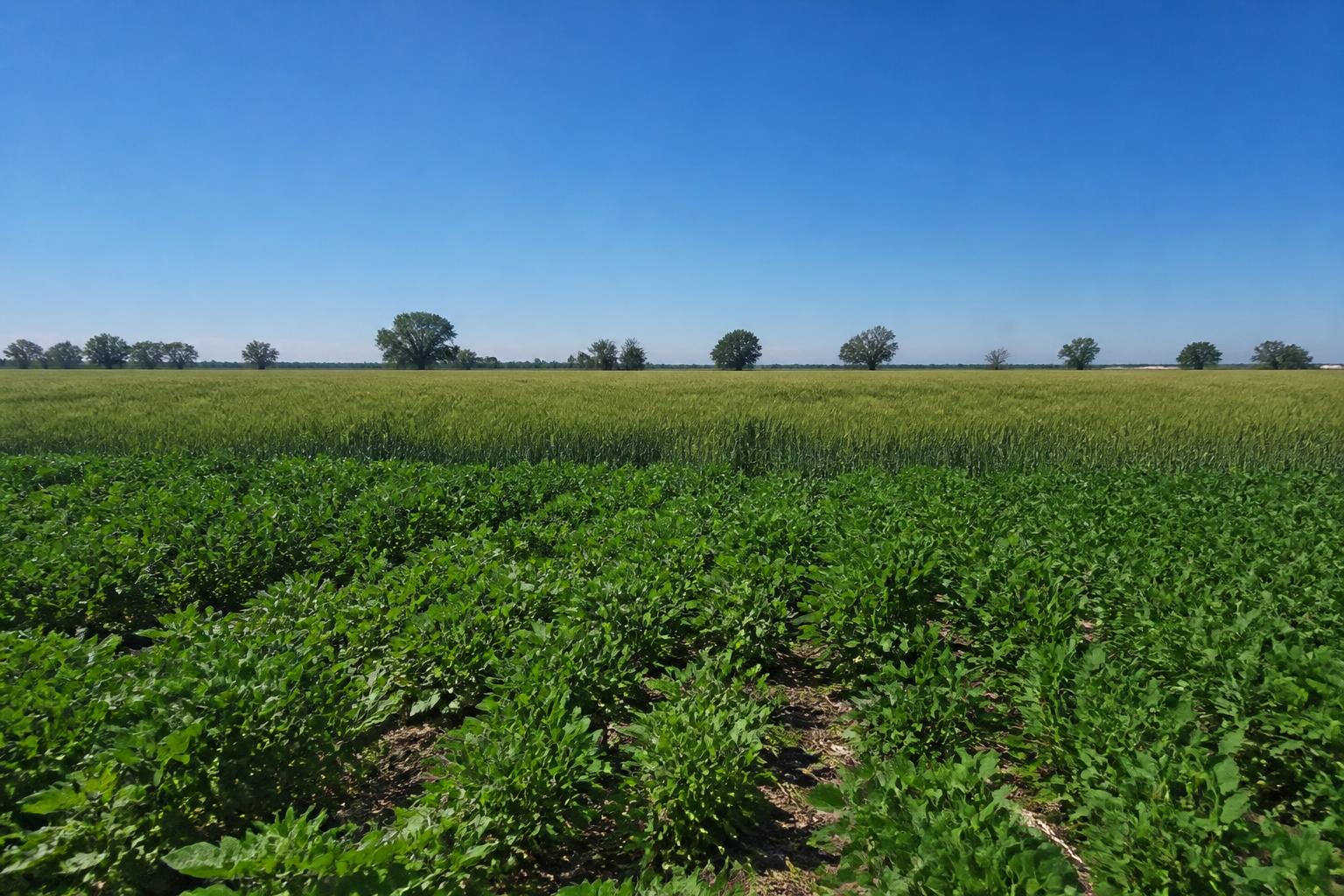
Mid-summer in Texas brings a unique set of challenges and opportunities for agricultural producers and grain handlers. With the harvest cycle moving through different regions of the state, logistical efficiency remains at the forefront of operational planning. Producers are currently balancing the complexities of seasonal grain transport with shifting market conditions that impact everything from localized storage needs to long-term logistics planning.
Infrastructure remains a critical point of focus for the Texas agricultural sector. Recent industry discussions regarding potential port development projects highlight the ongoing effort to modernize export capacity, which may eventually streamline how grain moves through major coastal hubs. As stakeholders assess these developments, many are also looking at how broader infrastructure and supply chain shifts influence regional movement patterns during peak harvest windows.
Navigating Market and Supply Chain Pressures
Beyond physical infrastructure, producers continue to monitor how global and regional trade factors affect their bottom line. The movement of commodities across borders is rarely static, and recent discussions regarding cattle trade demonstrate the interconnected nature of regional agriculture. Maintaining efficient flow through these corridors is vital, as any disruption in transit can ripple across the state's supply chain and input procurement strategies.
For those managing grain at the elevator or transport level, the focus remains on reliability. While specific seasonal bottlenecks are common during this time of year, effective coordination between rail, trucking, and regional ports can often mitigate the impact of capacity constraints. Farmers are encouraged to maintain close communication with their buyers and transporters as harvest volumes vary by region.
What it means for the market
For Texas agribusinesses, the current climate reinforces the need for agility. While large-scale infrastructure projects suggest potential long-term benefits for export efficiency, the immediate reality requires a careful approach to current transport limitations. Staying informed on regional terminal status and anticipating potential seasonal slowdowns will remain essential for maximizing margins during the remainder of the summer months.
Comments
No comments yet - be the first to share your take.