
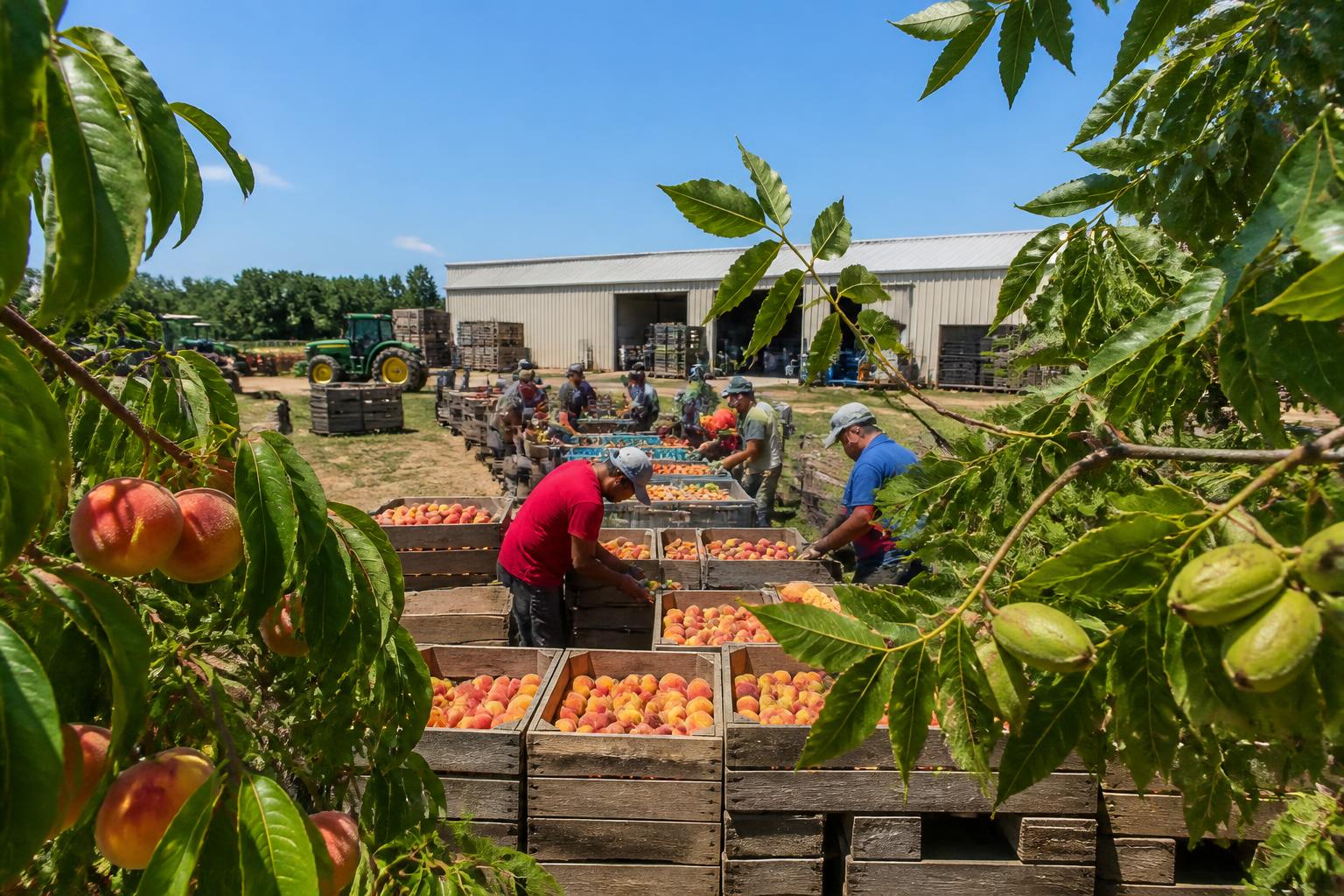
Mid-summer in Georgia brings a complex set of challenges for the agricultural supply chain. With peak field activity underway, the movement of goods requires precise coordination between local producers, regional processing facilities, and the major transit arteries that keep the state's economy moving. For those managing grain, specialty crops, or dairy output, the pressure on transportation infrastructure remains a constant variable throughout these warmer months.
As farmers navigate these high-demand periods, the significance of efficient logistics and input management becomes increasingly clear. Whether moving inputs into rural counties or coordinating the outbound flow of commodities, the state's expansive road network continues to serve as the backbone for operational success. Ensuring that transport partners are aligned with harvest timelines and processing schedules can often help mitigate potential bottlenecks before they impact the bottom line.
Optimizing Regional Transit Hubs
The role of Georgia as a central player in agricultural export remains a key focus for logistics managers. Proximity to major ports and interstate corridors often dictates the competitive edge for local agribusinesses. As seasonal movement intensifies, those relying on specialized transit services are looking closely at how consolidation in the transport sector—such as recent acquisitions within the regional trucking market—may influence service availability and rate stability in the coming months.
Labor and Facility Coordination
Beyond the asphalt, effective logistics are heavily dependent on the steady flow of human capital and facility preparedness. From the H-2A program's role in filling essential field roles to the ongoing development of new agricultural infrastructure in rural areas, the human and physical components of the supply chain must work in tandem. Producers are finding that clear communication regarding delivery windows and facility capacity is essential, especially as they manage the logistical demands of the current season.
What it means for the market: The current landscape demands a proactive approach to transport planning. For farmers and handlers alike, success this summer hinges on anticipating regional transit pressures, keeping a close eye on service provider capacity, and maintaining flexibility as commodity movement hits its stride across Georgia's diverse agricultural landscape.
Comments
No comments yet - be the first to share your take.