
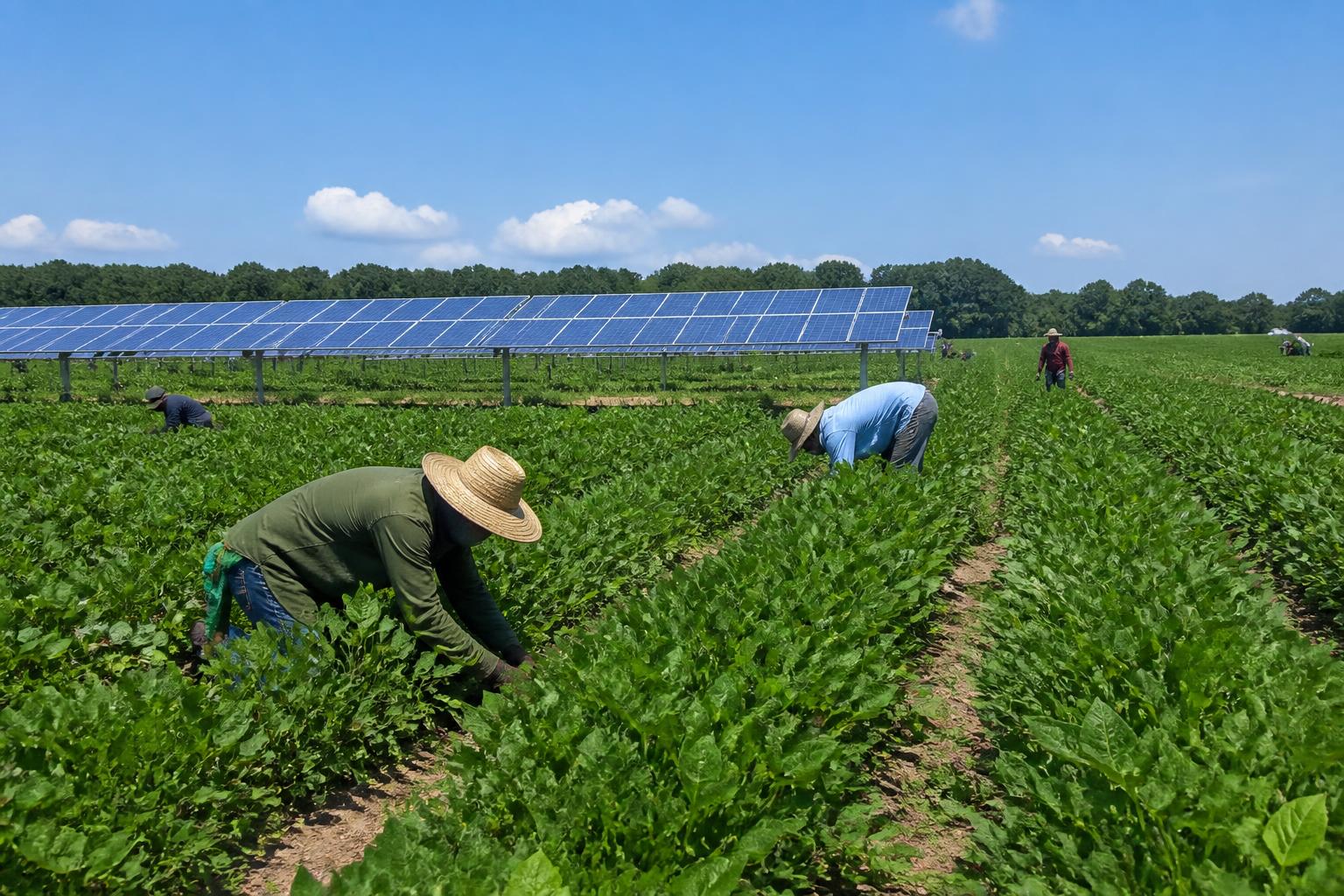
Mid-summer in Georgia brings a unique set of challenges for the state's agricultural backbone. As fields across the region move through critical growth stages, growers are keeping a close watch on both local infrastructure and the broader economic headwinds that influence daily operational costs. Efficient movement of commodities from the farm gate to regional processors and coastal hubs remains the priority for many handlers navigating the current season.
Input Markets and Operational Costs
With the recent expansion of local agribusiness footprints through regional acquisitions, farmers are evaluating their supply chains for fertilizer and essential crop inputs. Staying ahead of supply fluctuations is vital, especially as potential volatility in fuel costs continues to linger in the background of transportation logistics. For those managing grain or specialty crops, understanding the local logistics nuances and maintaining strong relationships with reliable regional carriers can provide a necessary buffer against unexpected market turbulence.
Strategic Shifts in Regional Trade
Georgia's agricultural sector is also seeing increased attention on international partnerships, which may eventually create new pathways for local commodities. Recent high-level discussions focusing on expanding trade and bilateral cooperation highlight the ongoing efforts to bolster export potential. As these partnerships mature, they may offer additional outlets for Georgia's diverse agricultural output, provided that domestic transportation remains responsive to the needs of exporters and infrastructure demands.
What it means for the market
For Georgia agribusinesses, this period demands a dual focus: optimizing field-level input management and maintaining high-visibility logistics planning. As we progress further into summer, securing consistent transport capacity and monitoring the influence of energy prices on trucking rates will remain the most practical path toward protecting margins. Proactive coordination with local elevators and transport providers should be the standard practice for any operation looking to minimize friction during the busy harvest months.
Comments
No comments yet - be the first to share your take.