
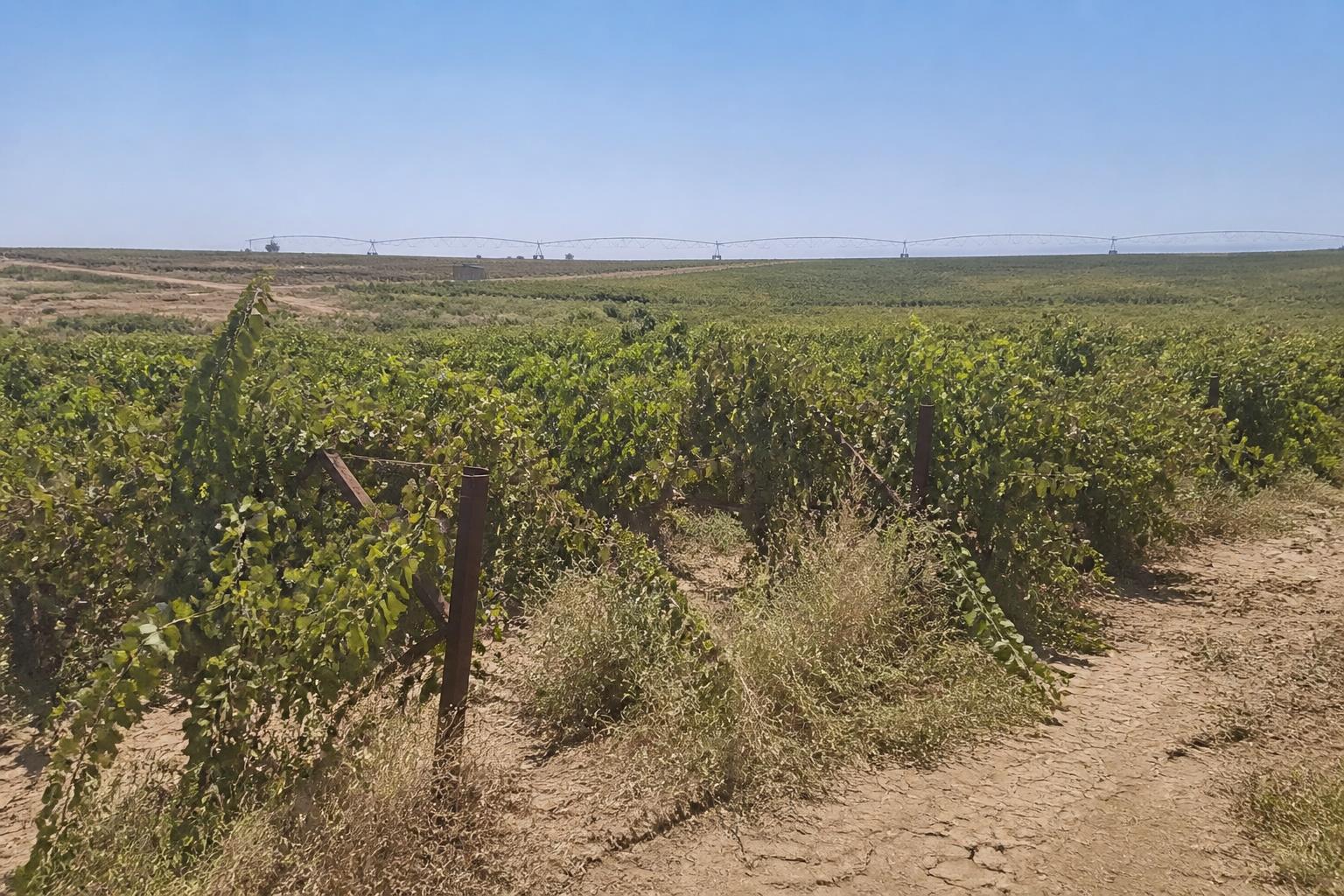
California producers are navigating a challenging mid-summer season, where the primary constraints on production and movement remain closely tied to water reliability and regional infrastructure. As the state moves further into the high-heat window, the pressure to optimize water usage across permanent and row crops continues to shape logistical planning for grain handlers and farmers alike. Maintaining soil and water health has become a critical operational pillar, often dictating the timing of harvest activities and field-to-storage transport.
Water Constraints and Land-Use Shifts
The long-term outlook for California agricultural land remains a point of concern for agribusiness stakeholders. With ongoing discussions regarding the conversion of traditional farmland, local grain and commodity markets are adjusting to evolving regional land-use patterns. These shifts, paired with current water availability, have prompted producers to focus more heavily on resource-efficient operations. For many in the Central Valley, managing the intersection of irrigation requirements and harvest-ready acreage is essential to maintaining profitability in a tightening market.
Market Outlook and Supply Chain Pressures
Input markets and logistical pipelines are also under scrutiny as producers plan for the coming months. Efficient management of crop protection and input inventories remains a priority for those looking to offset current margin pressures. Whether operating in regions heavily concentrated in specialty crops or those maintaining steady grain production, the ability to maneuver around existing supply chain constraints is vital. Growers are increasingly looking for ways to maximize the efficiency of their local agricultural supply chain to ensure that product moves from the field to the buyer without unnecessary delay.
What it means for the market
The current agricultural climate in California underscores the need for proactive logistics. For carriers and grain elevators, the combination of mid-summer demand and infrastructure constraints necessitates a high level of coordination. As stakeholders continue to analyze regional grain and crop market trends, the focus remains on leveraging available infrastructure to mitigate the impact of water and land-use headwinds, ensuring that producers can remain competitive throughout the remainder of the summer season.
Comments
No comments yet - be the first to share your take.