
Managing Mid-Summer Field Challenges
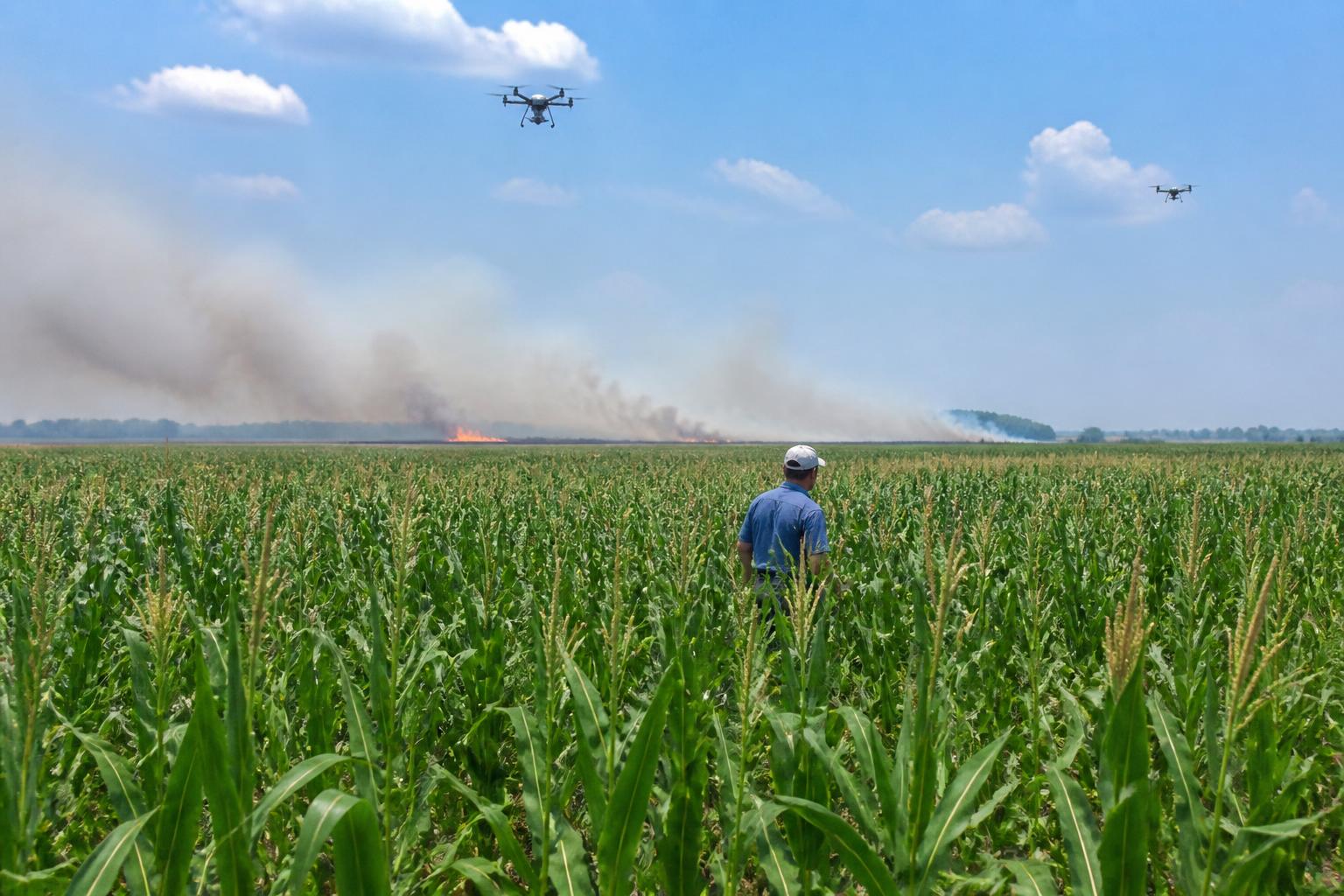
As the peak summer heat settles over Louisiana, agricultural producers are facing a complex array of production hurdles. From the northern parishes to the southern delta, dry and windy conditions have increased wildfire risks, complicating routine field operations and farm maintenance. Beyond weather, farmers continue to contend with significant biological pressure, notably from feral hog populations, which remain a persistent threat to crop integrity and profitability across the state.
For those focused on high-yield production, the focus remains on the foundational elements of crop success: water management, nitrogen applications, and maximizing solar interception. While recent advancements in crop protection and pest mitigation provide some support, the intensity of this year's environmental volatility requires a more vigilant approach to integrated pest management and resource allocation.
Navigating Market Data and Logistics
Grain handlers and agribusinesses throughout the state are reporting a heightened focus on market transparency. With global tensions and domestic logistical constraints impacting input costs, particularly for fertilizers, growers are increasingly looking for reliable data to inform their mid-summer grain marketing strategies. The ability to access accurate, real-time basis levels and local cash bids has become an essential component of daily decision-making for elevators and producers alike.
Furthermore, local supply chain participants are monitoring shifts in regional climate zones, as updated USDA plant hardiness data suggests long-term adjustments to traditional planting windows may be necessary. This, combined with ongoing research into stress-tolerant wheat varieties specifically engineered for the humid, often wet southern environment, marks a significant shift in how Louisiana prepares for future harvest cycles.
What it means for the market
For Louisiana farmers and grain handlers, the current landscape demands a disciplined approach to risk management. As producers continue to evaluate local grain prices and buyer activity, the combination of elevated input costs and unpredictable environmental factors underscores the need for agility. Success this season will likely depend on maintaining robust communication channels with local elevators and leveraging localized data to offset broader economic uncertainty.
Comments
No comments yet - be the first to share your take.