
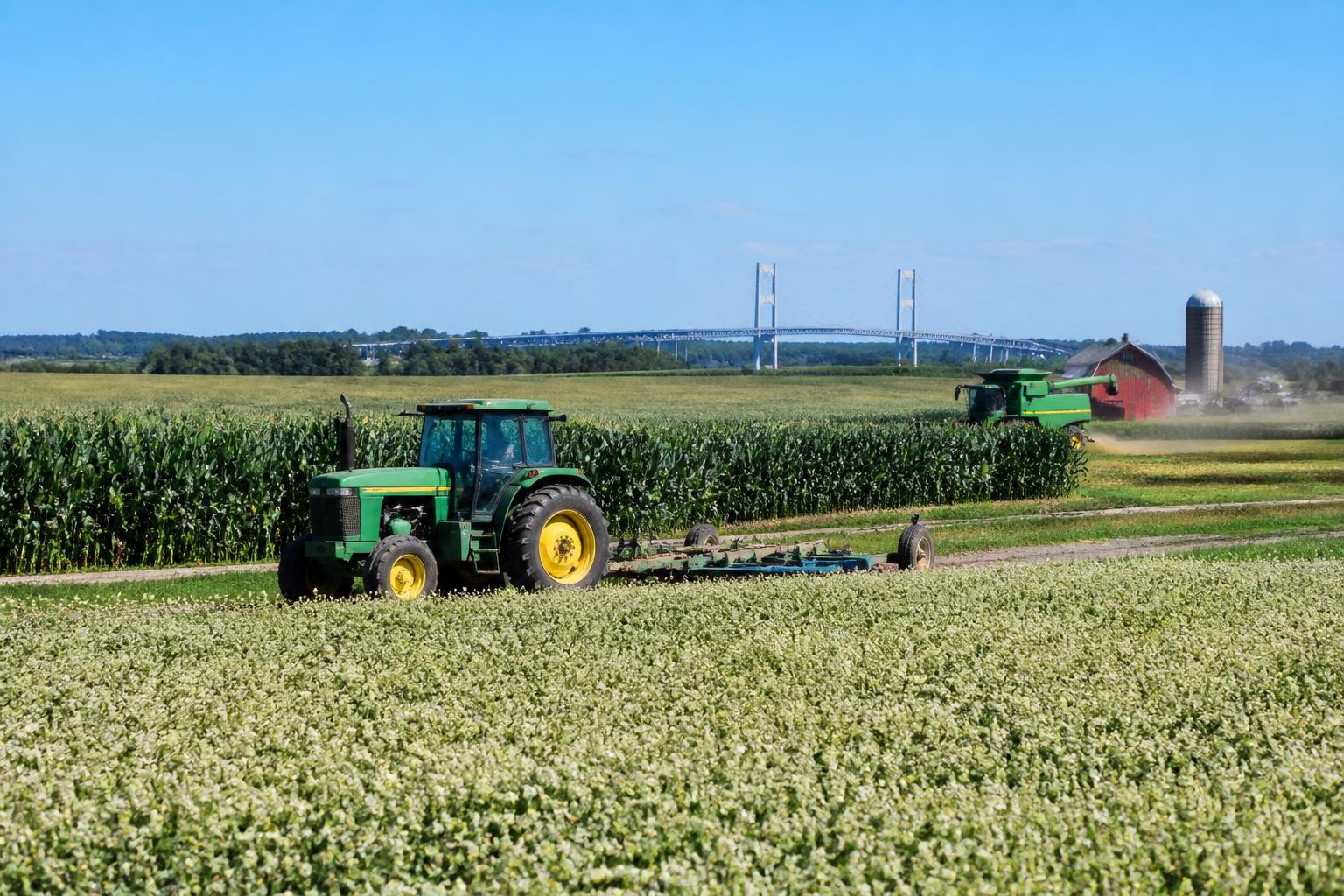
As mid-summer fieldwork continues across Michigan, regional grain handlers and producers are keeping a close eye on logistics improvements that could impact the upcoming harvest season. The opening of the Gordie Howe International Bridge, scheduled for late July, serves as a significant focal point for the state's agricultural supply chain. By providing an additional high-capacity corridor for international trade, this infrastructure development is anticipated to facilitate smoother transit for grain and commodity exports moving into the Canadian market and beyond.
Navigating Market Dynamics and Export Trends
The state's agricultural sector is currently operating within a complex economic landscape. While some producers have navigated volatility in the Michigan grain market, local agribusinesses continue to adapt to changing export conditions. Market participants are balancing these macro-level headwinds with localized operational updates, such as the recent consolidation of grain handling facilities, which may shift local delivery points for many farmers.
Managing Field Health and Operational Efficiency
With summer heat fully established, field management remains a priority. Ensuring crop health against emerging threats is essential for maintaining yield potential. For many growers, this period is critical for monitoring conditions that could impact late-season quality. Staying informed on grain buyers and competitive price points in Michigan can help producers make more informed decisions regarding their marketing strategies as the transition to the fall harvest window begins.
Producers are also evaluating participation in various sustainability-focused incentives, which continue to gain traction as new federal rules and private initiatives look to support regenerative practices. These programs may offer supplemental support, provided they align with individual farm objectives and long-term land management goals.
What it means for the market
The combination of improved border infrastructure and local consolidation suggests that logistics efficiency will be a key differentiator for grain profitability this year. As infrastructure projects come online, farmers and carriers should expect potential adjustments to regional traffic patterns, particularly near major corridors. By keeping a sharp focus on local elevator capacity and leveraging available price data, stakeholders can better position themselves to mitigate the impact of fluctuating export environments and maximize returns during the busy months ahead.
Comments
No comments yet - be the first to share your take.