
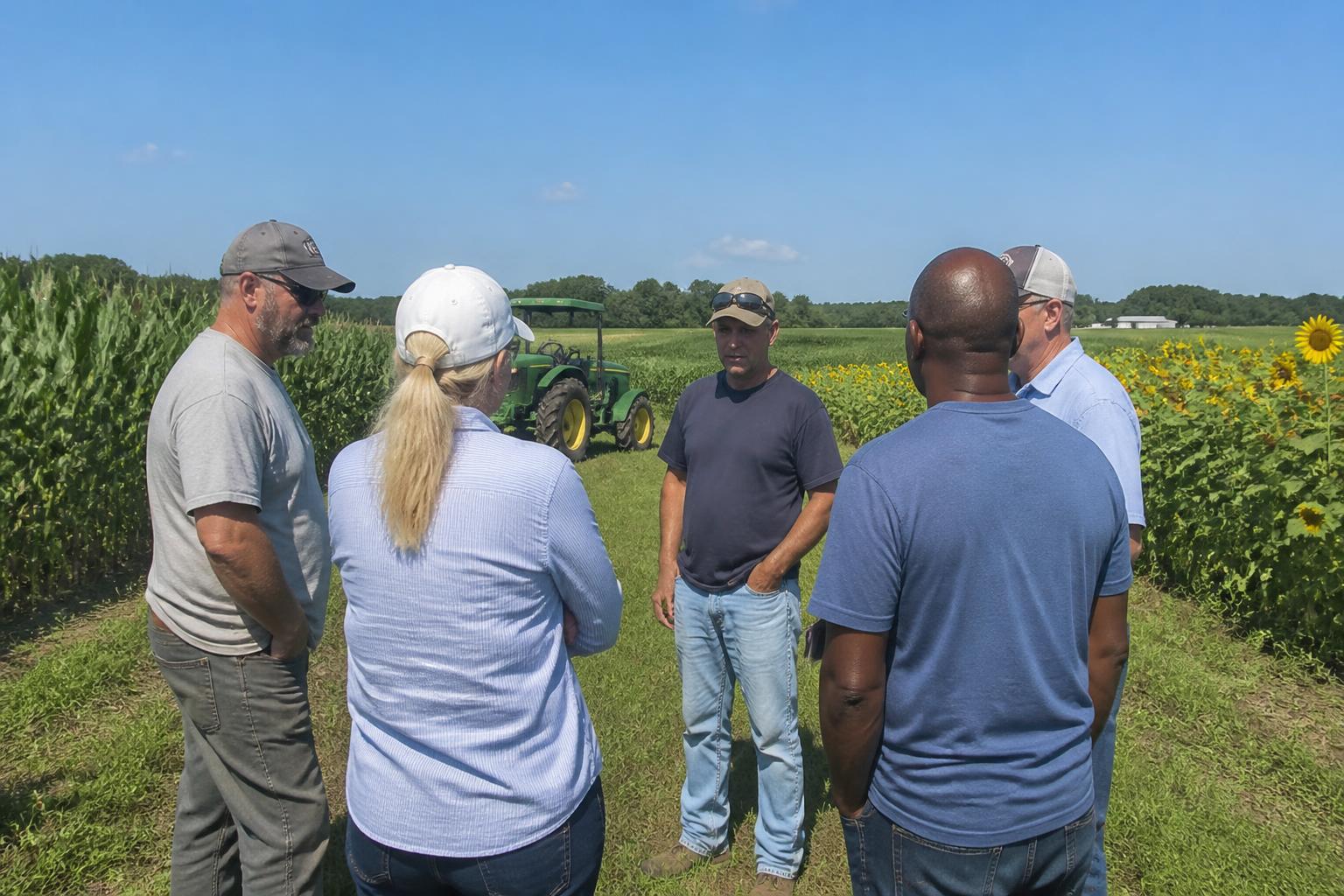
Focusing on Efficiency During the Growing Season
As the summer heat intensifies across Indiana, producers are turning their attention toward long-term management of operational expenses. With market volatility remaining a constant, understanding the intersection of input costs and yield potential is critical. Many operations across the state are re-evaluating their mid-season logistics and production strategies to ensure that every input dollar is justified by expected crop performance.
Maintaining soil health and crop vigor during these peak weeks often involves careful monitoring of resource allocation. Whether navigating the complexities of fertilizer application or managing moisture levels, Indiana farmers are increasingly leveraging data-driven approaches to mitigate unnecessary expenditures. The goal is to avoid the common pitfall of over-investing in late-season treatments that may not provide the necessary return on investment.
Strategic Marketing in a Volatile Climate
Beyond the field, the volatility of global commodity markets continues to impact local bottom lines. Experts at Purdue University have long emphasized the need for disciplined crop marketing plans that move beyond simple price watching. By focusing on supply chain economics rather than political rhetoric, producers can often identify localized opportunities to lock in value for their grain.
This is particularly relevant for grain handlers and elevators throughout the state, as they manage the seasonal pressure of infrastructure demands. Strengthening regional port capacity and optimizing transportation routes are vital components of ensuring that Hoosier grain reaches its destination efficiently. For a deeper look at how regional upgrades are influencing current operations, see our recent report on infrastructure-driven logistics.
What it means for the market
For the Indiana agricultural community, the remainder of the summer will be defined by a focus on structural efficiency. By combining prudent cost management with a disciplined, research-backed marketing strategy, agribusinesses and farmers alike can better shield themselves from sudden shifts in the broader economy. Success in the current season requires a dual focus: maximizing the biological potential of the crop while maintaining a firm grip on the financial levers that dictate net income.
Comments
No comments yet - be the first to share your take.