
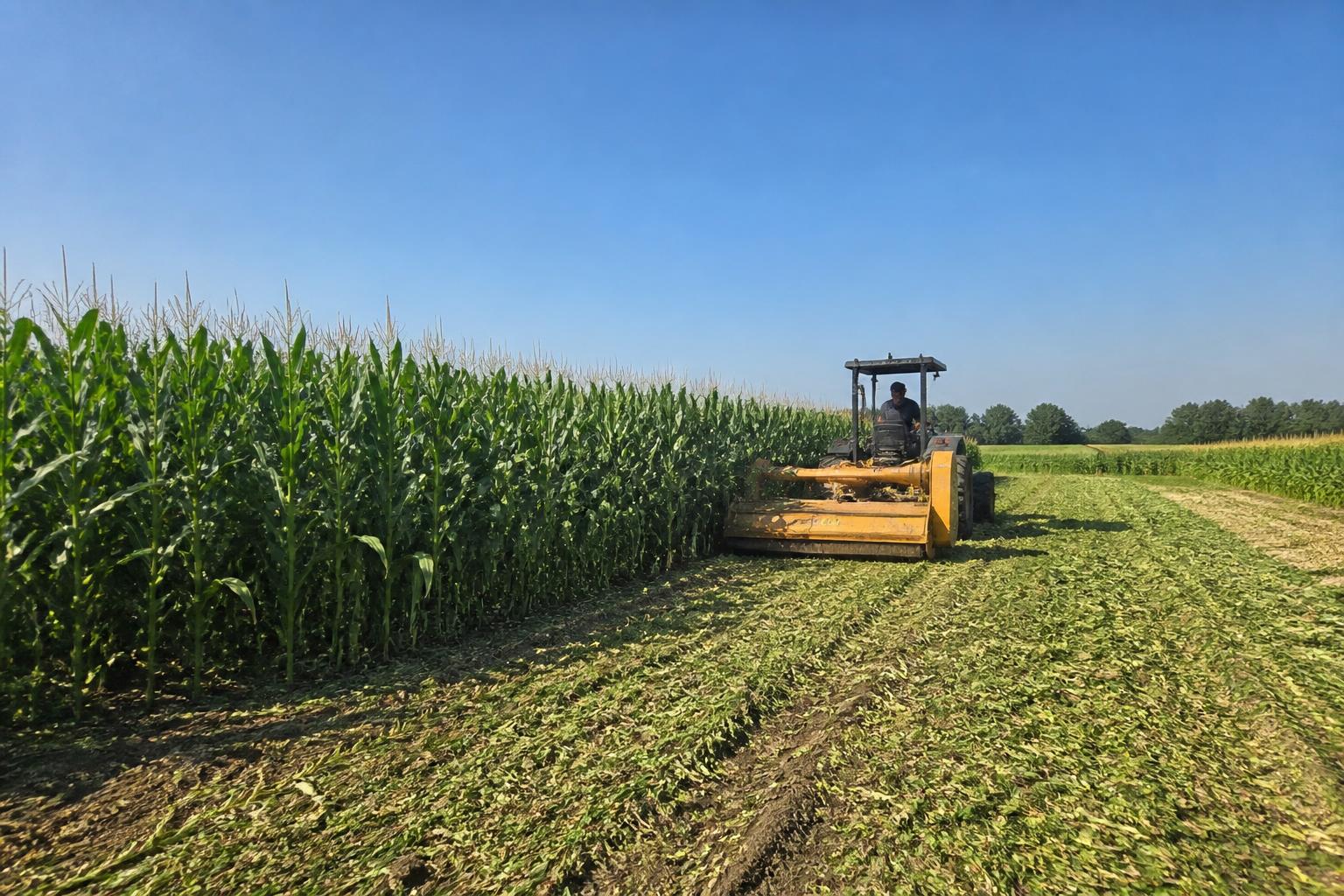
Mid-summer in North Dakota is a critical window for field management and logistical preparation. As producers across the Red River Valley and the western plains navigate the peak of the growing season, attention often shifts toward optimizing equipment performance and managing potential bottlenecks before the autumn rush. Ensuring that heavy machinery and transport assets are properly serviced during these warm months can be a decisive factor in maintaining operational flow.
Refining Your Input and Protection Strategy
The complexity of modern weed control continues to shift, particularly with evolving regulatory frameworks surrounding chemistry applications. Staying current on guidance for products like Dicamba is essential for long-term planning, especially as growers look ahead to the 2026 season. Effective crop protection requires a combination of vigilant scouting and a clear understanding of regional stewardship requirements to manage pressure while maintaining yield potential.
Infrastructure and Logistical Readiness
Beyond the field, the stability of the grain supply chain remains a priority for North Dakota agribusinesses. Seasonal shifts in traffic often highlight the need for flexibility in how producers move inputs and output. Whether addressing short-term storage constraints or evaluating long-term handling efficiencies, having a clear logistics roadmap helps mitigate the impact of transit hurdles that can emerge during harvest cycles.
What it means for the market
Market participants should keep a close eye on the intersection of infrastructure capacity and regulatory changes. As legislative and environmental standards shift, proactive management of supply chain inputs and grain movement can protect margins against volatility. For North Dakota farmers, the combination of robust education programs and strategic equipment utilization remains the best defense against regional logistical pressures.
Comments
No comments yet - be the first to share your take.