
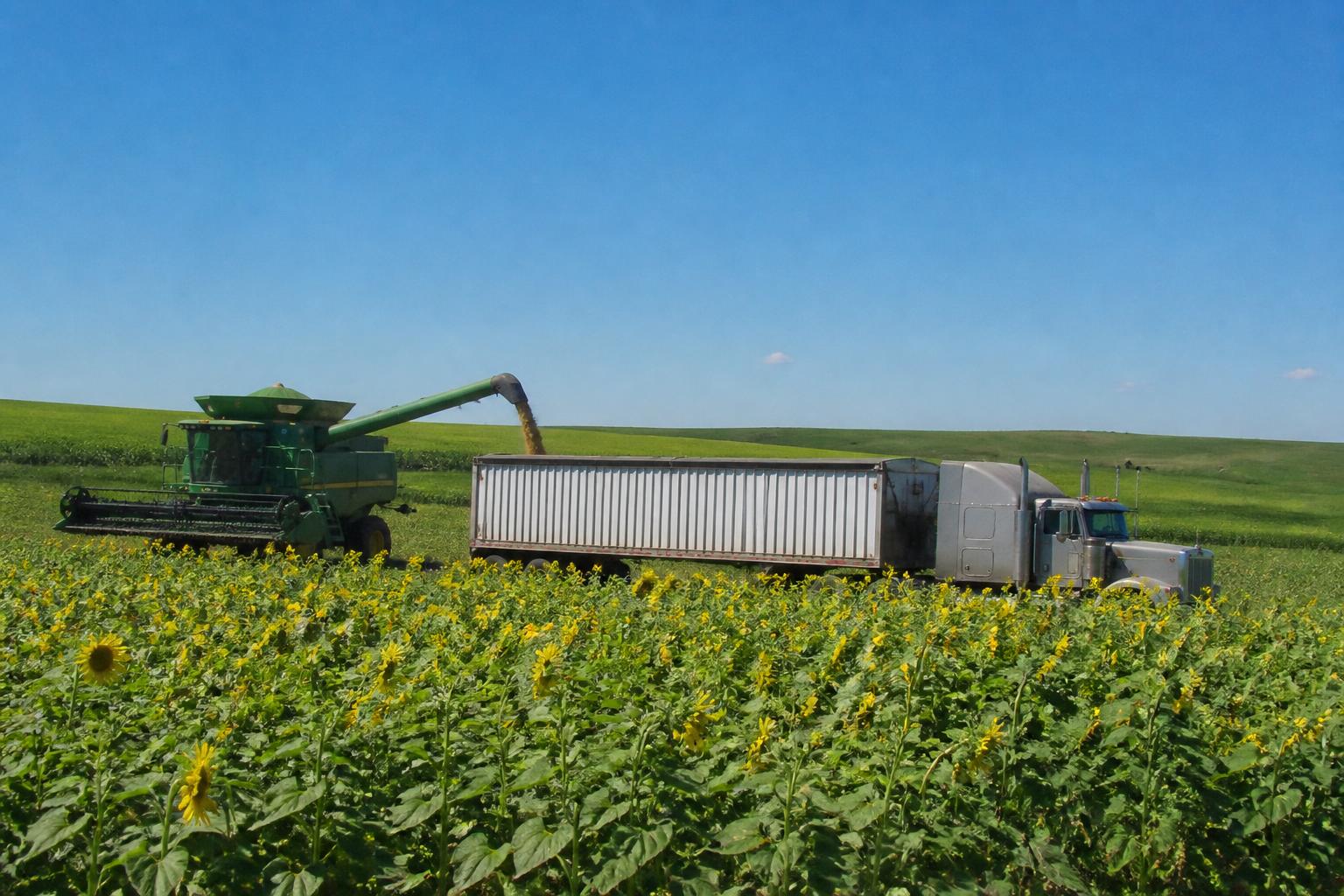
Mid-summer in North Dakota is a critical window for crop health. With crops in various stages of development, producers are increasingly focused on identifying and mitigating pressure from aggressive weed species. Recent reports confirming the presence of Palmer amaranth in additional counties serve as a stern reminder that maintaining effective scouting routines is essential for long-term field viability.
The efficacy of traditional chemical tools remains a primary concern for growers across the state. As some weed populations develop resistance, relying on a singular approach is often insufficient. Integrating multiple modes of action and staying informed on regional resistance trends are key strategies for those looking to shield their crops from late-season encroachment.
Legislative Support for Input Access
State-level initiatives continue to play a role in the agricultural landscape, with recent legislative developments aiming to protect grower access to essential crop protection tools. Maintaining the availability of these products is vital, as producers navigate an increasingly complex array of logistical and environmental challenges. Whether you are managing late-season weed pressure or preparing for the harvest, securing your input strategy remains a priority.
Innovation in a Changing Climate
Agribusinesses across the Northern Plains are keeping a close watch on how shifting environmental conditions and technological advancements influence farm management. From the deployment of precision aerial monitoring to the adoption of new, resilient crop varieties, the emphasis is on maintaining productivity in a variable market. Staying updated on the latest strategies for summer crop protection can provide a competitive edge as the season moves toward the fall months.
What it means for the market
The convergence of weed resistance challenges and the ongoing need for accessible crop protection technology suggests that producers who prioritize early detection and flexible application strategies will be better positioned to preserve their bottom line. While market volatility and supply chain pressures remain a constant in the current ag economy, proactive farm management is a reliable way to mitigate risk and ensure a more stable transition into the upcoming harvest season.
Comments
No comments yet - be the first to share your take.