
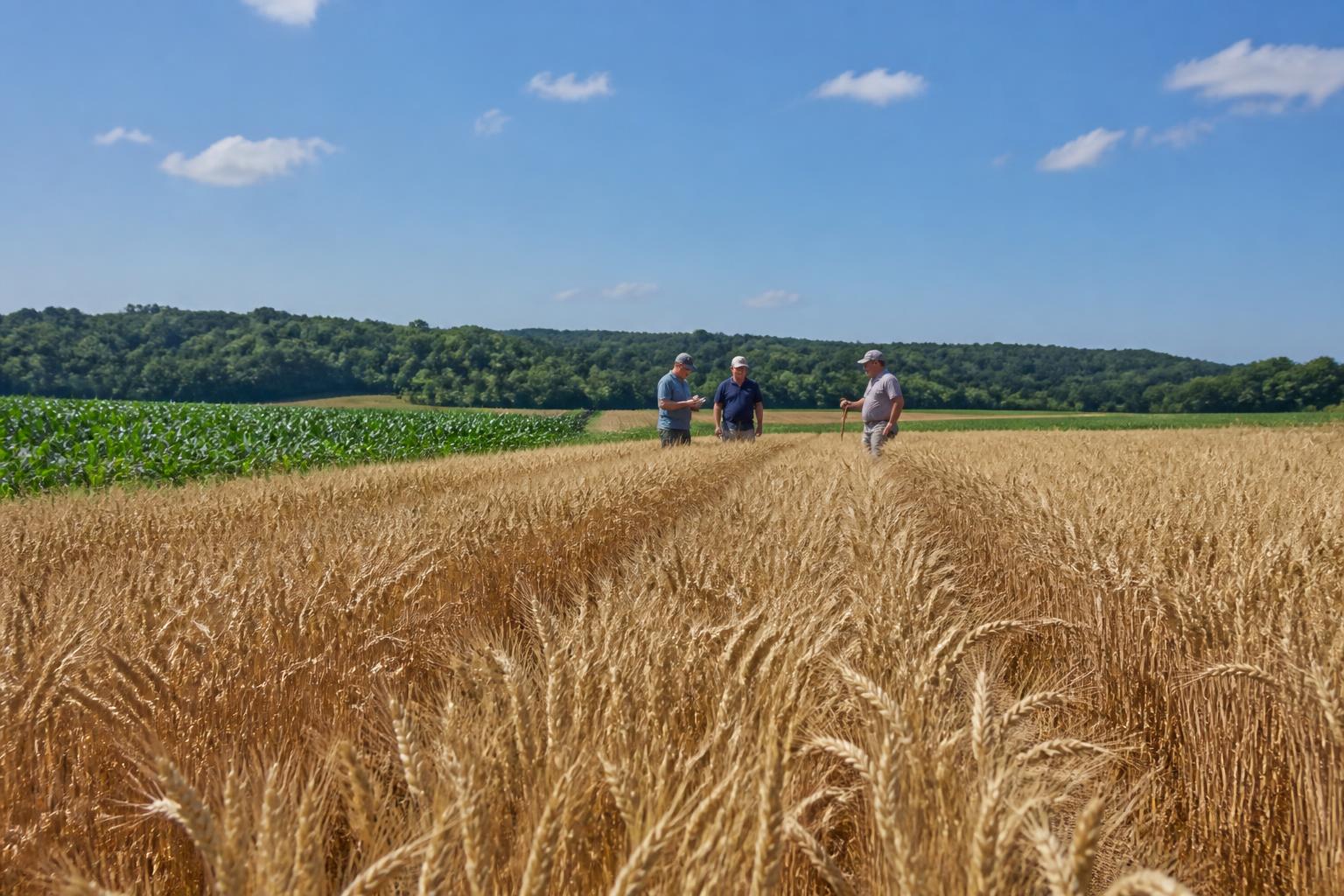
The Impact of Dry Weather on Missouri Wheat
As we move through the summer months, Missouri growers are grappling with the effects of inconsistent moisture levels. Recent reports indicate that dry weather patterns have weighed on wheat yields across several regions. For producers assessing their harvest progress, these conditions are often a critical factor in understanding the overall supply chain health before moving grain through Missouri grain buyer networks.
Trade Policy and Input Cost Concerns
Market uncertainty remains a primary theme for many Missouri agricultural operations. Recent discussions regarding potential shifts in tariff structures have raised concerns about how international trade dynamics could affect the stability of markets that local farmers heavily depend on. Furthermore, there is growing scrutiny regarding fertilizer pricing, with some stakeholders calling for greater transparency in market pricing mechanisms to ensure fairness for input buyers.
Managing Seasonal Logistics
Logistical efficiency is paramount during this volatile period. Producers often find that monitoring local terminal shifts can provide a competitive edge, especially when weather-related yield challenges demand more precise decision-making. Staying informed on Missouri grain logistics and terminal updates allows agribusinesses to better navigate the flow of commodities from field to facility.
Key Takeaways for Producers
- Monitor localized yield reports to adjust expectations for the remainder of the summer season.
- Keep a close eye on policy developments that could influence export demand and input pricing.
- Leverage regional logistics data to optimize grain movement and storage strategies during periods of market flux.
For those looking for broader insights on how state-level agricultural trends influence the bottom line, it is useful to review recent analysis on balancing efficiency and policy shifts this summer.
What it means for the market
The convergence of lower-than-anticipated yields and external market pressures suggests a season defined by risk management. Missouri growers and grain handlers should prioritize agility, focusing on data-driven marketing decisions and proactive logistics planning to mitigate the impacts of current environmental and economic variables.
Comments
No comments yet - be the first to share your take.