
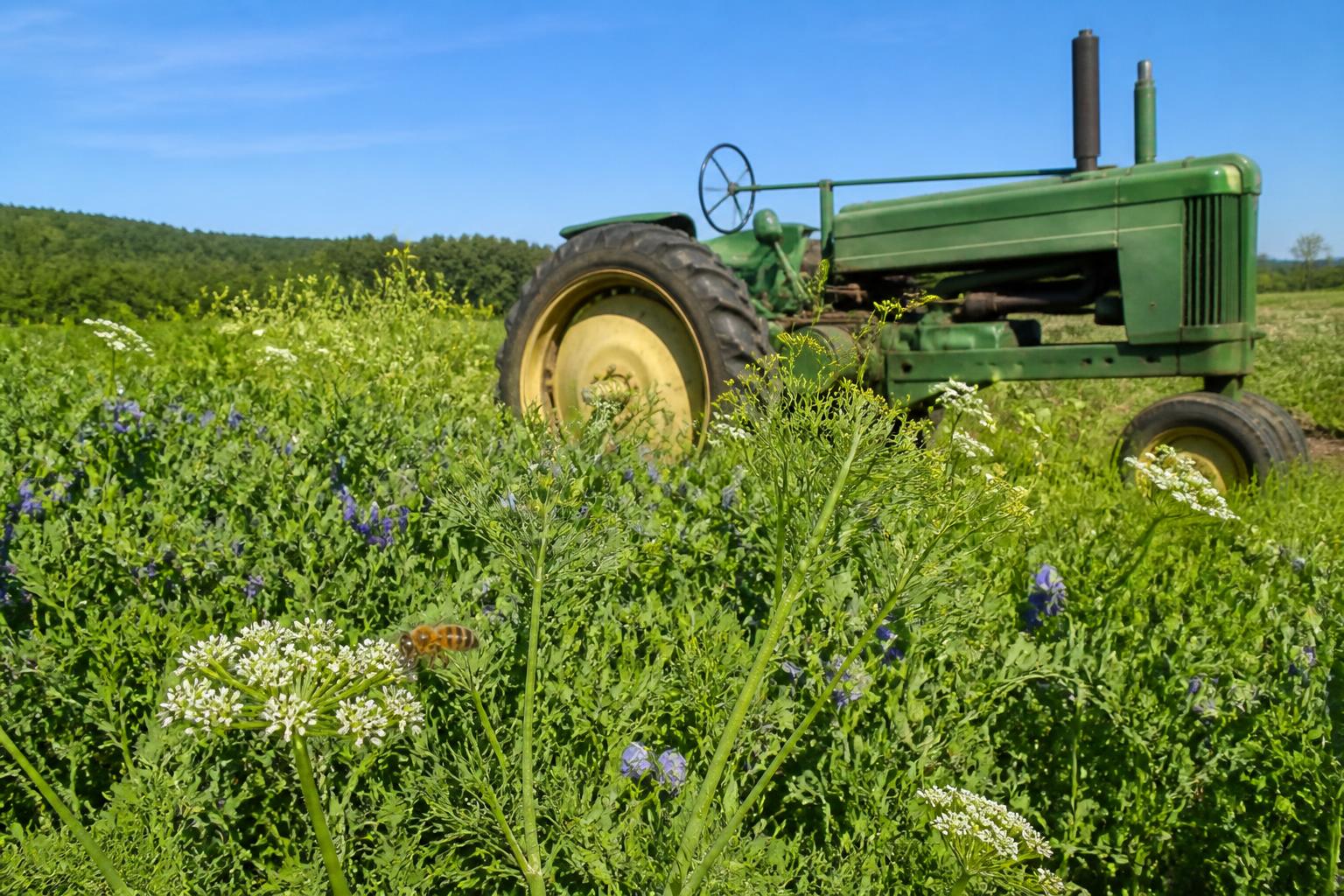
As we navigate the heart of the growing season, Massachusetts producers are placing a renewed emphasis on balancing immediate crop protection needs with long-term soil and ecosystem health. With mid-summer temperatures creating ideal conditions for certain pests and pathogens, the shift toward sustainable, cost-effective solutions has become a priority for regional growers.
Many operations across the state, from the fertile valleys to coastal plains, are re-evaluating their toolkits. Recent innovations in advanced crop protection technologies, such as biopesticides and biological consortia, are providing viable alternatives to traditional chemical applications, helping to manage risks while preserving essential pollinator populations.
The Rise of Biologically-Driven Strategies
The integration of nature-based solutions is gaining traction. Research continues to highlight the potential of seaweed-derived biostimulants, such as those based on Ascophyllum nodosum, to bolster plant resilience against abiotic stressors like extreme summer heat or variable moisture levels. By fortifying crop health at the cellular level, these applications may provide a necessary buffer before significant disease pressure manifests.
Data-Driven Disease Mitigation
Modern field management is increasingly dependent on agility and information. Beyond physical inputs, the adoption of digital monitoring systems is helping growers stay ahead of outbreaks. In some regions of Massachusetts, tracking early indicators of disease spread through localized reporting and field observations has become a critical standard for protecting harvest yields. This proactive approach minimizes the reliance on broad-spectrum interventions and optimizes the efficiency of targeted applications.
What it means for the market
For agribusinesses and local producers, the ongoing transition toward sustainable crop protection signals a shift in input procurement. Suppliers are seeing increased demand for specialized bioproducts that require precise handling and timing. For the farmer, this means that while initial integration may require updated training and closer field monitoring, the long-term potential for reduced input costs and more stable yields makes these strategies an essential consideration for the remainder of the summer cycle and beyond.
Comments
No comments yet - be the first to share your take.