
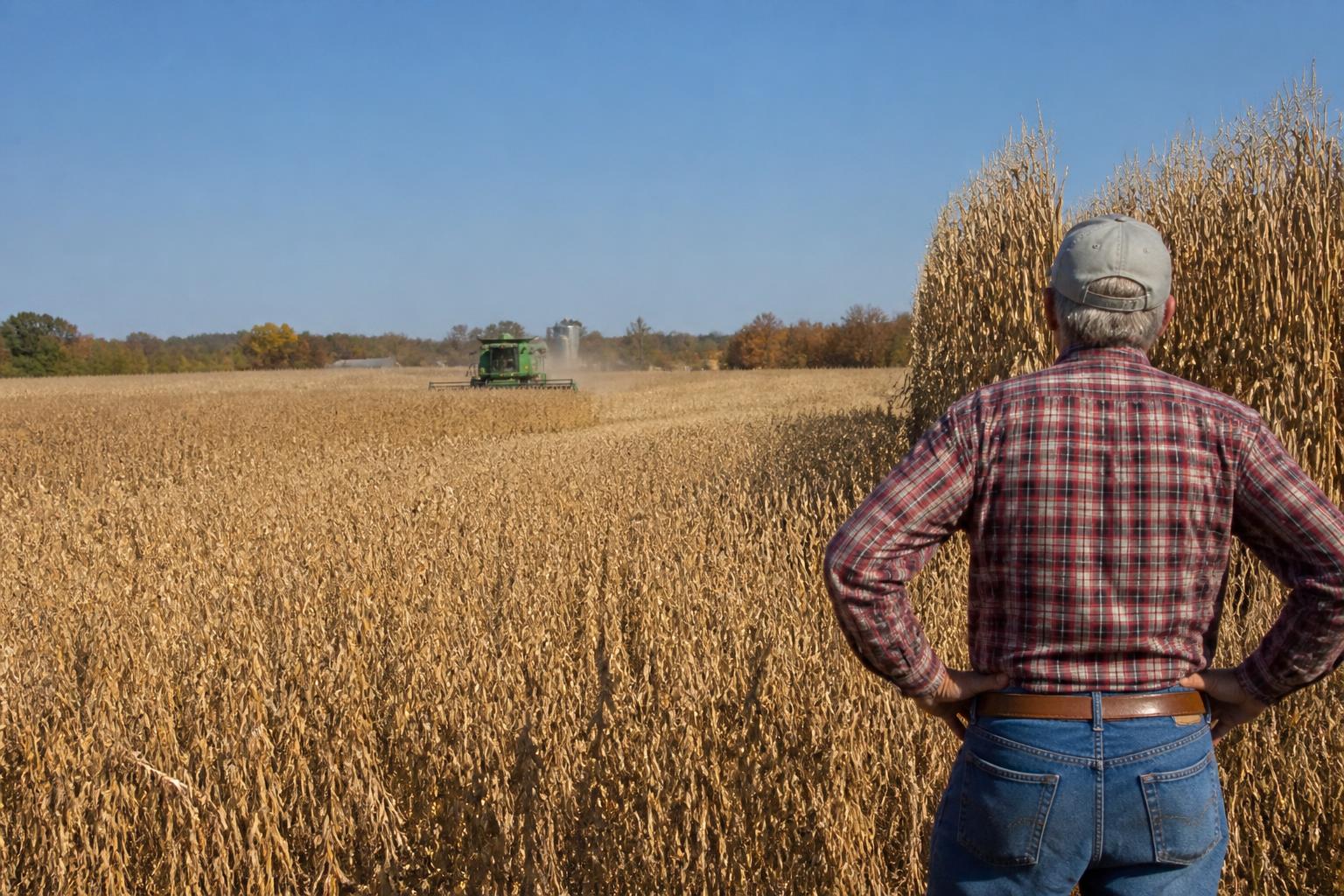
In Alaska, the shift into the fall season brings a distinct set of operational challenges for agricultural producers. As the window for harvesting narrows, managing input investments and protecting crop yields from unpredictable weather patterns remains a critical priority for local farms. Whether operating near the Matanuska Valley or in other key production pockets, producers often find that strategic timing of their field activities is the most effective form of defense against an early freeze.
Refining Input Strategies for Northern Climates
For many Alaskan growers, the focus has shifted toward refining how they manage soil health and pest control to maximize the limited growing season. As market demand for localized food security grows, adopting advanced protection strategies for Alaskan crops has become a prerequisite for viability. Producers are increasingly looking at how rotation and precise management of inputs can preserve soil integrity, ensuring that fields remain productive despite the environmental constraints of the far north.
Building Operational Resilience
Beyond the field, the broader agricultural landscape in Alaska is adapting to external pressures. Recent interest in regional infrastructure improvements, such as the potential for sustainable aviation fuel facilities, highlights the state's focus on securing vital cargo routes. For the farming community, these logistical developments are essential for maintaining a reliable flow of necessary inputs and moving seasonal products efficiently. Growers who prioritize operational resilience during the fall harvest are better positioned to navigate the supply chain fluctuations that can impact the bottom line.
What it means for the market
For Alaska's agribusinesses and producers, the current market climate underscores the importance of efficiency. By focusing on long-term protection of natural resources and staying responsive to logistical shifts in cargo transport, stakeholders can better insulate themselves against the volatility of the northern market. The focus remains on steady, incremental improvements to cultivation methods to ensure that Alaska continues to bolster its local food systems.
Comments
No comments yet - be the first to share your take.