
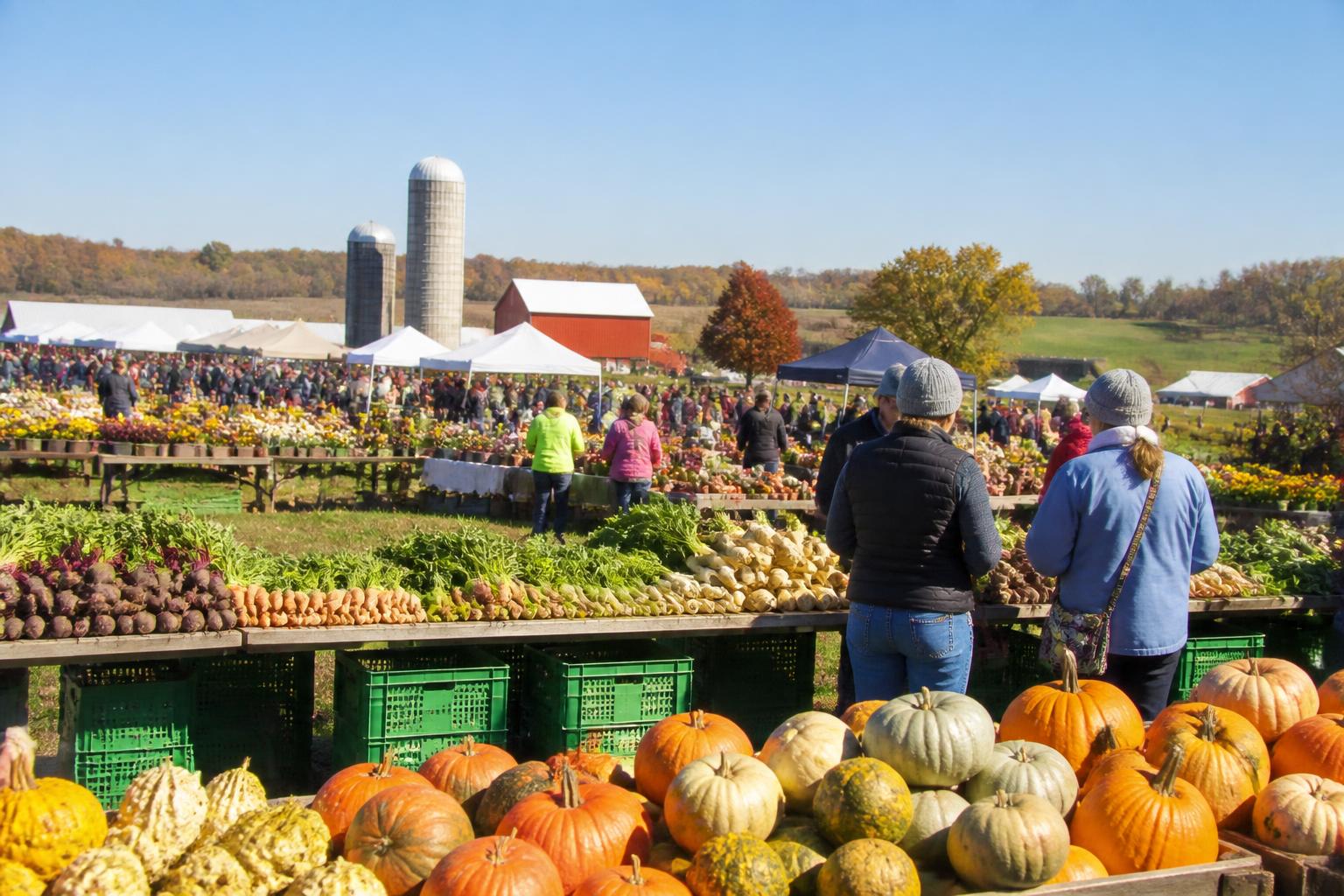
West Virginia agricultural producers are navigating a complex landscape this fall as localized market pressures and broader regulatory changes impact day-to-day operations. Whether managing diverse commodity outputs or adapting to new infrastructure requirements, regional operators are finding that staying informed on policy timelines is more critical than ever.
Regulatory and Support Updates
With the current season in full swing, agricultural businesses are advised to review the latest federal assistance deadlines, as these programs often provide essential, time-sensitive resources for local operations. Staying aligned with USDA announcements can help farmers better manage their bottom line, particularly when navigating the complexities of protecting farm assets and infrastructure during this busy transition period.
Adapting to Operational Trends
The state is seeing a diversification of income streams, with some producers increasingly leaning into agritourism and specialized product lines. While traditional sectors remain foundational, the emergence of large-scale investments—such as new poultry operations—has sparked community interest and debate regarding land use and regional sustainability. For operations balancing traditional production with modern investment, maintaining clear communication with local stakeholders and being diligent about operational safety remains paramount.
Market Outlook and Resilience
Logistical and operational consistency remains a primary goal for many West Virginia farms as we head toward the end of the year. From the resilience seen in localized farmers markets to the broader challenges faced by grain and livestock handlers, the ability to adapt to regional market volatility is a recurring theme. Understanding how these factors influence input strategies and overall profitability is essential for long-term farm health.
What it means for the market
For agribusinesses and producers in West Virginia, the focus remains on agility. By leveraging available federal support and maintaining a disciplined approach to input management and facility safety, operators are better positioned to weather seasonal challenges. Monitoring policy shifts and engaging with local market opportunities will be key to navigating the remainder of the fall season successfully.
Comments
No comments yet - be the first to share your take.