
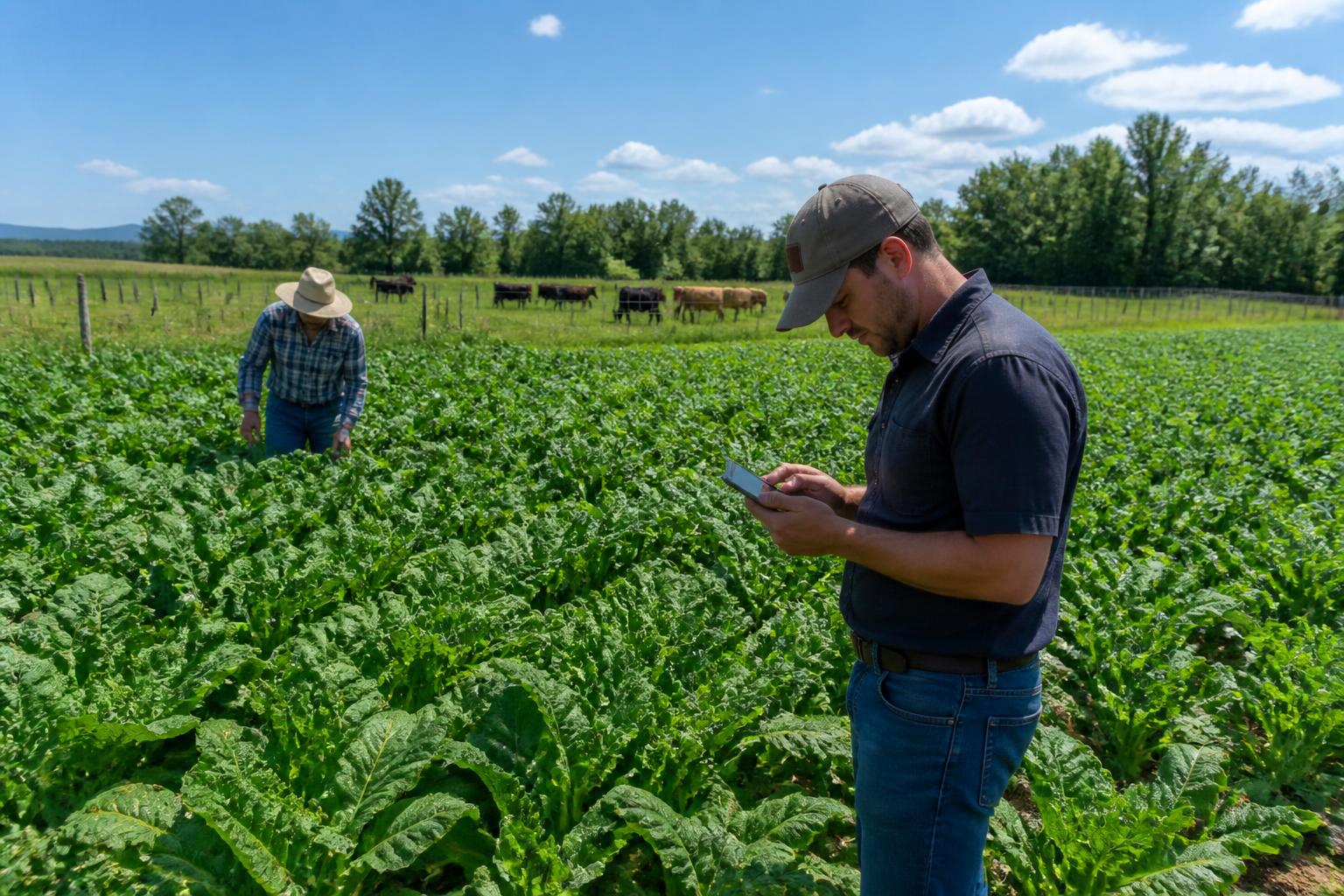
Maryland farmers are navigating a complex market environment this summer as fertilizer price volatility remains a persistent challenge. Producers across the Eastern Shore and throughout the state are closely monitoring global supply risks and rising operational costs that continue to strain agricultural budgets. The combination of unpredictable market pricing and broader economic pressures means that disciplined financial planning is becoming a necessity for many local agribusinesses as they look toward future planning cycles.
For those managing nutrient inputs, the focus is increasingly on precision and long-term soil stewardship. As optimizing summer fertilizer applications and soil health becomes central to maintaining both yields and environmental compliance, growers are looking for ways to maximize the effectiveness of every pound applied. This focus is particularly relevant in areas where land management impacts regional water quality, prompting a more data-driven approach to field input programs.
Adapting to Economic Realities
The current landscape is defined by tighter margins, requiring a cautious approach to seasonal spending. While global events can often cause price spikes in the broader fertilizer sector, local operators are prioritizing budget-conscious procurement to protect their bottom lines. This fiscal discipline often involves evaluating the timing of inputs and assessing how shifting land demands and logistics may affect the overall cost structure of the upcoming harvest and planting seasons.
Infrastructure and Resource Management
Beyond direct fertilizer purchasing, regional infrastructure remains a key point of consideration. Whether it is moving inputs to rural delivery points or managing animal waste-based nutrient solutions, efficient logistics are essential for keeping operations running smoothly. As farmers continue to evaluate local delivery trends and infrastructure shifts, they are finding that agility in transportation and material handling can offer a competitive edge during periods of market stress.
What it means for the market
Farmers should expect continued price fluctuation as global supply chain vulnerabilities persist. In this climate, diversifying procurement strategies and doubling down on soil-testing precision can help insulate local operations against sharp cost increases. Maintaining flexibility in seasonal planning and staying informed about regional logistical changes will be critical for maintaining profitability as the summer season progresses.
Comments
No comments yet - be the first to share your take.