
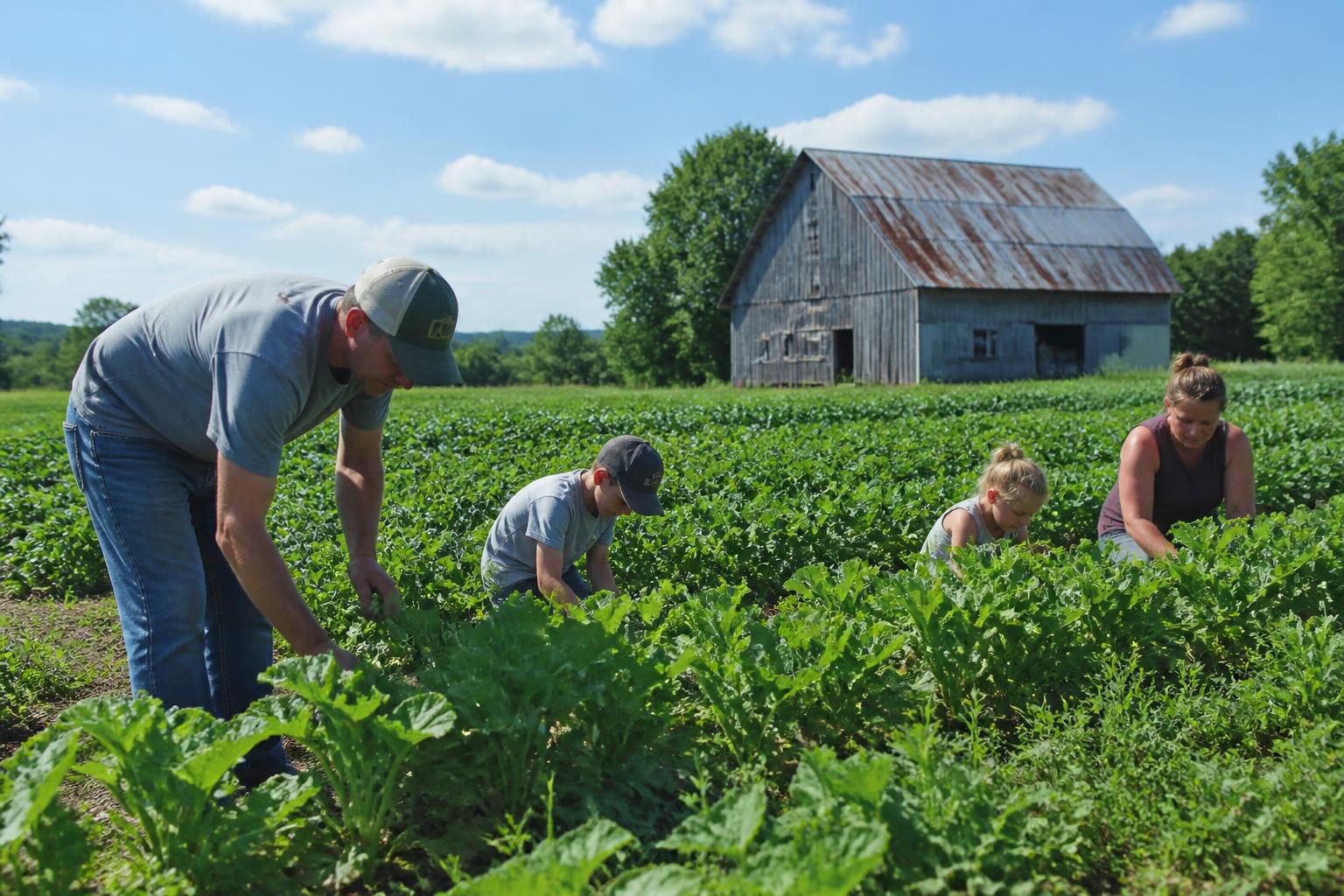
With the summer harvest season underway, local grain flows are adjusting to new ownership dynamics. The acquisition of three elevators by Mountaire introduces a major corporate player into localized delivery pipelines, forcing growers to re-evaluate their delivery strategies. This shift is particularly critical on the Eastern Shore, where trucking logistics have been highly sensitive to changes in storage capacity.
Consolidation and Logistics on the Delmarva Peninsula
As corporate entities expand their storage footprints, the physical movement of soft red winter wheat, corn, and soybeans across Maryland is adapting. The transition of elevator operations can lead to changes in local basis, moisture dockage rates, and queuing times at the scale house. This consolidation comes at a time when producers are already adjusting to regional logistical bottlenecks, such as those highlighted in the Maryland grain logistics shift following previous facility closures on the Eastern Shore.
Farming operations on the peninsula may find themselves hauling longer distances to reach competitive bids. Balancing trucking costs against elevator pricing structures is essential, especially when volatile summer fuel costs can erode thin margins. Checking current local bids through resources like the directory of grain buyers, sellers and prices in Maryland can help operators locate alternative delivery points when lines at consolidated facilities back up.
Preserving Agricultural Land Amid Economic Shifting
While the Eastern Shore wrestles with commercial storage logistics, Western Maryland counties are focusing on preserving the very land that feeds these elevators. In Washington County, local programs recently preserved over 100 acres of working farmland through agricultural easements. This preservation effort highlights a regional commitment to keeping prime soils in production rather than letting them yield to suburban development pressures.
Similarly, Frederick and Harford counties continue to balance the old agricultural economy with new commercial and residential development. Local grain producers in these transition zones face the unique challenge of farming in highly populated areas, which complicates machinery transport and increases the value of nearby delivery options. Sustaining local infrastructure, from equipment dealerships to regional grain terminals, remains vital for these transition counties.
Summer Operations: Safe Storage and Seed Warnings
With summer grain bin cleanouts and early harvests in full swing, safety advocates are urging extreme caution around grain storage facilities. Moving grain presents severe engulfment and mechanical hazards, making pre-harvest bin maintenance and safety protocols a top priority for farm managers. These precautions are especially critical during busy harvest periods, such as when producers are wrapping up field activities following any Maryland wheat harvest rain delays.
Additionally, state and federal officials have renewed warnings regarding biosecurity risks, specifically cautioning Maryland and Virginia residents about unsolicited packages of mystery seeds arriving in the mail. Farmers are urged not to plant these seeds, as they could introduce invasive weeds or crop diseases that threaten local grain yields.
What it means for the market
The acquisition of Delmarva grain elevators by Mountaire reinforces the ongoing trend of agricultural consolidation, meaning Maryland growers must prioritize marketing flexibility and hauling efficiency. While land preservation programs in counties like Washington County help protect the physical production base, the commercial viability of Maryland grain farming will increasingly rely on optimizing transport logistics, maintaining on-farm safety, and securing diverse buyer relationships to navigate changing elevator networks.
Comments
No comments yet - be the first to share your take.