
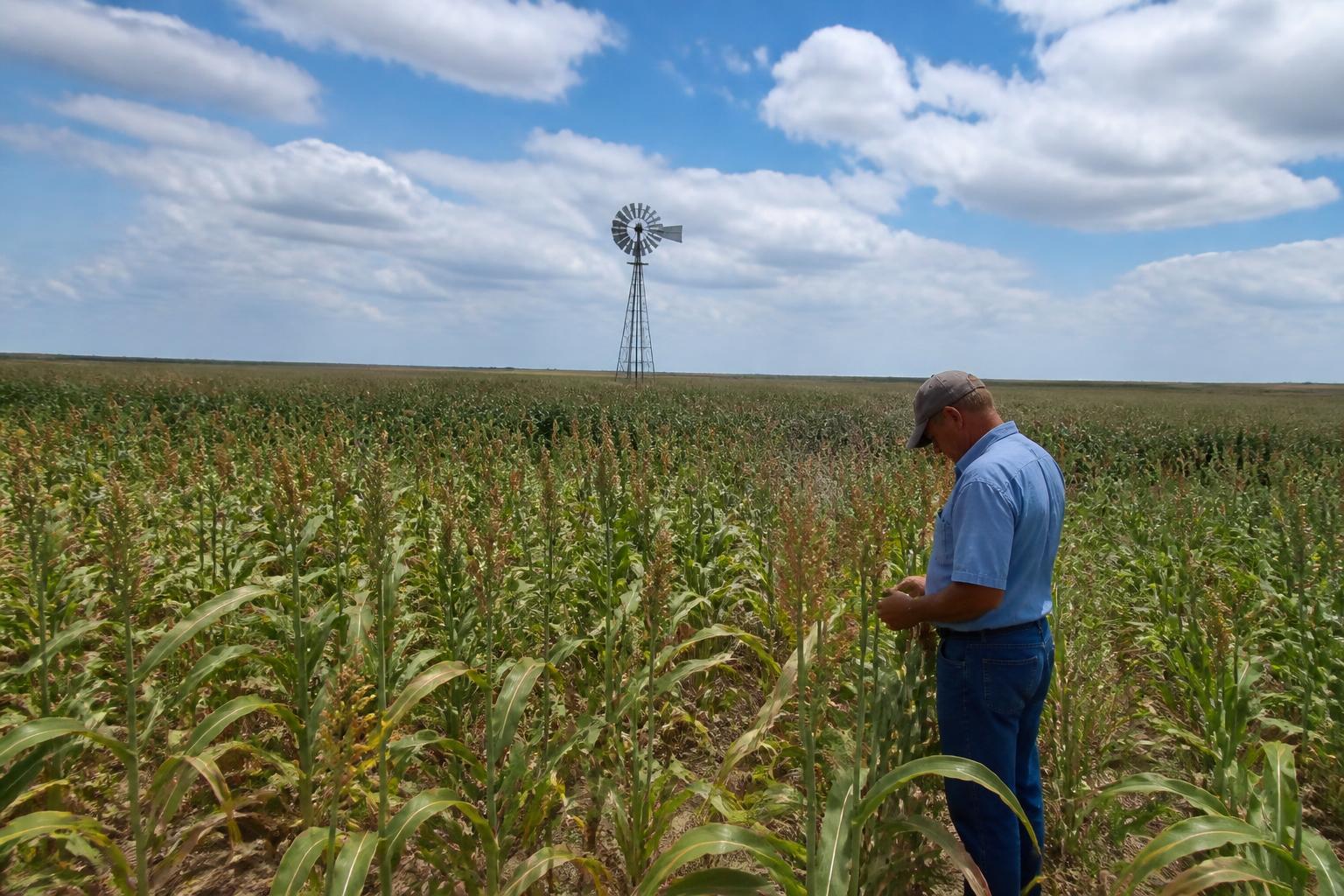
Texas agriculture is currently navigating a complex period defined by the typical intensity of summer, where producers are managing the dual pressures of unpredictable moisture levels and the logistical demands of a busy growing season. Across the Texas Plains and into major growing corridors, the balance between localized drought conditions and beneficial rainfall continues to dictate local crop outlooks. For grain handlers and agribusinesses, this variability translates into shifting supply expectations and the need for proactive inventory management.
Efficiency in supply chain coordination remains a critical theme for those moving grain through the state's interior corridors. As regional elevators prepare for incoming volumes, understanding current infrastructure constraints and transport availability can help mitigate potential bottlenecks. The ability to pivot based on real-time transit conditions is often the deciding factor in maintaining operational margins during these peak periods.
Managing Seasonal Crop Volatility
For many Texas producers, the current season serves as a reminder of how quickly conditions can change. Crop health, particularly for sorghum, often hangs in the balance of a single timely rain event, underscoring the importance of monitoring regional weather reports for both input procurement and harvest planning. Growers are increasingly turning to data-driven decision-making to address evolving seasonal risks that impact their bottom line.
Infrastructure and Regional Readiness
State-wide logistics rely heavily on the consistent performance of rail and trucking networks. In regions where storage capacity may be pressured by fluctuations in output, keeping close ties with regional elevators is essential. Ensuring that transport partners are aligned with harvest timelines can prevent the compounding costs often associated with delayed pick-ups or facility congestion.
What it means for the market
For grain market participants, the current environment demands agility. While weather patterns continue to create mixed signals regarding yields, the primary focus for the short term remains on logistical preparedness. Producers and agribusinesses should prioritize strong communication with their carriers and local storage partners to navigate the remaining summer weeks effectively, ensuring that both risk management strategies and operational flow remain on track as we move toward the next stages of the harvest cycle.
Comments
No comments yet - be the first to share your take.